Greek Revival Vs Italianate
When exploring the rich tapestry of 19th-century architecture, two styles often come into focus Greek Revival and Italianate. Both became prominent in the United States during the 1800s, shaping the aesthetic of towns and cities while reflecting broader cultural and social trends. These architectural styles, while sharing a period of popularity, differ significantly in their design principles, materials, and decorative details. Understanding the distinctions between Greek Revival and Italianate architecture not only provides insight into historical building practices but also helps homeowners, historians, and enthusiasts appreciate the nuances of architectural evolution. From columned facades to decorative brackets, each style carries a distinct visual language and cultural resonance.
Origins and Historical Context
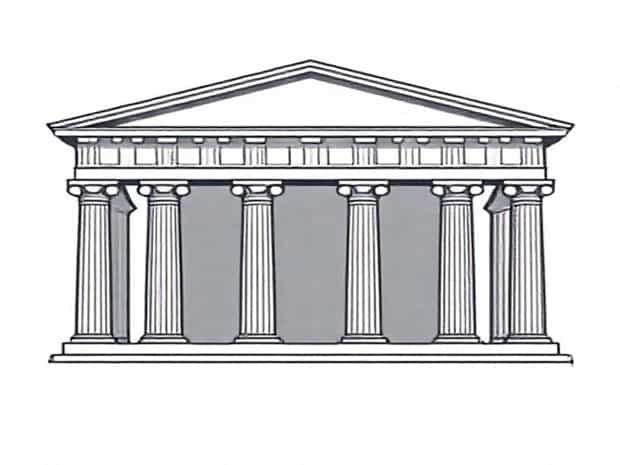
Greek Revival architecture emerged in the early 19th century, influenced by a fascination with ancient Greece and its democratic ideals. As the young United States sought symbols of stability and cultural legitimacy, architects turned to classical Greek temples for inspiration. The style emphasized symmetry, proportion, and the use of columns reminiscent of Doric, Ionic, or Corinthian orders. It became a preferred choice for public buildings, banks, and residences, symbolizing democracy, civic virtue, and enlightenment ideals.
Italianate architecture, in contrast, originated in England as part of the Picturesque movement and gained popularity in the U.S. in the mid-19th century. Inspired by the informal farmhouses and villas of the Italian countryside, this style favored asymmetry, ornate detailing, and a romantic, picturesque aesthetic. Italianate buildings often featured low-pitched or flat roofs, wide eaves with decorative brackets, and tall, narrow windows. The style became popular for urban townhouses, suburban homes, and commercial buildings, offering a sense of sophistication and European charm.
Key Characteristics of Greek Revival Architecture
- Symmetrical facades and balanced proportions.
- Prominent columns supporting pediments, echoing Greek temples.
- Use of painted white exteriors to mimic marble.
- Simple, geometric ornamentation focused on classical motifs.
- Rectangular floor plans with centered entrances.
Key Characteristics of Italianate Architecture
- Asymmetrical layouts with an emphasis on visual variety.
- Low-pitched or flat roofs with wide, overhanging eaves.
- Decorative brackets under eaves and cornices.
- Tall, narrow windows often crowned with elaborate hoods or arches.
- Porches, cupolas, and towers that add vertical emphasis and ornamentation.
Design Elements and Materials
Greek Revival buildings were often constructed using wood, brick, or stone, with wood frequently painted to simulate stone or marble. The style’s hallmark was the use of classical columns, typically supporting a triangular pediment. Windows were generally double-hung with simple surrounds, and decorative elements were restrained, focusing on symmetry and proportion rather than elaborate ornamentation. Interior spaces also reflected classical principles, with orderly layouts, high ceilings, and minimal decorative flourishes.
Italianate architecture embraced more variety in materials, including brick, stone, stucco, and wood. Facades were richly decorated with moldings, brackets, and cornices, creating a layered, textured appearance. Rooflines were often adorned with cupolas or belvederes, and windows featured arched or curved tops, sometimes with decorative crowns. Interiors emphasized ornate detailing, such as intricate plasterwork, wood paneling, and elaborate staircases. This focus on decorative richness made Italianate structures stand out as visually dynamic and expressive.
Public vs. Residential Applications
Greek Revival architecture was widely used for public and institutional buildings, including courthouses, banks, schools, and government offices. Its classical inspiration conveyed stability, order, and authority, aligning with civic ideals. Residential Greek Revival homes were often straightforward in design, with columned porches and rectangular plans that reflected classical harmony. The style was particularly popular in the northeastern United States and the South, where it became a symbol of cultural refinement and permanence.
Italianate architecture, while also used for public buildings, became especially prevalent in residential applications. Townhouses in urban settings and country villas adopted Italianate features to convey elegance and sophistication. Commercial buildings in growing cities also embraced the style, using decorative cornices and tall windows to attract attention and display prosperity. The flexibility of the Italianate style allowed for customization, enabling architects and homeowners to incorporate personal tastes while maintaining the overall aesthetic.
Regional Popularity
Greek Revival architecture dominated from roughly 1820 to 1860, especially in the eastern and southern United States. Its prevalence was tied to cultural admiration for classical Greece and the desire to express democratic ideals through architecture. Italianate architecture rose to prominence later, peaking between 1840 and 1885. It was widely adopted in both urban and rural areas, offering a visually rich alternative to the more restrained classical forms of Greek Revival. The Italianate style’s adaptability allowed it to flourish across a range of climates and urban densities, from city streets to pastoral landscapes.
Comparing Visual Impressions
Greek Revival buildings convey a sense of order, symmetry, and gravitas. The classical columns and pediments create a stately, imposing impression, with minimal decorative flourishes emphasizing clarity and proportion. Walking past a Greek Revival home or public building, one immediately senses its connection to classical antiquity and ideals of civic virtue.
Italianate structures, by contrast, offer visual richness and complexity. The decorative brackets, varied rooflines, and tall, arched windows create a lively, dynamic appearance. Italianate buildings often feel more playful and romantic, capturing the essence of European villas while allowing for creative expression. This contrast in visual language reflects broader cultural differences between the austere admiration of classical Greece and the picturesque, ornamental sensibilities inspired by Italian countryside architecture.
Preservation and Modern Relevance
Both Greek Revival and Italianate buildings have experienced efforts at preservation due to their historical and architectural significance. Greek Revival structures are often valued for their representation of early American civic and residential ideals, while Italianate buildings are celebrated for their ornate craftsmanship and aesthetic appeal. Restoring and maintaining these buildings requires careful attention to materials, proportions, and decorative details, ensuring that contemporary renovations respect the original architectural intent. Preservation efforts contribute to cultural heritage, offering insight into the tastes, values, and craftsmanship of the 19th century.
Greek Revival and Italianate architecture each represent distinct approaches to design, decoration, and cultural expression. Greek Revival emphasizes classical order, symmetry, and a sense of civic virtue, while Italianate architecture celebrates ornamentation, asymmetry, and romantic charm. Understanding these differences allows historians, architects, and enthusiasts to appreciate the diversity of 19th-century architectural trends and the historical contexts that shaped them. From the stately columns of Greek Revival to the decorative brackets and cupolas of Italianate homes, both styles continue to influence modern architecture and inspire preservation efforts, ensuring that their distinctive visual languages remain part of the built environment for generations to come.