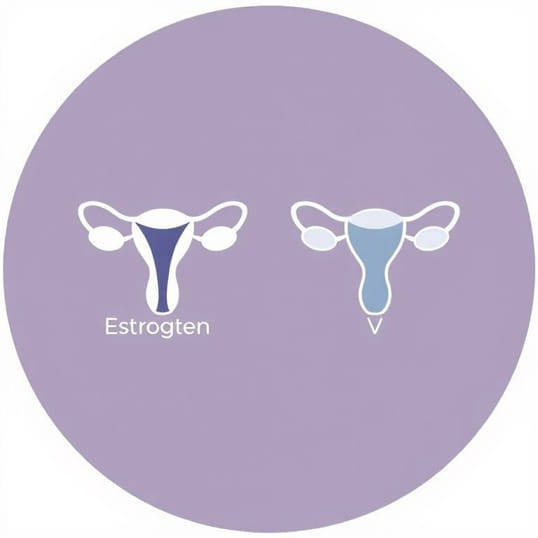
Function Of Estrogen And Progesterone
Estrogen and progesterone are two of the most important hormones in the human body, particularly for female reproductive health. These hormones regulate a wide range of physiological processes, from the menstrual cycle and pregnancy to bone health and cardiovascular function. Their functions extend beyond reproduction, affecting mood, metabolism, and overall well-being. Understanding how estrogen and progesterone work individually and in tandem is essential for appreciating the complex hormonal balance that supports female health. Imbalances in these hormones can lead to various medical conditions, emphasizing the critical role they play in maintaining homeostasis.
Overview of Estrogen
Estrogen is a primary female sex hormone produced mainly by the ovaries, though smaller amounts are also secreted by the adrenal glands and fat tissue. It plays a central role in the development and maintenance of female reproductive structures and secondary sexual characteristics. Estrogen exists in several forms, including estradiol, estrone, and estriol, each with unique functions and effects on the body.
Functions of Estrogen
- Regulation of the Menstrual CycleEstrogen helps control the growth of the uterine lining during the first half of the menstrual cycle, preparing the uterus for potential pregnancy.
- Development of Secondary Sexual CharacteristicsIt promotes the development of breasts, widening of hips, and distribution of body fat typical in females.
- Bone HealthEstrogen helps maintain bone density by regulating the activity of osteoblasts and osteoclasts, reducing the risk of osteoporosis.
- Cardiovascular HealthIt supports healthy cholesterol levels and promotes vascular flexibility, lowering the risk of heart disease.
- Mood and Cognitive FunctionEstrogen influences neurotransmitters such as serotonin and dopamine, impacting mood, memory, and cognitive performance.
Overview of Progesterone
Progesterone is another key female hormone, produced mainly by the corpus luteum in the ovaries following ovulation and by the placenta during pregnancy. It works closely with estrogen to regulate reproductive processes and prepare the body for conception and gestation. Progesterone also affects other bodily systems, including the brain, bones, and cardiovascular system.
Functions of Progesterone
- Preparation for PregnancyProgesterone thickens the uterine lining after ovulation, creating an optimal environment for embryo implantation.
- Maintenance of PregnancyDuring pregnancy, progesterone prevents uterine contractions, supports placental function, and modulates the immune system to protect the developing fetus.
- Regulation of Menstrual CycleProgesterone levels drop if pregnancy does not occur, triggering menstruation and the shedding of the uterine lining.
- Breast DevelopmentProgesterone contributes to the growth of mammary glands in preparation for breastfeeding.
- Neurological and Mood EffectsProgesterone has calming effects on the brain and can influence mood, sleep patterns, and stress responses.
How Estrogen and Progesterone Work Together
While estrogen and progesterone have individual functions, their interplay is essential for reproductive health and overall hormonal balance. They operate in a cyclical manner, with fluctuating levels throughout the menstrual cycle to coordinate ovulation, uterine preparation, and menstruation. Estrogen dominates the first half of the cycle, stimulating growth of the uterine lining, while progesterone takes over in the second half to stabilize and prepare the endometrium for potential pregnancy.
Synergistic Effects
- Menstrual Cycle CoordinationEstrogen stimulates endometrial growth, and progesterone ensures it remains suitable for implantation.
- Fertility SupportBalanced levels of both hormones are critical for ovulation, conception, and successful pregnancy.
- Mood and Cognitive StabilityThe combination of estrogen and progesterone influences brain chemistry, helping regulate emotions and cognitive function.
- Bone and Cardiovascular HealthTogether, they enhance bone density and cardiovascular function, reducing risks associated with aging.
Effects of Imbalance
Disruptions in estrogen and progesterone levels can lead to various health issues. Excess estrogen relative to progesterone, known as estrogen dominance, can cause irregular menstrual cycles, bloating, mood swings, and increased risk of endometrial hyperplasia. Low estrogen levels, often occurring during menopause, can result in hot flashes, vaginal dryness, decreased bone density, and higher cardiovascular risk. Similarly, insufficient progesterone may lead to luteal phase defects, infertility, and early miscarriage. Maintaining hormonal balance is therefore critical for reproductive, physical, and emotional health.
Common Symptoms of Imbalance
- Irregular or heavy menstrual periods
- Mood swings, anxiety, or depression
- Hot flashes and night sweats
- Decreased libido or sexual dysfunction
- Fatigue and sleep disturbances
Role in Pregnancy
During pregnancy, estrogen and progesterone levels rise significantly to support the developing fetus. Estrogen promotes uterine growth, enhances blood flow, and prepares the breasts for lactation. Progesterone stabilizes the uterine lining, suppresses contractions, and modulates the immune system to prevent rejection of the fetus. Together, these hormones ensure a safe and supportive environment for fetal development.
Pregnancy Support Functions
- Prevention of uterine contractions to reduce the risk of premature labor
- Stimulation of placental growth and nutrient transfer
- Promotion of breast tissue development for breastfeeding
- Regulation of maternal metabolism and fluid balance
Impact Beyond Reproduction
Although estrogen and progesterone are closely linked to reproductive health, their influence extends to other aspects of physiology. Both hormones play roles in maintaining healthy skin, regulating weight, supporting brain function, and protecting the cardiovascular system. Estrogen’s antioxidant properties help prevent cellular damage, while progesterone’s neuroprotective effects contribute to cognitive health. Understanding these broader functions highlights the importance of hormonal balance for overall well-being.
Additional Health Benefits
- Estrogen supports healthy cholesterol levels and vascular elasticity
- Progesterone contributes to sleep quality and stress management
- Both hormones aid in maintaining bone strength and preventing osteoporosis
- Influence on metabolism and fat distribution impacts energy balance and weight management
Estrogen and progesterone are vital hormones with complementary roles in reproductive health and beyond. They regulate the menstrual cycle, support pregnancy, influence mood, and maintain bone and cardiovascular health. Proper balance between these hormones is essential for overall well-being, and disruptions can lead to a range of physical and emotional health challenges. By understanding the functions of estrogen and progesterone, individuals and healthcare providers can better manage hormonal health, address imbalances, and promote long-term wellness. Their wide-ranging effects demonstrate that these hormones are not only central to reproduction but are also critical for general physiological stability and quality of life.