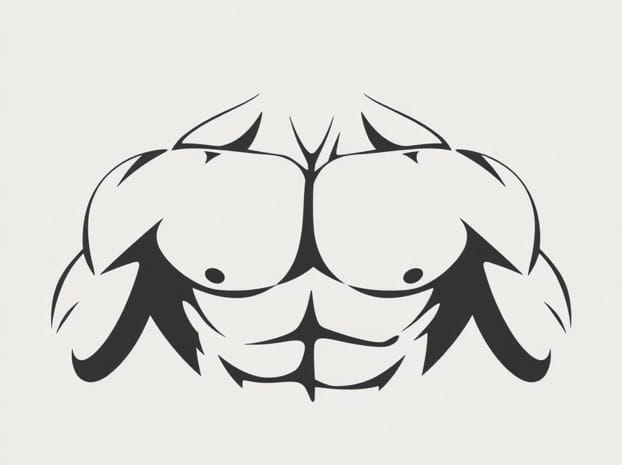
Front Delts Overpowering Chest
Many fitness enthusiasts experience the common issue of the front delts overpowering the chest during workouts. This problem happens when the shoulders take over pushing movements, leaving the chest muscles underdeveloped. As a result, the chest may appear flat while the shoulders grow disproportionately larger. Understanding why this happens and how to correct it is essential for building a balanced, aesthetic upper body. With the right training techniques, exercise modifications, and proper form, you can shift the focus back to your chest and develop better muscle symmetry.
Why the Front Delts Take Over
The front deltoids are heavily involved in many pushing exercises such as bench press, push-ups, and overhead press. If your form or muscle activation patterns are off, the shoulders can dominate these movements. Over time, this creates an imbalance where the chest lags behind while the front delts become overly developed.
Common Causes of Front Delt Dominance
- Poor mind-muscle connection with the chest
- Excessive use of shoulders in pressing movements
- Improper bench angles and grip width
- Lack of isolation chest exercises in training
- Tight shoulders and weak back muscles pulling posture forward
How to Recognize the Imbalance
You may notice the front delts overpowering the chest if your shoulders fatigue before your pecs during pressing exercises. Another sign is that your chest looks less defined compared to the rounded appearance of your shoulders. If you struggle to feel your chest working during bench press or push-ups, chances are your shoulders are taking over more than they should.
Improving Chest Activation
Fixing this imbalance requires conscious effort to activate the chest first and reduce shoulder dominance. Small changes in setup and execution can make a huge difference in muscle recruitment.
Focus on the Mind-Muscle Connection
Before each pressing set, take a moment to visualize your chest contracting. Slow down your reps and squeeze the pecs at the top of the movement. This mental cue helps redirect tension away from the front delts.
Adjust Your Bench Press Technique
- Retract and depress your shoulder blades to create a stable base.
- Use a grip slightly wider than shoulder-width to emphasize chest engagement.
- Lower the bar toward your mid-chest rather than your shoulders.
- Keep your elbows at about a 45-degree angle instead of flaring them out.
Exercises That Emphasize the Chest
While compound pressing exercises are valuable, adding isolation work ensures that the chest develops properly. The following exercises help reduce front delt involvement and maximize chest activation
Chest Fly Variations
Whether using dumbbells, cables, or machines, fly movements stretch and contract the chest directly. Keep a slight bend in your elbows and focus on bringing your hands together with chest tension, not shoulder drive.
Incline Dumbbell Press
This targets the upper chest more effectively while limiting shoulder dominance compared to a flat bench barbell press. Using dumbbells allows for a deeper range of motion and better control.
Dips for Chest
By leaning forward during dips, you shift the emphasis toward the chest rather than the triceps or shoulders. Keep your chest out and lower under control for maximum benefit.
Push-Ups with Chest Focus
Widen your hand placement slightly and keep your torso leaning forward. Pause at the bottom and drive through your chest as you push up.
Correcting Posture and Muscle Balance
Sometimes the issue of the front delts overpowering the chest is linked to poor posture and weak supporting muscles. Strengthening the back, improving flexibility, and keeping a balanced routine are crucial.
Strengthen the Upper Back
- Face pulls for rear delts and traps
- Rows with strict form
- Reverse fly movements
A stronger back helps stabilize the shoulders and reduces reliance on the front delts during pressing exercises.
Stretch the Shoulders and Chest
Tight shoulders can cause you to hunch forward, making it harder to engage the chest. Incorporate regular stretches for the chest and front delts to improve mobility and posture. This allows for a better pressing position and reduces strain on the shoulders.
Training Strategies for Better Chest Development
Balancing your training program is key to overcoming this issue. By adjusting volume, exercise selection, and recovery, you can help the chest catch up while preventing further shoulder dominance.
Prioritize Chest at the Start of Workouts
When your energy is highest, begin with chest-focused exercises instead of heavy shoulder or triceps work. This ensures the pecs receive maximum effort before fatigue sets in.
Reduce Front Delt Work Temporarily
If your shoulders are already overdeveloped, limit direct front delt exercises like overhead presses for a period. Instead, dedicate that energy toward chest development and rear delt strengthening.
Use Tempo and Pauses
Slowing down your reps, especially during the eccentric (lowering) phase, forces the chest to work harder. Adding a pause at the bottom of presses or flys also improves activation and control.
Sample Chest-Focused Workout
Here’s an example routine that helps balance chest and shoulder involvement
- Incline Dumbbell Press – 4 sets of 8-10 reps
- Flat Dumbbell Fly – 3 sets of 10-12 reps
- Weighted Dips (leaning forward) – 3 sets of 8-10 reps
- Push-Ups with slow tempo – 3 sets to failure
- Face Pulls – 4 sets of 12-15 reps
Long-Term Results and Expectations
Correcting the problem of front delts overpowering the chest will not happen overnight. It takes consistent focus on technique, exercise selection, and posture correction. With time, the chest will begin to respond and grow, creating a more balanced, aesthetic physique. Patience and persistence are essential for lasting results.
When the front delts overshadow the chest, it can limit both strength and aesthetics. By improving mind-muscle connection, refining technique, incorporating isolation work, and balancing overall training, you can shift the emphasis back to the chest. Addressing posture and muscular imbalances further enhances results. With dedication, your chest can finally develop in proportion to your shoulders, giving you the balanced upper body you’re aiming for.
2/2