Explain The Functions Of The Cerebellum
The human brain is a marvel of complexity, consisting of multiple regions that work in concert to regulate bodily functions, cognitive abilities, and motor skills. Among these regions, the cerebellum stands out for its critical role in coordinating movement, maintaining balance, and fine-tuning motor activities. Although it constitutes only about 10% of the brain’s volume, the cerebellum contains more than half of the neurons in the entire brain, highlighting its importance. Understanding the functions of the cerebellum is essential for appreciating how the brain orchestrates smooth and precise body movements, integrates sensory information, and contributes to overall motor learning.
Anatomical Overview of the Cerebellum
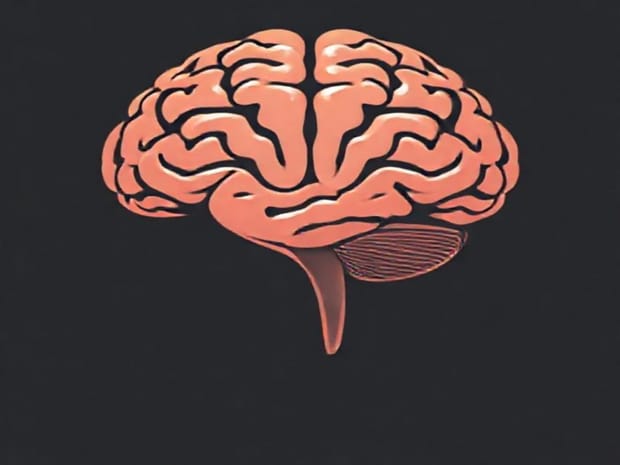
The cerebellum is located at the back of the brain, beneath the occipital lobes and behind the brainstem. Structurally, it is divided into two hemispheres and contains three main lobes the anterior lobe, posterior lobe, and flocculonodular lobe. These lobes are interconnected and communicate with other parts of the brain through three paired cerebellar peduncles. The cerebellum receives input from the spinal cord, sensory systems, and other brain regions to monitor body position and motion continuously. Its highly folded surface increases the surface area for neural connections, allowing complex processing of motor and sensory signals.
Primary Functions of the Cerebellum
The cerebellum is primarily responsible for coordinating voluntary movements, maintaining posture and balance, and supporting motor learning. Its functions can be categorized into several key areas
Coordination of Voluntary Movements
One of the most well-known functions of the cerebellum is coordinating voluntary movements. While the motor cortex initiates movement, the cerebellum refines and adjusts it to ensure smooth and precise execution. By integrating information from the muscles, joints, and sensory receptors, the cerebellum can modulate the force, speed, and trajectory of movement. This coordination is essential for activities such as walking, running, writing, or playing musical instruments. Without proper cerebellar function, movements become unsteady, clumsy, and poorly timed, a condition known as ataxia.
Maintenance of Balance and Posture
The cerebellum plays a vital role in maintaining balance and posture by constantly monitoring the position of the body in space. It receives sensory input from the vestibular system of the inner ear, which provides information about head movement and orientation. Using this input, the cerebellum adjusts muscle tone and coordinates reflexes to maintain equilibrium. This function is particularly important during activities that challenge stability, such as standing on one foot, walking on uneven surfaces, or performing athletic movements.
Motor Learning and Adaptation
In addition to coordinating immediate movements, the cerebellum is crucial for motor learning, which involves acquiring new skills and adapting movements over time. Through repeated practice, the cerebellum helps the body develop muscle memory, allowing complex tasks to be performed automatically and with minimal conscious effort. For example, learning to ride a bicycle or type on a keyboard relies heavily on cerebellar function. It adjusts motor patterns based on feedback from previous attempts, ensuring that movements become more efficient and accurate over time.
Integration of Sensory Information
The cerebellum integrates sensory input from various sources to inform motor output. Proprioceptive signals from muscles and joints, visual information from the eyes, and vestibular signals from the inner ear all converge in the cerebellum. By processing this data, the cerebellum can anticipate the consequences of movements and make fine-tuned adjustments. This sensory integration allows the body to respond quickly to environmental changes, such as maintaining balance on a moving bus or adjusting hand movements while catching a ball.
Cognitive and Emotional Functions
Although traditionally associated with motor control, recent research has revealed that the cerebellum also contributes to cognitive and emotional processes. It has connections to the prefrontal cortex and limbic system, which are involved in planning, attention, and emotional regulation. Studies suggest that cerebellar dysfunction can affect executive functions, language processing, and emotional responses. While these roles are less well-understood than motor functions, they highlight the cerebellum’s broader significance beyond movement coordination.
Clinical Significance of Cerebellar Function
Proper functioning of the cerebellum is essential for daily activities, and damage to this brain region can lead to a variety of disorders. Cerebellar ataxia is characterized by uncoordinated movements, difficulty walking, and tremors. Patients may also experience dysmetria, which is the inability to judge distance or scale of movement, and dysdiadochokinesia, which is the inability to perform rapid alternating movements. Understanding cerebellar functions helps medical professionals diagnose and treat such conditions effectively, improving patient outcomes through targeted therapies and rehabilitation.
Role in Rehabilitation
Rehabilitation strategies for cerebellar dysfunction often focus on retraining motor skills and improving balance. Physical therapy exercises aim to enhance coordination, strengthen muscles, and promote neural plasticity in the cerebellum. Additionally, balance training, repetitive practice, and task-specific exercises can help compensate for deficits and restore functional mobility. Research into cerebellar plasticity continues to offer promising insights into recovery strategies for individuals with cerebellar injuries.
The cerebellum is a critical component of the human brain, responsible for coordinating voluntary movements, maintaining balance and posture, supporting motor learning, and integrating sensory information. Beyond these primary motor functions, the cerebellum also plays a role in cognitive and emotional processes, illustrating its wide-ranging influence on human behavior and physiology. Understanding the functions of the cerebellum is essential for appreciating how the brain orchestrates complex movements, responds to environmental stimuli, and adapts to new motor challenges. Clinical insights into cerebellar function further highlight its importance, as damage to this area can profoundly impact coordination, balance, and overall quality of life. By studying the cerebellum, scientists and healthcare professionals continue to uncover the intricate mechanisms that allow humans to move with precision, adapt to changing conditions, and perform both simple and complex tasks efficiently.