Explain Japan’S Physiography And How It Causes Limitations
Japan is an island nation in East Asia with a unique and complex physiography that has played a significant role in shaping its population distribution, economic activities, and overall development. Its geography consists of rugged mountains, narrow coastal plains, and an extensive coastline, which create both opportunities and limitations for human settlement and infrastructure. Understanding Japan’s physiography is crucial to grasp how natural features influence urban planning, agriculture, transportation, and disaster management. The physical landscape has shaped the country’s history, culture, and economic strategies over centuries, highlighting the intricate relationship between environment and human adaptation.
Overview of Japan’s Physiography
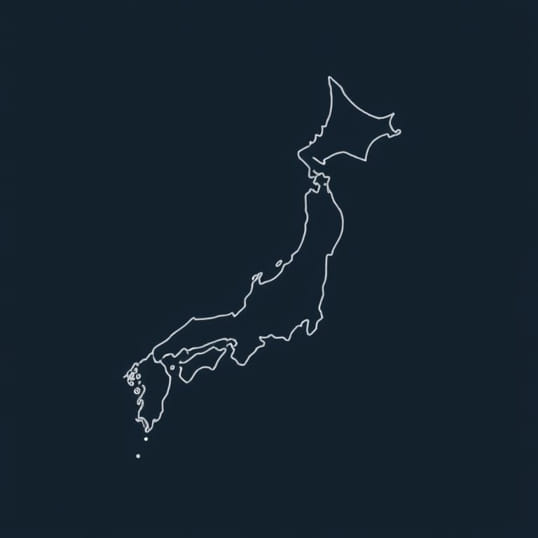
Japan comprises four main islands Honshu, Hokkaido, Kyushu, and Shikoku along with numerous smaller islands. These islands are the result of tectonic activity and volcanic processes along the Pacific Ring of Fire. The country is characterized by mountainous terrain, active volcanoes, and frequent earthquakes. Approximately 73% of Japan’s land area is mountainous, leaving limited flat land for urban development and agriculture. The extensive coastline provides fishing opportunities and trade routes but also exposes the country to typhoons and tsunamis.
Mountainous Terrain
The mountains of Japan dominate the landscape, with ranges such as the Japanese Alps in Honshu and volcanic chains in Kyushu and Hokkaido. These mountains affect climate, agriculture, and transportation. Steep slopes limit arable land, making rice terraces and other forms of intensive agriculture necessary. Mountainous regions also act as natural barriers, influencing the distribution of cities and roads, often leading to densely populated plains and coastal areas.
Volcanoes and Tectonic Activity
Japan lies on the convergence of four tectonic plates the Pacific, Philippine Sea, Eurasian, and North American plates. This results in frequent seismic activity, including earthquakes and volcanic eruptions. Active volcanoes, such as Mount Fuji and Mount Aso, contribute to fertile soils in surrounding regions but also pose risks to settlements and agriculture. The constant tectonic activity shapes Japan’s physiography, creating both hazards and fertile zones for farming.
Coastal Plains and Limited Arable Land
Although Japan is mountainous, narrow coastal plains provide the main areas for agriculture, settlement, and industrial activities. Major cities such as Tokyo, Osaka, and Nagoya are located on these plains. Coastal plains allow for easier construction, transportation, and infrastructure development, but they occupy only a small portion of Japan’s total land area. This limited availability of flat land increases competition for space and often results in high population density and expensive real estate.
River Valleys
Japan’s rivers, such as the Shinano and Tone, flow from mountains to the sea, forming fertile valleys. These river valleys are crucial for agriculture, particularly rice cultivation, which requires flat, irrigated land. However, rivers also present challenges, as they can flood during heavy rainfall and typhoons, threatening settlements and crops.
Islands and Coastal Features
Japan’s island geography affects climate, marine resources, and transportation. The irregular coastline, dotted with bays and peninsulas, facilitates ports and harbors but makes infrastructure construction more complex. The proximity to the ocean moderates temperatures but also exposes the country to typhoons and sea-level rise. Small islands and narrow coastal areas further restrict the space available for agriculture and urban expansion.
Climate and Its Implications
Japan’s physiography interacts with climate to create specific limitations for human activities. The country experiences a humid continental and humid subtropical climate, influenced by monsoons and ocean currents. Mountain ranges affect precipitation patterns, leading to heavy rainfall on windward slopes and drier conditions on leeward sides. This variation impacts agriculture and water management, as well as the risk of landslides and flooding.
Typhoons and Natural Disasters
Japan’s coastal location and physiography make it vulnerable to typhoons, earthquakes, and tsunamis. Mountainous regions can amplify the impact of rainfall, causing landslides that damage infrastructure and disrupt agriculture. Coastal areas, where most people live, face flooding and storm surges. These natural hazards are directly related to Japan’s physical landscape and pose ongoing limitations for urban planning and resource management.
Limitations Caused by Physiography
Japan’s unique physical features create several constraints that affect human settlement, agriculture, and economic development. Understanding these limitations is essential for effective planning and resource utilization.
Limited Arable Land
With only about 27% of the land suitable for agriculture, Japan must practice intensive farming methods. Rice paddies and terraced fields are common strategies to maximize productivity. The scarcity of flat land drives up land prices and limits the expansion of urban areas, forcing vertical construction and careful land-use planning.
Population Distribution
The majority of Japan’s population resides in coastal plains and river valleys due to the difficulty of building in mountainous areas. Cities like Tokyo, Osaka, and Yokohama are extremely densely populated, leading to challenges such as overcrowding, traffic congestion, and high housing costs. Mountainous regions, while scenic, remain sparsely populated.
Transportation Challenges
Mountainous terrain complicates transportation networks. Building roads, railways, and tunnels through rugged mountains is expensive and technically demanding. While Japan has developed advanced infrastructure such as high-speed trains, these systems require significant investment and careful planning to navigate physiographic constraints.
Disaster Risk
The convergence of tectonic plates and Japan’s coastal location increase vulnerability to earthquakes, tsunamis, and volcanic eruptions. These hazards limit where infrastructure can safely be built and require constant monitoring, disaster preparedness, and resilient construction practices.
Adaptation and Opportunities
Despite the limitations posed by its physiography, Japan has adapted through technological innovation, careful urban planning, and intensive agricultural techniques. Terraced farming, high-rise urban construction, extensive disaster management systems, and efficient use of coastal zones allow Japan to maximize its limited land resources. Coastal and mountainous regions also provide opportunities for tourism, hydropower, and natural resource utilization.
Urban Planning Solutions
- High-density construction in coastal plains and urban centers.
- Efficient land-use policies to balance agriculture, housing, and industry.
- Infrastructure designed to withstand earthquakes and flooding.
Agricultural Adaptations
- Terracing and irrigation systems for rice cultivation in valleys and slopes.
- Greenhouses and advanced farming techniques to maximize limited arable land.
- Use of fertilizers and crop rotation to maintain soil productivity.
Japan’s physiography, dominated by mountains, narrow coastal plains, and an irregular coastline, creates both opportunities and limitations. While fertile river valleys and coastal areas allow human settlement and agriculture, the scarcity of flat land, susceptibility to natural disasters, and complex terrain present challenges for development. Japan has successfully adapted to these constraints through urban planning, technological innovation, and intensive land use. Understanding the interplay between physiography and human activity highlights the ways in which natural landscapes shape societal development and economic strategies. By recognizing these limitations, Japan continues to maximize its resources while mitigating risks associated with its unique physical environment.
Overall, Japan’s physiography profoundly influences its economy, settlement patterns, agriculture, and disaster preparedness. The rugged terrain and climate create natural constraints, but through adaptation and innovation, the country has transformed these challenges into opportunities, demonstrating a remarkable balance between environment and human activity.