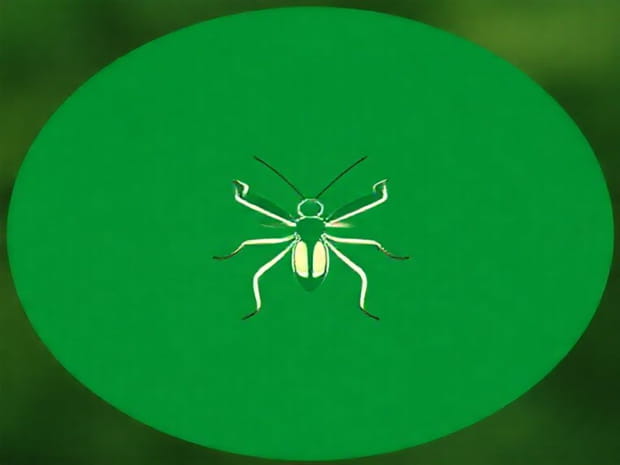
Elm Seed Bug Infestation
Elm seed bug infestation has become an increasingly common concern for homeowners, gardeners, and urban tree managers. These small insects, often found on or around elm trees, can appear in large numbers during certain times of the year, creating both a nuisance and a potential threat to property and local ecosystems. Elm seed bugs are particularly noticeable in the fall when they seek warm shelter for the winter, often entering homes and buildings. Understanding their life cycle, behavior, signs of infestation, and effective management strategies is crucial for controlling these pests and minimizing damage to elm trees and surrounding areas.
What Are Elm Seed Bugs?
Elm seed bugs, scientifically known asArocatus melanocephalus, are small, reddish-brown to black insects that feed primarily on the seeds of elm trees. They are part of the Hemiptera order, which includes many plant-feeding bugs. Adult elm seed bugs are about 6 to 7 millimeters in length, with distinctive elongated bodies and piercing-sucking mouthparts used to extract nutrients from seeds. While they primarily feed on elm seeds, they are not known to cause serious damage to the trees themselves. Their presence, however, can be overwhelming when large numbers congregate on tree trunks, sidewalks, or inside buildings seeking warmth during colder months.
Life Cycle of Elm Seed Bugs
The life cycle of the elm seed bug includes egg, nymph, and adult stages. Female bugs lay eggs on elm tree bark or near seed clusters during the summer months. Eggs hatch into nymphs, which feed on seeds and gradually develop into adults through several molts. Adults become more active in late summer and early fall, when they begin searching for overwintering sites. This behavior is what often leads to infestations in homes and urban areas, as the bugs seek cracks, gaps, and sheltered spaces to survive the winter. Understanding their life cycle is important for timing control measures and preventing large populations from establishing indoors.
Signs of Infestation
Elm seed bug infestations can be identified by several visible signs. Homeowners may notice clusters of small insects around windows, doors, and vents, particularly on sunny sides of buildings. The bugs may appear on tree trunks, fences, or sidewalks, often in large numbers. Unlike other pests, elm seed bugs do not bite humans or pets and do not transmit diseases, but their presence can be unsightly and stressful. Additionally, these bugs may produce a mild, unpleasant odor when crushed or disturbed. Observing early signs of infestation allows for more effective intervention before the bugs enter indoor spaces in large numbers.
Environmental Factors Contributing to Infestations
Several environmental factors contribute to elm seed bug infestations. The availability of mature elm trees with abundant seeds provides a food source for the insects. Warm and dry weather can increase their activity and the likelihood of them entering homes. Urban environments with closely spaced buildings or structures provide additional shelter options, making infestations more common in cities and suburban neighborhoods. Landscape management practices, such as removing fallen seeds or maintaining tree health, can influence the severity and frequency of infestations. Understanding these factors is essential for both prevention and management.
Potential Impacts on Homes and Property
While elm seed bugs do not cause structural damage, their infestations can affect homes and property in several ways. Large numbers of bugs inside buildings can create nuisance conditions, including the need for extensive cleaning and pest control measures. The mild odor they emit when disturbed can also be unpleasant. On exterior surfaces, clusters of bugs can create unsightly accumulations on walls, walkways, and landscaping features. In addition, outdoor infestations may attract attention from predators, such as birds, which can disturb gardens or property. Proactive measures are necessary to reduce the impact of elm seed bugs on homes and public spaces.
Prevention and Management Strategies
Preventing and managing elm seed bug infestations involves a combination of environmental control, physical barriers, and targeted insecticide use. Key strategies include
- Seal Entry PointsClose gaps around windows, doors, vents, and utility openings to prevent bugs from entering buildings.
- Remove Food SourcesCollect fallen seeds and maintain clean areas around elm trees to reduce attraction.
- Use Screens and BarriersInstall fine mesh screens on windows and vents to block insect access.
- Vacuum and CleanRemove indoor bugs promptly using a vacuum and dispose of them carefully to prevent odor and residue.
- Targeted InsecticidesApply insecticides to tree trunks or perimeters as a last resort, following safety guidelines and local regulations.
Seasonal Timing for Control
Timing is crucial when addressing elm seed bug infestations. The most effective control measures are implemented in late summer or early fall, before the bugs begin seeking overwintering shelter. Early intervention reduces the number of insects entering homes and minimizes the potential for indoor infestations. Continued monitoring throughout the fall and winter helps ensure that any remaining bugs are removed promptly. Homeowners should also inspect buildings in early spring, as dormant bugs may emerge from sheltered locations and seek new food sources.
Role of Landscaping and Tree Maintenance
Proper landscaping and tree maintenance can reduce the likelihood of elm seed bug infestations. Pruning elm trees, removing fallen seeds, and maintaining tree health decreases food availability and hiding spots for the insects. Planting a mix of tree species can also reduce population density by limiting the concentration of preferred food sources. For urban areas, coordinating with local authorities or tree management programs can help manage infestations at a neighborhood level, improving effectiveness and reducing the spread of elm seed bugs.
Integrated Pest Management (IPM) Approach
An integrated pest management (IPM) approach combines multiple strategies for long-term control of elm seed bugs. This includes monitoring populations, using physical barriers, practicing proper landscaping, and applying chemical treatments selectively. IPM emphasizes reducing environmental factors that favor infestations while minimizing harm to non-target species and the ecosystem. Education and awareness are also key components, as residents and property managers can work together to identify early signs of infestation and implement preventive measures effectively.
When to Seek Professional Help
In severe cases, professional pest control services may be necessary to manage elm seed bug infestations. Certified professionals can provide targeted insecticide treatments, conduct thorough inspections, and recommend long-term strategies for preventing recurrence. Homeowners should consider professional assistance when infestations are extensive, indoor populations are significant, or when initial prevention measures are insufficient. Working with experts ensures safe and effective control, minimizing disruption and potential damage.
Elm seed bug infestation is a common and manageable issue, particularly in areas with abundant elm trees. While these insects do not pose a direct threat to humans or significant structural damage, their presence can be a nuisance and impact property aesthetics. Understanding the biology, life cycle, and behavior of elm seed bugs is essential for effective prevention and management. By employing a combination of environmental control, physical barriers, seasonal timing, and professional assistance when necessary, homeowners and property managers can reduce infestations and maintain both indoor and outdoor environments free from these pests.
Key Takeaways
- Elm seed bugs feed primarily on elm tree seeds and are most active in late summer and fall.
- Infestations are often seasonal, with bugs seeking shelter in homes and buildings during colder months.
- Early detection and preventive measures, such as sealing entry points and removing fallen seeds, are critical for control.
- Integrated pest management (IPM) strategies combine multiple approaches for long-term prevention.
- Professional pest control may be necessary for severe infestations or extensive indoor populations.
By understanding and addressing elm seed bug infestations through proactive measures and informed management, communities can reduce their impact, protect property, and maintain healthier environments for both humans and urban wildlife.