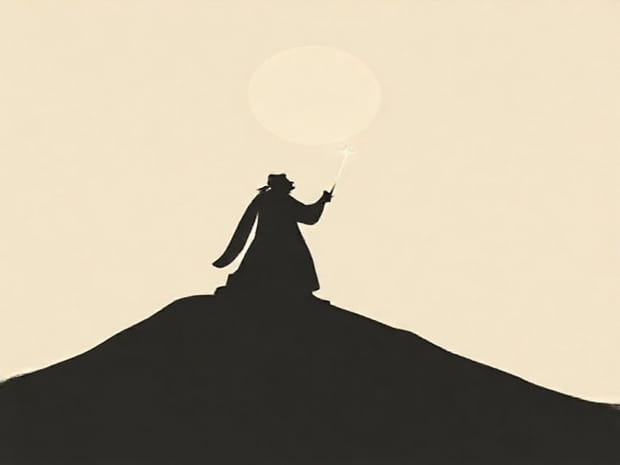
Disquisition On Magic Martin Del Rio
The Disquisition on Magic” by Martin Del Rio is one of the most notable works produced during the late Renaissance that addressed the complex subject of witchcraft, sorcery, and supernatural beliefs. Written at the end of the sixteenth century, this monumental text reflected both the intellectual curiosity and the religious anxieties of the time. While today it serves as a historical document for scholars studying European witch trials and cultural fears about magic, in its own era it played a role in shaping theological and legal attitudes toward accusations of witchcraft. Understanding the work of Martin Del Rio requires looking into his background, the structure of his arguments, and the historical impact of his ideas.
Background of Martin Del Rio
Martin Del Rio, also known as Martín Antonio Del Río, was a Jesuit scholar, theologian, and writer who lived between 1551 and 1608. He was born in Antwerp but had Spanish heritage. Del Rio studied law, classical literature, and theology before joining the Society of Jesus. His scholarly background was wide-ranging, and his writings reveal both a devotion to the Catholic faith and a keen interest in intellectual debates of his time. The “Disquisition on Magic,” originally published in Latin asDisquisitionum Magicarum Libri Sex, was his most famous work and became widely circulated in Europe.
Purpose of the Disquisition on Magic
Del Rio’s text was not a casual reflection but rather a systematic examination of magic and witchcraft. It aimed to provide religious authorities, judges, and inquisitors with a theological and philosophical framework to understand and prosecute cases involving alleged sorcery. The treatise presented a mix of biblical references, classical sources, and contemporary accounts to justify the dangers posed by witches and magical practices. In essence, it reinforced the idea that magic was not simply superstition but a real threat linked to demonic influence.
Structure of the Work
The “Disquisition on Magic” is divided into six books, each dealing with different aspects of the subject. This systematic approach allowed Del Rio to cover a broad range of issues while making his arguments accessible to scholars and authorities of the period. The six books include discussions of definitions, types of magic, theological perspectives, and legal considerations for handling cases of witchcraft.
Book I Defining Magic
The first book focused on clarifying what magic is and how it differs from natural philosophy or legitimate sciences. Del Rio argued that while some phenomena could be explained by natural causes, others clearly pointed to the intervention of demonic forces. This distinction was central to his view of witchcraft as a dangerous deviation from natural order.
Book II Historical Perspectives
The second book drew on examples from classical antiquity and biblical accounts to establish the long history of magical practices. Del Rio cited figures from Greek and Roman mythology as well as stories from the Old Testament to reinforce his claim that magic had always been a human temptation aligned with evil forces.
Book III Theological Interpretations
In this section, Del Rio examined magic from a theological perspective. He argued that the devil could intervene in human affairs through magical pacts, and therefore, those who practiced sorcery were guilty of heresy and blasphemy. He supported these claims with references to Augustine, Aquinas, and other Church authorities.
Book IV Types of Magical Practices
Del Rio categorized different forms of magic, such as divination, necromancy, astrology, and charms. While some practices were condemned more strongly than others, all were viewed as spiritually dangerous because they relied on forces outside divine authority. This classification provided inquisitors with a guide to identifying forms of witchcraft in their communities.
Book V Legal and Judicial Issues
This part of the text focused on the role of judges and inquisitors in handling accusations of witchcraft. Del Rio emphasized the seriousness of such crimes and recommended strict procedures for interrogation and punishment. His perspective reflected the broader climate of fear and repression that characterized witch trials across Europe.
Book VI Refuting Skepticism
The final book addressed those who doubted the existence of witchcraft or the devil’s involvement in magical practices. Del Rio considered skepticism dangerous because it undermined the Church’s authority and allowed evil to spread unchecked. He used biblical and logical arguments to insist that denying witchcraft was itself a form of heresy.
Historical Context of the Disquisition
The late sixteenth and early seventeenth centuries were marked by widespread witch hunts in Europe. Religious conflicts between Catholics and Protestants, combined with fears of heresy, created an environment where accusations of witchcraft became common. Del Rio’s “Disquisition on Magic” contributed to this atmosphere by providing intellectual and theological justification for persecution. Although not the only text of its kind, it was influential because of its clarity and systematic approach.
Influence on Witch Trials
Del Rio’s work was used as a reference by church officials, judges, and scholars during trials of alleged witches. It offered a detailed framework for identifying and condemning magical practices, reinforcing the idea that such individuals were not just criminals but enemies of God. The book circulated widely and was translated into several languages, which extended its influence beyond Catholic regions into broader European debates on witchcraft.
Criticism and Legacy
In modern times, the “Disquisition on Magic” is often criticized for contributing to the persecution and suffering of innocent people accused of witchcraft. Historians view it as a reflection of the fears and prejudices of its time rather than an objective study of magic. Yet, it remains a valuable source for understanding how intellectual, religious, and cultural forces intersected during the era of witch trials.
- It shaped legal and theological views on witchcraft in Europe.
- It reinforced the role of the Inquisition in persecuting alleged witches.
- It demonstrated how scholarly works could justify fear and violence.
Modern Relevance of the Disquisition
Today, the “Disquisition on Magic” is studied not as a guide to witch-hunting but as a historical document that reveals how knowledge, faith, and fear influenced each other. Scholars of history, theology, and literature examine it to understand how societies constructed the idea of magic and used it as a tool of control. It also serves as a reminder of the dangers of unchecked authority and the consequences of conflating superstition with law.
The “Disquisition on Magic” by Martin Del Rio is a fascinating yet troubling work. Written with scholarly precision and theological zeal, it provides insight into how early modern Europe viewed magic and witchcraft. While it once served as a manual for inquisitors and judges, today it stands as a cautionary tale about the misuse of intellectual authority in service of fear and persecution. By studying Del Rio’s arguments, we gain not only a better understanding of history but also a perspective on the importance of critical thinking and compassion in the face of cultural fears.