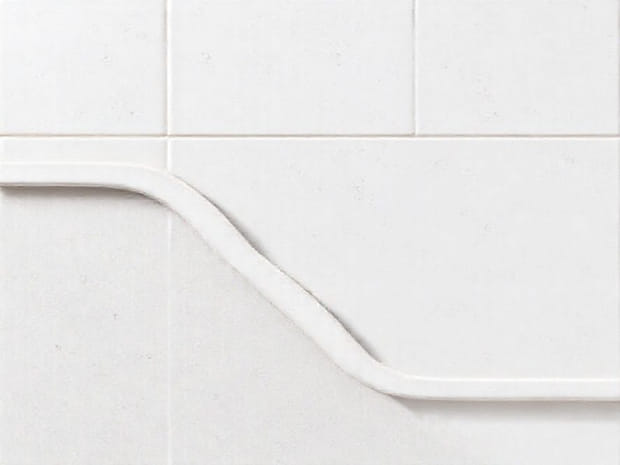
Ceramic Tile Edging Strips
Ceramic tile edging strips are essential accessories for achieving a polished, professional finish in tiling projects. These strips not only enhance the appearance of tiled surfaces but also provide protection against chipping, cracking, and moisture damage at exposed edges. Whether installed on walls, floors, countertops, or backsplashes, ceramic tile edging strips contribute to durability, safety, and aesthetic appeal. Homeowners and professionals alike use them to create smooth transitions between tiles, adjacent materials, or open edges, ensuring the overall design looks clean and intentional. Understanding the types, materials, and installation techniques of ceramic tile edging strips helps achieve long-lasting results and prevents common problems associated with unfinished tile edges.
Types of Ceramic Tile Edging Strips
Ceramic tile edging strips come in various styles, materials, and finishes, allowing for both functional and decorative applications. Selecting the right type depends on the project, tile size, and desired aesthetic.
Metal Edging Strips
Metal edging strips, often made of aluminum, stainless steel, or brass, are highly durable and provide a sleek, modern look. They are ideal for high-traffic areas, staircases, or commercial settings where durability is crucial. Metal strips often come in L-shaped or T-shaped profiles, which fit over the tile edge and create a clean transition to other surfaces.
Plastic and PVC Edging Strips
Plastic or PVC edging strips are lightweight, affordable, and easy to install. They are commonly used in residential projects, such as bathroom or kitchen tiles. PVC strips come in various colors and finishes to match the tiles, and some are flexible enough to accommodate curved surfaces or corners.
Ceramic and Porcelain Edge Tiles
Matching ceramic or porcelain edging tiles are a popular choice for seamless design. These strips are made from the same material as the main tiles, ensuring color, texture, and finish consistency. Ceramic edge tiles are ideal for wall corners, countertops, and other areas where a uniform appearance is desired.
Rubber and Vinyl Edging Strips
Rubber and vinyl edging strips are flexible and provide cushioning for areas where safety is a priority. They are often used around pool decks, children’s play areas, or slippery floors. Their flexibility allows for installation on curved surfaces and prevents injuries from sharp tile edges.
Benefits of Using Ceramic Tile Edging Strips
Installing edging strips in tiled areas provides both practical and aesthetic benefits. They protect tiles, enhance design, and improve overall longevity of the surface.
Protection Against Damage
Exposed tile edges are susceptible to chipping, cracking, and wear over time. Edging strips shield these vulnerable areas from impact, heavy foot traffic, or accidental knocks, prolonging the life of the tiles.
Improved Safety
Tile edges can be sharp and pose a risk of cuts or injuries, especially in homes with children or elderly individuals. Edging strips create smooth transitions and reduce the risk of accidents, making tiled spaces safer.
Enhanced Aesthetic Appeal
Properly installed edging strips provide a clean, professional finish that elevates the appearance of tiled surfaces. They create visually appealing borders, highlight design patterns, and offer a polished look to both modern and traditional interiors.
Moisture and Stain Protection
Tile edges are often points of water infiltration, which can lead to mold, mildew, or structural damage. Edging strips help seal these areas, preventing moisture penetration and maintaining a hygienic surface, particularly in bathrooms, kitchens, and wet areas.
Installing Ceramic Tile Edging Strips
Correct installation of edging strips is crucial for effectiveness and durability. The following steps outline a typical installation process for various types of ceramic tile edging strips.
Preparation of the Surface
Begin by cleaning and leveling the tile edges to ensure proper adhesion. Remove any debris, dust, or uneven surfaces. Measure the length of the edges to determine the required strip sizes and plan cuts for corners or transitions.
Selecting the Right Adhesive
The type of adhesive depends on the material of the edging strip and the tile substrate. Thin-set mortar is commonly used for ceramic and porcelain strips, while silicone or specialized adhesives are preferred for metal or plastic strips. Ensure the adhesive is suitable for wet or high-moisture environments if applicable.
Installing the Strip
Place the strip along the edge of the tile, pressing firmly into the adhesive. For L-shaped metal or plastic strips, ensure the vertical portion covers the tile edge evenly. Use spacers if necessary to maintain consistent spacing between tiles and strips. For flexible strips, gently bend or curve them to match corners or irregular surfaces.
Cutting and Fitting Corners
Precision cutting is important for corners or transitions between different surfaces. Use a miter saw or tile cutter for accurate angles. Ensure pieces fit snugly and maintain a consistent profile. Clean cuts prevent gaps and enhance the finished appearance.
Grouting and Finishing
After the adhesive has set, apply grout between the tiles and edging strips to seal gaps and create a uniform surface. Wipe excess grout carefully to avoid staining the strip material. For metal or plastic strips, ensure the finish remains clean and polished. Apply a sealant if necessary to enhance moisture resistance and maintain a long-lasting finish.
Maintenance of Tile Edging Strips
Proper maintenance ensures the edging strips remain effective and visually appealing for years. Routine cleaning, inspection, and care prevent damage and maintain hygiene.
- Clean strips regularly with non-abrasive cleaners to prevent scratches and discoloration.
- Inspect edges periodically for gaps, loose strips, or signs of wear.
- Reapply sealant if necessary to maintain moisture protection.
- Avoid heavy impact or dragging heavy objects across edges to prevent dents or chips.
- For metal strips, use appropriate polish or cleaner to maintain shine and prevent corrosion.
Applications of Ceramic Tile Edging Strips
Edging strips are versatile and suitable for various tiling projects. Their application extends beyond simple protection to enhancing design and functionality.
Bathroom and Kitchen Walls
Edge strips provide a clean finish around countertops, backsplashes, and corners. They prevent chipping in high-use areas and enhance the overall aesthetic of wet zones.
Floor Tiles and Staircases
Protecting floor edges and stair risers is essential for safety and durability. Edging strips reduce wear and prevent injuries from sharp corners.
Transition Between Materials
Tile edging strips are ideal for creating smooth transitions between tile and other flooring materials such as wood, laminate, or carpet. They provide a seamless and professional look while protecting the tile edge.
Ceramic tile edging strips are indispensable tools for both functional and decorative purposes in tiling projects. They protect vulnerable tile edges from damage, enhance safety, prevent moisture infiltration, and contribute to a polished, professional appearance. Selecting the appropriate material and profile, preparing the surface correctly, and following precise installation steps ensures long-lasting results. Regular maintenance preserves both the beauty and effectiveness of the strips. Whether used in residential or commercial settings, on floors, walls, or countertops, ceramic tile edging strips play a vital role in improving the durability, safety, and visual appeal of tiled surfaces, making them a worthwhile investment for any tiling project.