Ceramic Brake Pads Squeal
Experiencing a high-pitched squeal when braking can be frustrating and concerning, especially when using ceramic brake pads, which are widely praised for their durability and low dust production. While ceramic pads are designed to provide quiet operation compared to metallic counterparts, squealing can still occur due to several factors, including installation issues, wear, environmental conditions, and braking habits. Understanding why ceramic brake pads squeal is essential for vehicle owners to maintain safe braking performance and prolong the lifespan of their braking system.
Understanding Ceramic Brake Pads
Ceramic brake pads are made from a dense ceramic compound combined with fine copper fibers to improve heat conductivity and friction. They are engineered to offer several advantages, including quieter operation, lower dust generation, longer lifespan, and consistent braking performance across a wide temperature range. Despite these benefits, ceramic brake pads are not immune to producing noise under certain circumstances. Recognizing the characteristics and limitations of these pads is crucial for proper maintenance.
Advantages of Ceramic Brake Pads
- Quieter braking compared to semi-metallic pads.
- Reduced brake dust, keeping wheels cleaner.
- Durable composition that resists wear over time.
- Consistent braking performance in everyday driving conditions.
Common Causes of Squealing
Even though ceramic brake pads are quieter by design, several factors can lead to squealing. Identifying the root cause helps vehicle owners take corrective measures and prevent further damage. Common reasons include
1. Glazed Brake Pads
When brake pads overheat due to excessive braking or improper bedding-in, the surface can become glazed. This smooth, hardened layer reduces friction efficiency and often produces a high-pitched squeal during braking. Glazing can occur more quickly if the vehicle is driven aggressively or if the pads are exposed to extreme heat without proper cooling.
2. Worn or Uneven Rotors
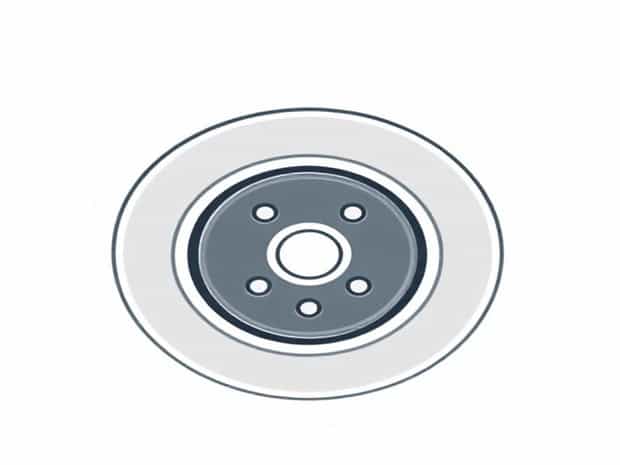
Brake rotors that are worn, warped, or unevenly machined can cause vibrations that lead to squealing. Even ceramic pads, which are designed to be gentle on rotors, can transmit noise if the rotor surface is irregular. Regular inspection and resurfacing or replacement of rotors can prevent this type of noise.
3. Improper Installation
Incorrect installation of brake pads, such as not using shims, failing to lubricate contact points, or improper torque on caliper bolts, can result in vibrations and squealing. Ensuring professional installation or carefully following manufacturer instructions reduces the likelihood of noise.
4. Environmental Factors
Moisture, dust, and road salt can temporarily increase brake noise. For instance, after driving in rainy or humid conditions, a thin layer of rust can form on rotors overnight, leading to squealing during the first few stops. This type of noise usually disappears after a few braking applications.
5. Bedding-In Process
New ceramic brake pads require a proper bedding-in process to ensure optimal contact with the rotor. If this process is skipped or performed incorrectly, uneven friction surfaces can form, leading to squealing or reduced braking efficiency. Following the manufacturer’s recommended bedding-in procedure is essential.
Preventing Ceramic Brake Pad Squeal
While some brake noise is normal, especially under specific conditions, there are several measures drivers can take to minimize or eliminate squealing.
Use Proper Shims and Anti-Squeal Compounds
- Installing shims between the pad and caliper reduces vibrations that cause squeal.
- Applying anti-squeal grease to contact points ensures smooth operation.
- Ensuring all hardware is correctly torqued to prevent movement that produces noise.
Regular Maintenance
- Inspect rotors for wear, warping, or glazing and resurface or replace as needed.
- Check pad thickness regularly and replace worn pads promptly.
- Keep braking components clean from debris, dust, and rust buildup.
Correct Bedding-In
Properly bedding-in new ceramic pads ensures consistent contact with the rotor surface. This involves gradually applying moderate braking pressure in a series of stops to transfer a thin layer of pad material onto the rotor. This process improves braking performance and reduces initial squealing.
When to Seek Professional Help
If squealing persists despite taking preventive measures, it may indicate underlying issues that require professional attention. Common situations that warrant a mechanic’s inspection include persistent squealing under light braking, vibration felt through the brake pedal, or uneven rotor wear. Ignoring these signs can compromise braking performance and safety.
Professional Inspection Checklist
- Rotor condition checking for warping, scoring, or uneven thickness.
- Pad installation ensuring correct positioning, shims, and lubrication.
- Caliper function inspecting for sticking pistons or uneven pad pressure.
- Brake hardware verifying that clips, pins, and bolts are properly installed and lubricated.
Ceramic brake pads are favored for their quiet operation, longevity, and low dust output, yet squealing can still occur due to factors such as glazing, rotor issues, improper installation, environmental conditions, or insufficient bedding-in. By understanding these causes and taking preventative measures such as proper installation, regular maintenance, and correct bedding-in, drivers can minimize noise while maintaining optimal braking performance. Persistent squealing should not be ignored, as it may indicate a need for professional inspection to ensure safety and the longevity of braking components. Addressing these issues promptly ensures that ceramic brake pads perform as intended, delivering a quiet, smooth, and reliable braking experience for everyday driving.