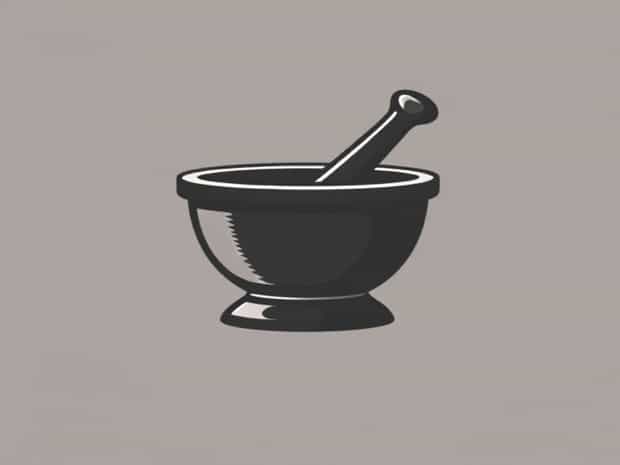
Cast Iron Mortar And Pestle
For centuries, the mortar and pestle have been essential tools across cultures, valued for their ability to grind, crush, and blend ingredients with precision. Among the many variations, the cast iron mortar and pestle stands out as one of the most durable and versatile. It has gained popularity in both kitchens and laboratories due to its strength and efficiency. Unlike wooden or ceramic options, a cast iron set offers robustness that makes it suitable for tougher ingredients, from spices and herbs to minerals and grains. Understanding its history, features, benefits, and maintenance can help anyone appreciate why this classic tool remains relevant even in modern times.
History and Origins
The mortar and pestle have been used since ancient civilizations such as Mesopotamia, Egypt, and Greece. They played a vital role in food preparation, medicine, and ritual practices. Cast iron, introduced much later than stone or ceramic, became a preferred material because of its longevity and resilience. By the 18th and 19th centuries, cast iron cookware and tools including mortars and pestles were commonly found in households and apothecaries. This tradition continues today, especially among those who value old-fashioned, manual methods of food preparation.
Characteristics of Cast Iron Mortar and Pestle
Material Strength
Cast iron is renowned for its hardness and durability. A cast iron mortar and pestle can withstand significant pressure and is less likely to crack or chip compared to ceramic or stone. This makes it especially suitable for grinding hard spices like cloves, peppercorns, or seeds.
Weight and Stability
The heavy weight of cast iron is a natural advantage. When placed on a countertop, the mortar stays stable during use, preventing spills or movement while grinding. This stability enhances efficiency and safety, especially when handling dense or tough ingredients.
Capacity and Design
Most cast iron mortars have a deep bowl that allows for larger quantities of spices or herbs to be processed at once. The pestle, usually thick and heavy, complements the mortar, providing the necessary force for grinding. Many designs are minimalist, with a rustic appearance that appeals to those who enjoy vintage kitchen aesthetics.
Uses in the Kitchen
Grinding Spices
One of the most common uses of a cast iron mortar and pestle is grinding spices. Freshly ground spices release stronger aromas and flavors than pre-packaged powders. From cumin seeds to coriander and dried chilies, the tool ensures a finer, more aromatic result.
Making Pastes
In many cuisines, pastes made from garlic, ginger, and herbs form the foundation of dishes. Crushing these ingredients in a cast iron mortar helps release natural oils and enhances flavor, creating a base that cannot be replicated with electric grinders.
Preparing Traditional Dishes
Cuisines from South Asia, Africa, and Latin America often rely on manual grinding for authenticity. Dishes like curry pastes, pesto, or salsa verde benefit from the texture and consistency that only a mortar and pestle can provide.
Uses Beyond the Kitchen
The versatility of the cast iron mortar and pestle extends to non-culinary applications as well
- Herbal medicineTraditionally used to crush dried herbs and roots for remedies.
- LaboratoriesUseful in chemistry for grinding minerals or other solid samples.
- Ceremonial usesIn some cultures, mortars and pestles are still used in rituals involving herbs or resins.
Advantages of Cast Iron Mortar and Pestle
Durability
Unlike glass or ceramic, cast iron does not break easily. With proper care, it can last a lifetime, making it a worthwhile investment for any household or professional kitchen.
Efficiency
The weight of the pestle provides natural force, reducing the effort needed to crush ingredients. This allows for faster and more effective grinding compared to lighter materials.
Versatility
From grinding spices to crushing ice or preparing natural remedies, the cast iron mortar and pestle serves multiple purposes. Its ability to handle both wet and dry ingredients adds to its appeal.
How to Season and Maintain
Like other cast iron cookware, a cast iron mortar and pestle requires seasoning to prevent rust and maintain usability. Here are some key steps
- SeasoningCoat the surface lightly with vegetable oil and heat it before first use.
- CleaningAvoid soap; instead, rinse with warm water and scrub gently with a brush.
- DryingAlways dry immediately to prevent rust. Leaving it damp can damage the material.
- StorageKeep in a dry place and occasionally reapply oil to preserve the surface.
Comparisons with Other Materials
Cast Iron vs. Granite
Granite mortars are also popular because of their rough texture, which makes grinding easier. However, granite is more prone to chipping if handled carelessly. Cast iron, while requiring seasoning, offers superior durability.
Cast Iron vs. Ceramic
Ceramic mortars are lightweight and aesthetically pleasing but are less practical for heavy-duty grinding. Cast iron surpasses them in performance, especially for hard ingredients.
Cast Iron vs. Wood
Wooden mortars are gentle and suitable for soft ingredients, but they absorb flavors and oils. Cast iron, by contrast, is more hygienic and resistant to absorbing odors.
Why Choose a Cast Iron Mortar and Pestle
For those who value authentic cooking techniques, a cast iron mortar and pestle is a valuable addition to the kitchen. It not only enhances flavor but also brings a sense of tradition to food preparation. Its durability ensures it will serve multiple generations, while its versatility makes it suitable for both everyday use and specialized recipes.
The cast iron mortar and pestle is more than just a kitchen tool; it is a link to ancient traditions of food preparation and medicine. Its strength, stability, and ability to extract maximum flavor from ingredients make it indispensable. While it requires care and maintenance, the benefits far outweigh the effort. Whether used for grinding spices, making herbal remedies, or preparing cultural dishes, this tool remains a timeless choice for those who value authenticity and quality.
By appreciating the qualities of cast iron, users can rediscover the joys of manual grinding and connect with culinary traditions that have shaped kitchens for centuries. The cast iron mortar and pestle is not just practical it is a symbol of resilience, heritage, and craftsmanship that continues to hold relevance in the modern world.