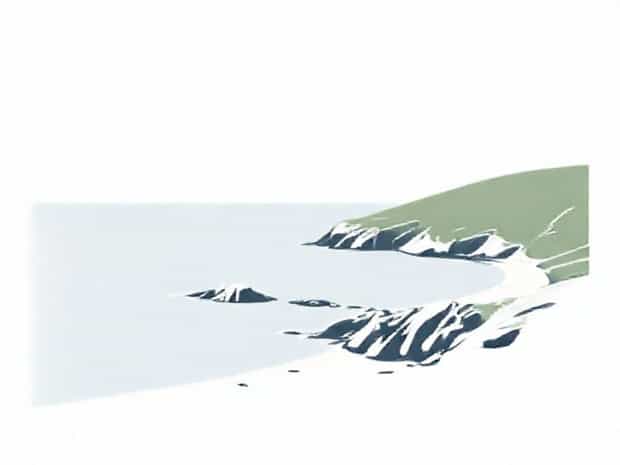
Lulworth Cove Concordant Coastline
Lulworth Cove is one of the most iconic coastal features in southern England, admired not only for its stunning beauty but also for its geological significance. Nestled along the Jurassic Coast, a UNESCO World Heritage Site, Lulworth Cove exemplifies how natural processes interact with rock formations to create unique coastal landscapes. It is a classic example of a concordant coastline, where the alignment of rock strata influences the formation and shape of the cove. Visitors and geologists alike are fascinated by how waves, rock types, and erosion combine to produce such a picturesque yet scientifically informative feature.
Understanding Lulworth Cove
Lulworth Cove is a small, circular bay that attracts thousands of visitors every year. Its sheltered waters, dramatic cliffs, and clear sandy beaches make it an ideal location for sightseeing, walking, and studying coastal processes. Unlike many bays formed along discordant coastlines, where varying rock types create irregular shapes, Lulworth Cove’s formation is strongly tied to the concordant arrangement of its rock layers, providing a textbook example for students and enthusiasts of physical geography.
Geographical Location
The cove is located near the village of West Lulworth in Dorset, England. It sits along the south coast, part of the larger Jurassic Coast stretching from East Devon to Dorset. This area is renowned for its geological history, containing rock formations from the Triassic, Jurassic, and Cretaceous periods. The cove’s location along this heritage coastline makes it an important site for studying both ancient environments and modern coastal processes.
Concordant Coastline Explained
A concordant coastline, also known as a longitudinal coastline, occurs when bands of rock run parallel to the coast. In these locations, harder rocks form protective barriers in front of softer rocks. At Lulworth Cove, this arrangement has a direct impact on the bay’s formation, influencing how waves erode the coastline and create sheltered water areas. Concordant coastlines often result in the development of coves, inlets, and bays that are more uniform and rounded compared to the jagged shapes of discordant coastlines.
Rock Types at Lulworth Cove
- Chalk Hard, resistant rock forming the outer layers that protect the cove.
- Clay Softer, easily eroded rock located behind the chalk, forming the interior of the cove.
- Limestone Contributes to the durability of the surrounding cliffs and coastal features.
- Sands and Shales Additional softer materials that are gradually eroded, shaping the bay’s rounded profile.
Formation of Lulworth Cove
The cove’s formation is primarily a result of wave erosion exploiting weaknesses in the rock layers. Over thousands of years, the sea has cut through the outer bands of hard rock, creating an opening. Waves then erode the softer clays and sands behind these barriers, gradually forming the rounded shape characteristic of Lulworth Cove. This combination of resistant outer rock and softer inner rock demonstrates the principles of differential erosion, a key concept in coastal geography.
Stages of Erosion
- Hydraulic Action Waves compress air in cracks within the hard chalk, gradually widening them.
- Abrasion Rock fragments and sand carried by waves scrape and wear down softer interior rocks.
- Solution Chemical reactions dissolve some of the limestone and chalk components over time.
- Long-term Erosion Continuous wave action maintains the cove’s circular shape, slowly expanding its size.
Tourism and Accessibility
Lulworth Cove is not only a geological marvel but also a popular tourist destination. Its natural beauty, combined with the educational value of its formation, draws visitors from around the world. Walking trails along the cliffs offer panoramic views, while the beach and water areas provide spaces for recreation. Educational signage and guided tours often explain the concept of concordant coastlines and the role of erosion in shaping the bay, making it a key location for geography education.
Visitor Facilities
- Parking Designated car parks nearby to accommodate tourists.
- Information Centers Providing maps, guides, and educational material about the cove.
- Walking Trails Cliff-top paths offering views of the cove, surrounding cliffs, and Lulworth Bay.
- Local Amenities Cafes, shops, and accommodations in West Lulworth village support tourism.
Importance for Education and Research
Lulworth Cove serves as an ideal field study location for students of physical geography and geology. The visible layers of rock provide real-world examples of sedimentary sequences and coastal erosion processes. The cove also allows researchers to study long-term coastal evolution, sediment transport, and the effects of sea-level change on concordant coastlines. The combination of educational accessibility and scientific value makes it a cornerstone of field-based learning along the Jurassic Coast.
Research Focus Areas
- Coastal Erosion Rates Measuring how quickly different rock types wear down over time.
- Sea-Level Change Observing the impact of rising or falling sea levels on bay formation.
- Ecology and Biodiversity Studying marine and cliffside ecosystems influenced by coastal processes.
- Tourism Impact Assessing how human activity affects natural erosion and preservation efforts.
Conservation and Preservation
As part of the Jurassic Coast World Heritage Site, Lulworth Cove benefits from conservation measures designed to protect both its natural and geological features. Efforts include managing visitor numbers, maintaining pathways to reduce erosion, and educating the public on sustainable practices. Conservation ensures that future generations can continue to experience and learn from this exceptional example of a concordant coastline.
Key Conservation Efforts
- Pathway Maintenance Preventing footpath erosion along cliffs and access points.
- Visitor Education Informational boards highlighting the importance of preservation.
- Habitat Protection Safeguarding cliffside plants and marine life from damage.
- Monitoring Erosion Using scientific data to guide preservation strategies.
Lulworth Cove stands as a perfect illustration of a concordant coastline in action. Its rounded bay, protected by hard outer rock layers, showcases the impact of differential erosion on coastal landscapes. Beyond its visual appeal, the cove is a crucial site for education, research, and tourism. By understanding the geological processes at work and implementing effective conservation practices, Lulworth Cove continues to provide insight into coastal dynamics while remaining accessible to visitors. Its combination of beauty, science, and accessibility ensures that Lulworth Cove will remain a key feature of the Jurassic Coast and a lasting example of how concordant coastlines shape our natural world.