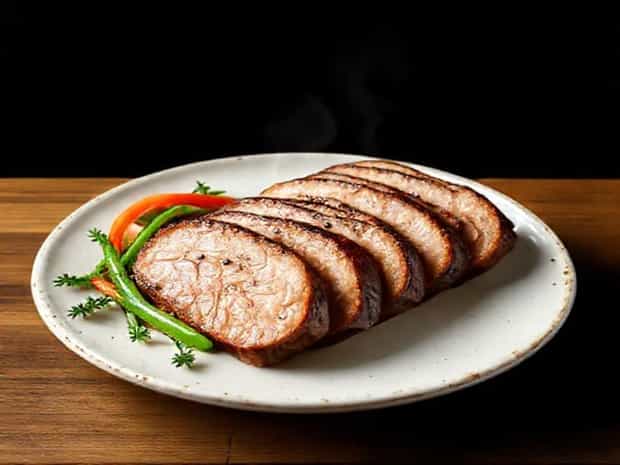
Korean Pork Loin Recipe
Korean pork loin is a versatile and flavorful dish that has gained popularity around the world for its rich, savory taste and tender texture. Combining a perfect balance of sweet, salty, and umami flavors, a well-prepared Korean pork loin can be the centerpiece of any meal. The recipe often incorporates traditional Korean ingredients such as soy sauce, garlic, ginger, sesame oil, and gochujang, creating a marinade that infuses the meat with deep flavor. Whether grilled, pan-seared, or baked, Korean pork loin is simple to prepare at home, making it accessible to both beginners and experienced cooks seeking authentic Korean flavors in their kitchen. Exploring this recipe also opens the door to learning more about Korean culinary techniques, marinades, and serving suggestions.
Choosing the Right Pork Loin
The first step to making a delicious Korean pork loin recipe is selecting the right cut of meat. Pork loin is known for its lean yet tender qualities, making it ideal for marinating and quick cooking. When shopping, look for a fresh piece of pork loin with minimal fat and a consistent pink color. Avoid meat that appears overly dark or dry, as this may affect the final texture and flavor of the dish. Some recipes may also incorporate a small amount of pork shoulder for extra juiciness, depending on personal preference.
Tips for Selecting Pork Loin
- Choose a cut that is evenly thick to ensure uniform cooking.
- Look for a small layer of fat for added flavor without excessive greasiness.
- Freshness is key purchase from a reputable butcher or grocery store.
Preparing the Marinade
The hallmark of Korean pork loin is its flavorful marinade. Traditional marinades combine sweet, salty, and spicy elements to enhance the natural taste of the meat. Ingredients such as soy sauce provide saltiness and umami, while sugar or honey adds a subtle sweetness. Garlic and ginger introduce aromatic depth, and sesame oil contributes a nutty richness. For a touch of heat and authentic Korean flavor, gochujang or Korean chili paste can be incorporated. This mixture not only seasons the meat but also tenderizes it, resulting in a juicy and flavorful pork loin after cooking.
Essential Marinade Ingredients
- Soy Sauce The base of the marinade, providing saltiness and depth.
- Garlic and Ginger Aromatics that enhance the overall flavor profile.
- Brown Sugar or Honey Adds sweetness and helps with caramelization during cooking.
- Sesame Oil Contributes a nutty flavor and aroma.
- Gochujang Optional, for spice and authentic Korean taste.
Marinating the Pork
Once the marinade is prepared, the pork loin should be coated thoroughly and allowed to rest. Ideally, marinating for several hours or overnight ensures that the flavors penetrate the meat, resulting in a tender and juicy dish. When marinating, use a non-reactive container such as glass or food-safe plastic, and make sure the meat is evenly coated. Turning the meat occasionally during marination helps distribute the flavors more evenly.
Marinating Tips
- Use a zip-top bag for convenience and even coating of the marinade.
- Refrigerate the pork while it marinates to maintain freshness.
- Do not over-marinate, as excessive acidic ingredients can alter the texture of the meat.
Cooking Methods for Korean Pork Loin
Korean pork loin can be cooked in several ways depending on personal preference and available equipment. Each method brings out different aspects of flavor and texture, allowing flexibility in preparation. Popular methods include grilling, pan-searing, and baking.
Grilling
- Preheat the grill to medium-high heat and lightly oil the grates.
- Cook the marinated pork loin for several minutes on each side, allowing a slight char to develop.
- Rest the meat for a few minutes before slicing to retain juices.
Pan-Searing
- Heat a skillet or frying pan over medium heat and add a small amount of oil.
- Cook the pork loin until golden brown on both sides and fully cooked through.
- Optional Deglaze the pan with a splash of soy sauce or marinade to create a quick sauce.
Baking
- Preheat the oven to 375°F (190°C) and place the marinated pork loin in a baking dish.
- Bake for 25-35 minutes or until the internal temperature reaches 145°F (63°C).
- Allow the meat to rest before slicing to maintain tenderness.
Serving Suggestions
Korean pork loin pairs well with a variety of side dishes and accompaniments that complement its rich and savory flavor. Traditional Korean meals often include rice, vegetables, and banchan, small side dishes that add variety and texture to the dining experience. Lettuce wraps, known as ssam, are another popular way to enjoy Korean pork loin, combining meat, rice, and vegetables in a single bite.
Popular Accompaniments
- Steamed White Rice A neutral base that balances the savory flavors of the pork.
- Kimchi Fermented vegetables add spice, tanginess, and crunch.
- Lettuce Wraps Wrap slices of pork loin with rice, garlic, and ssamjang for a flavorful bite.
- Grilled Vegetables Bell peppers, onions, and zucchini complement the pork with smoky flavors.
Tips for Perfect Korean Pork Loin
To achieve the best results when preparing Korean pork loin, attention to detail during marination and cooking is essential. The following tips can help enhance flavor, tenderness, and overall presentation of the dish.
Cooking Tips
- Slice the pork against the grain to maximize tenderness.
- Monitor cooking time carefully to avoid overcooking, which can make the pork dry.
- Brush with leftover marinade during grilling or baking to enhance flavor and caramelization.
Presentation Tips
- Arrange slices neatly on a platter and garnish with sesame seeds or green onions.
- Serve with small bowls of dipping sauces for added variety.
- Offer banchan on the side to create an authentic Korean dining experience.
The Korean pork loin recipe offers a delicious combination of savory, sweet, and umami flavors that make it a standout dish in any kitchen. By selecting high-quality pork, preparing a flavorful marinade, and using careful cooking techniques, home cooks can replicate authentic Korean flavors with ease. Whether grilled, pan-seared, or baked, this recipe provides a tender and juicy meal that can be served with traditional sides like rice, kimchi, and lettuce wraps. Its versatility and rich flavor make Korean pork loin a favorite for family dinners, special occasions, or casual meals with friends. Incorporating this recipe into your cooking repertoire allows you to enjoy a taste of Korean cuisine while creating an interactive and satisfying dining experience.