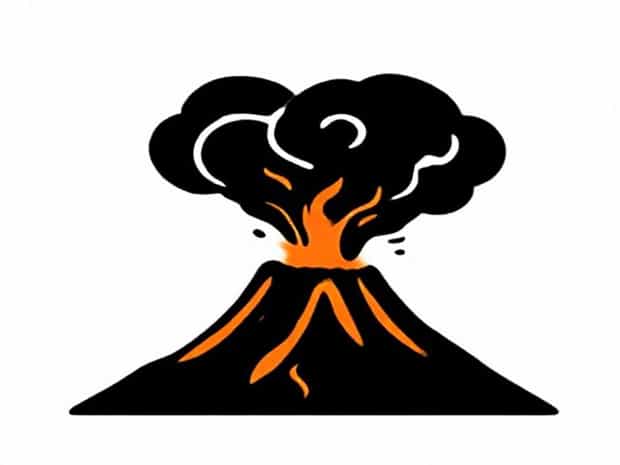
Kinds Of Volcanic Eruption
Volcanic eruptions are one of the most dramatic natural events on Earth, displaying the immense power of our planet’s interior. They occur when magma, gases, and other volcanic materials escape from beneath the Earth’s crust, resulting in lava flows, ash clouds, pyroclastic materials, and sometimes catastrophic explosions. The study of volcanic eruptions is crucial for understanding how they shape landscapes, influence climate, and pose risks to human populations. Volcanic activity varies widely, and eruptions can differ in intensity, style, and impact. By categorizing the different kinds of volcanic eruptions, scientists can better predict hazards, prepare safety measures, and explore the geological processes that drive these powerful events.
Introduction to Volcanic Eruptions
Volcanic eruptions are primarily driven by the movement of magma from deep within the Earth toward the surface. Magma contains dissolved gases, molten rock, and sometimes crystals, which expand and escape during an eruption. The type of eruption depends on several factors, including magma composition, gas content, viscosity, and tectonic setting. Understanding the kinds of volcanic eruptions helps geologists classify volcanoes, assess their behavior, and plan disaster management strategies for nearby communities.
Factors Influencing Eruption Types
- Magma composition Basaltic, andesitic, or rhyolitic magma affects viscosity and explosiveness.
- Gas content High gas pressure can lead to explosive eruptions, while low gas content tends to produce effusive flows.
- Viscosity Low-viscosity magma flows easily, forming gentle eruptions, whereas high-viscosity magma traps gases, leading to violent explosions.
- Volcano structure Shield, stratovolcano, cinder cone, and caldera types influence eruption style.
- Tectonic setting Rift zones, subduction zones, and hotspots determine magma supply and eruption frequency.
Types of Volcanic Eruptions
Volcanic eruptions are classified into several main types based on their characteristics, including lava flow behavior, explosivity, and interaction with water or ice. The most widely recognized types include Hawaiian, Strombolian, Vulcanian, Plinian, Pelean, Surtseyan, and phreatomagmatic eruptions.
Hawaiian Eruption
Hawaiian eruptions are typically gentle and effusive, with low-viscosity basaltic lava flowing over large areas. These eruptions often create broad, shield-shaped volcanoes such as Mauna Loa and Kilauea in Hawaii. Lava fountains, lava lakes, and long lava flows are common features. Hawaiian eruptions generally pose less immediate danger to human life compared to explosive types, although they can destroy property and alter landscapes significantly.
Strombolian Eruption
Strombolian eruptions are moderately explosive and named after Stromboli Volcano in Italy. These eruptions are characterized by regular bursts of lava, incandescent cinder, and volcanic bombs. The eruptions are driven by gas bubbles that rise through magma, causing intermittent explosions. Strombolian eruptions produce cinder cones and small lava flows, often attracting tourists due to their visually striking activity.
Vulcanian Eruption
Vulcanian eruptions are short, violent, and explosive, producing ash plumes, pyroclastic flows, and volcanic bombs. The magma involved is usually andesitic or dacitic, with higher viscosity than basaltic magma. Vulcanian eruptions can eject large amounts of ash and rock fragments into the atmosphere, posing risks to air travel and nearby populations. These eruptions often occur at stratovolcanoes such as Mount Vesuvius in Italy.
Plinian Eruption
Plinian eruptions are highly explosive and produce towering ash columns that can reach tens of kilometers into the atmosphere. They are named after Pliny the Younger, who documented the eruption of Mount Vesuvius in 79 AD. Plinian eruptions eject pumice, ash, and gas over vast areas, potentially causing widespread destruction. These eruptions form calderas, produce pyroclastic flows, and can significantly impact climate due to the release of volcanic gases and aerosols.
Pelean Eruption
Pelean eruptions are characterized by the collapse of a lava dome, producing pyroclastic flows known as nuées ardentes. These flows are fast-moving, extremely hot, and highly destructive. The eruption style is named after Mount Pelée in Martinique, where a 1902 eruption destroyed the city of Saint-Pierre. Pelean eruptions are dangerous due to their sudden onset, high temperature, and rapid flow of volcanic materials.
Surtseyan Eruption
Surtseyan eruptions occur when magma interacts with water, often in shallow seas, lakes, or wetlands. Named after the Surtsey volcano in Iceland, these eruptions produce explosive activity, steam, and fragmented volcanic debris. Surtseyan eruptions can create new islands and are associated with phreatomagmatic processes, where the interaction of water and magma leads to violent explosions.
Phreatomagmatic Eruption
Phreatomagmatic eruptions are caused by the interaction of magma with external water sources such as groundwater or ice. These eruptions generate steam explosions, ash clouds, and fragmented material, often forming tuff rings or maars. Phreatomagmatic eruptions are unpredictable and can produce hazardous conditions even without significant lava flows, making them a unique and dangerous eruption type.
Impact of Different Eruption Types
Each kind of volcanic eruption has distinct impacts on the environment, human settlements, and the atmosphere. Effusive eruptions like Hawaiian flows reshape landscapes slowly, while explosive eruptions like Plinian and Vulcanian types can devastate entire regions in hours. Volcanic ash can affect agriculture, disrupt air traffic, and contribute to climate cooling. Pyroclastic flows and lahars can destroy infrastructure and pose significant risks to life. Understanding the eruption type is crucial for disaster preparedness and risk mitigation.
Volcanic Hazards
- Lava flows destroying buildings and farmland
- Pyroclastic flows causing rapid destruction and fatalities
- Volcanic ash affecting respiratory health, agriculture, and aviation
- Lahars or mudflows triggered by volcanic material mixing with water
- Climate effects from the release of sulfur dioxide and other gases
Monitoring and Prediction
Monitoring volcanic activity involves observing gas emissions, ground deformation, seismic activity, and thermal changes. Predicting the type and intensity of an eruption allows authorities to implement evacuation plans and safety measures. Knowledge of eruption types helps volcanologists anticipate potential hazards and mitigate the impact on surrounding populations and infrastructure.
The kinds of volcanic eruptions range from gentle, effusive flows like Hawaiian eruptions to violent and catastrophic events like Plinian and Pelean eruptions. Each type is influenced by factors such as magma composition, gas content, viscosity, and the interaction with water. Understanding these eruption types is essential for predicting hazards, planning evacuation strategies, and studying the geological processes shaping our planet. By studying the characteristics and impacts of various volcanic eruptions, scientists and communities can better prepare for volcanic events and reduce their risks, ensuring a safer coexistence with one of Earth’s most powerful natural forces.