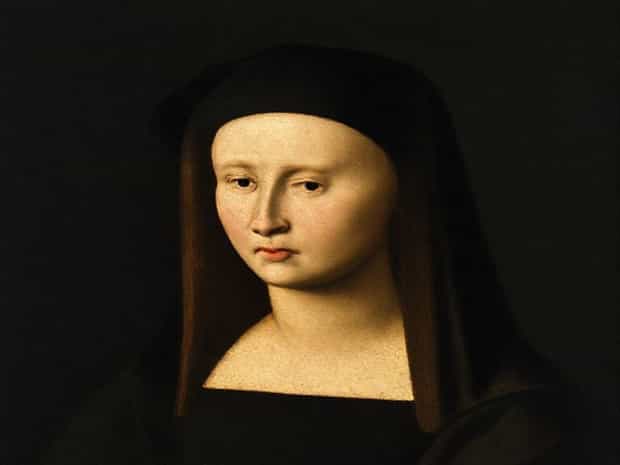
Jan Van Eyck Arnolfini Portrait
The Arnolfini Portrait by Jan van Eyck remains one of the most fascinating and discussed works of early Northern Renaissance art. Painted in 1434, this small oil panel has intrigued historians, artists, and casual viewers for centuries. Its intricate details, symbolism, and technical mastery reveal much more than a simple depiction of a man and a woman in a domestic setting. The painting combines innovation in oil techniques with a narrative filled with layers of meaning, making it one of the greatest treasures of European art. Understanding the Arnolfini Portrait means stepping into the world of fifteenth-century Bruges, where wealthy patrons sought to immortalize themselves through art that communicated both their social status and personal identity.
Jan van Eyck and His Artistic Innovations
Jan van Eyck was one of the most influential painters of the Northern Renaissance. His mastery of oil paint allowed him to achieve an unprecedented level of detail, texture, and depth. While he was not the inventor of oil painting, his technique elevated the medium and inspired countless artists who followed. The Arnolfini Portrait is a testament to his technical skill, with delicate brushstrokes capturing fabrics, wood grain, glass, and even reflections.
Van Eyck’s attention to realism extended beyond physical likenesses. He infused his works with natural light effects, symbolic elements, and an almost photographic precision that made his portraits appear alive. This unique ability is what makes the Arnolfini Portrait so compelling even today.
The Subjects of the Painting
The figures in the portrait are believed to be Giovanni di Nicolao di Arnolfini, a wealthy Italian merchant living in Bruges, and his wife, possibly Giovanna Cenami. However, scholars have debated their exact identities for generations. The couple stands in the interior of a finely decorated room, surrounded by objects that convey wealth, refinement, and symbolic meaning.
The Male Figure
Giovanni Arnolfini is depicted in a dark robe lined with fur, a sign of prosperity. His solemn expression and raised hand suggest both authority and perhaps a gesture of oath-taking. His presence in the composition conveys stability, commerce, and status as a respected merchant in fifteenth-century society.
The Female Figure
The woman, wearing a voluminous green gown trimmed with fur, appears modest yet elegant. The color of her dress symbolizes fertility and wealth, while her posture reflects grace and humility. Her slightly rounded appearance has often been misinterpreted as pregnancy, but many scholars argue it is simply the fashion of the time, designed to emphasize the flowing folds of expensive fabric.
Symbolism in the Arnolfini Portrait
One of the most captivating aspects of the painting is its symbolic richness. Almost every detail contributes to a deeper meaning, turning the portrait into a visual puzzle that continues to spark debate among art historians.
- The DogA small dog at the couple’s feet represents loyalty, fidelity, and domestic harmony. Its presence emphasizes the values of marriage and partnership.
- The ChandelierA single burning candle in the ornate chandelier has been interpreted as the presence of God, or as a symbol of unity and the sanctity of marriage vows.
- The MirrorThe convex mirror on the back wall reflects not only the couple but also two additional figures, possibly witnesses. Around the mirror are tiny medallions depicting scenes from the Passion of Christ, reinforcing religious overtones.
- The ShoesThe pair of shoes removed and placed on the floor may symbolize the sacredness of the moment, echoing the biblical act of removing shoes on holy ground.
- The Bed and FurnitureThe elaborate bed drapery, ornate furnishings, and carpet highlight the couple’s wealth, but they may also carry symbolic references to family life and prosperity.
The Role of the Artist
Another extraordinary feature of the painting is Jan van Eyck’s inclusion of himself within the work. In the reflection of the mirror, a small figure believed to be the artist can be seen, bearing witness to the scene. Above the mirror, an inscription in Latin reads, Johannes de Eyck fuit hic (Jan van Eyck was here), functioning both as a signature and a statement of authenticity.
This unique act of self-insertion emphasizes the painter’s role not just as a craftsman but as a respected participant in the documentation of history. It elevates the painting from a simple portrait to a carefully constructed legal and symbolic record.
Interpretations and Debates
The Arnolfini Portrait has sparked centuries of interpretation. Some scholars argue that it represents a marriage contract or betrothal ceremony, witnessed by the painter himself. Others suggest it may be a commemoration of a private vow or even a memorial portrait if one of the figures had passed away by the time of its creation. The ambiguity of the work is part of its enduring allure, as every detail seems to invite multiple readings.
A Marriage Contract or Not?
The raised hand of the male figure and the joined presence of two individuals in a domestic interior have often been seen as symbolic of marriage. However, no historical evidence conclusively proves that the painting was created to record a wedding. It may instead be a broader statement of wealth, status, and piety, showing the couple in an idealized domestic harmony.
Technical Brilliance
The painting’s technical brilliance cannot be overlooked. Van Eyck’s ability to capture the gleam of metal, the softness of fur, and the reflection of light on glass demonstrates his command of oil paint. The convex mirror is a particularly stunning example of his skill, showing a miniature world within the painting itself. This attention to micro-detail makes the Arnolfini Portrait feel both realistic and otherworldly at the same time.
The Legacy of the Arnolfini Portrait
The influence of Jan van Eyck’s Arnolfini Portrait extends far beyond the fifteenth century. It has inspired generations of artists and continues to be studied in art history courses worldwide. Its blend of naturalism, symbolism, and technical mastery set new standards for portraiture, transforming how personal identity and social status were represented in art.
Moreover, the painting has become a cultural icon, referenced in literature, film, and modern media. Its enigmatic nature ensures it remains a subject of fascination, bridging the gap between medieval traditions and Renaissance humanism.
The Jan van Eyck Arnolfini Portrait is far more than a simple double portrait. It is a complex narrative that weaves together symbolism, technical skill, and human presence into a timeless masterpiece. The figures of Giovanni Arnolfini and his wife stand not only as individuals but as representations of wealth, faith, and cultural ideals of their time. Van Eyck’s ability to infuse the scene with layers of meaning while maintaining unparalleled realism is what makes this painting one of the most studied works in Western art history. Its mysteries may never be fully solved, but that very uncertainty ensures its continued power to captivate and inspire viewers across centuries.