Is Intermarriage Allowed In Judaism?
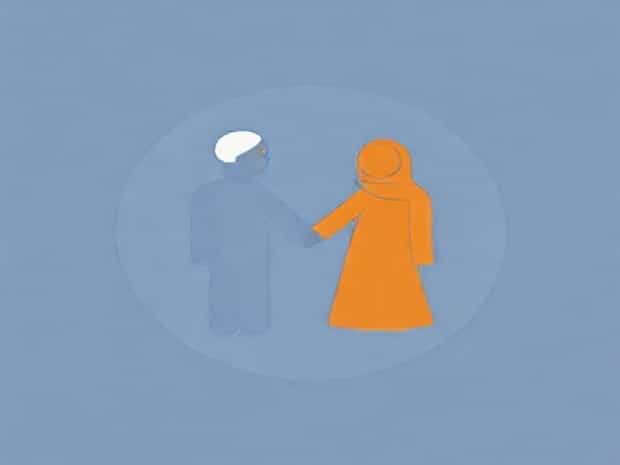
Intermarriage in Judaism is a topic that has been debated and considered carefully throughout Jewish history. The question of whether Jews are allowed to marry outside their faith touches on religious law, cultural preservation, and contemporary societal challenges. Traditionally, Judaism emphasizes the importance of maintaining religious identity and passing on Jewish heritage through marriage and family life. While perspectives may vary among Orthodox, Conservative, and Reform communities, intermarriage remains a sensitive subject due to its implications for religious continuity and communal identity.
Historical Context of Intermarriage
Historically, intermarriage has been discouraged in Judaism because it was seen as a threat to the survival and integrity of the Jewish community. Ancient Jewish texts, including the Torah, contain injunctions against marrying non-Jews, particularly in order to preserve the faith, avoid idolatry, and maintain social cohesion. Over time, these rules became part of the broader halakhic system, which guides daily life and religious practice. Throughout the diaspora, Jews often faced pressures to assimilate, making intermarriage a recurring concern for communal leaders.
Intermarriage in Jewish Law
According to traditional Jewish law, known as halakha, intermarriage is generally prohibited. The Torah explicitly forbids certain marriages with non-Jews, emphasizing the need to maintain religious and cultural purity. Orthodox Judaism strictly upholds these prohibitions, asserting that Jewish continuity depends on marrying within the faith. Conservative Judaism also discourages intermarriage but may allow some flexibility in certain circumstances, such as when the non-Jewish partner agrees to raise children in the Jewish faith. Reform Judaism tends to be more inclusive, focusing on personal choice and ethical considerations rather than strict legal prohibitions.
Impact on Jewish Identity
Intermarriage has significant implications for Jewish identity and community life. Children of interfaith marriages may face challenges in maintaining a Jewish identity, depending on how they are raised. The Jewish community has historically emphasized matrilineal descent, meaning that Jewish identity is passed through the mother. In cases where the mother is not Jewish, traditional law does not automatically recognize the children as Jewish, which can affect participation in religious rituals, education, and communal membership. Maintaining strong Jewish identity often motivates discouraging intermarriage and encouraging education, conversion, or religious observance.
Modern Trends and Intermarriage Rates
In modern times, intermarriage rates have risen, especially in Western countries where Jews live in more diverse and integrated societies. Sociological studies indicate that a significant percentage of Jews marry non-Jews, particularly in the United States and Europe. This trend has prompted Jewish organizations to develop programs aimed at strengthening Jewish identity, including outreach, interfaith dialogue, and community support for interfaith families. Some communities encourage conversion of the non-Jewish partner as a way to maintain religious continuity and provide a shared spiritual framework for the family.
Perspectives of Different Jewish Movements
Jewish denominations approach intermarriage differently, reflecting varying interpretations of tradition and modern societal realities.
Orthodox Judaism
Orthodox Judaism strictly prohibits intermarriage, maintaining that marriage must be between two Jews. Orthodox authorities emphasize adherence to halakha, the transmission of Jewish identity through matrilineal descent, and the continuity of religious observance. Intermarriage is generally discouraged, and communities often provide guidance and education to help young Jews choose partners within the faith.
Conservative Judaism
Conservative Judaism also discourages intermarriage but offers more nuanced guidance. Conservative rabbis may officiate in cases where the non-Jewish partner agrees to raise children in the Jewish faith or undergo conversion. The movement recognizes contemporary societal pressures and seeks to balance adherence to tradition with engagement and inclusion of interfaith families. Programs for interfaith couples often include education about Jewish practices, holidays, and values.
Reform Judaism
Reform Judaism takes a more inclusive approach, often focusing on the ethical and spiritual qualities of the partnership rather than strict legal requirements. Reform rabbis may officiate at interfaith weddings without requiring conversion, though they often encourage education and active participation in Jewish life. Reform communities emphasize personal choice, religious freedom, and the spiritual development of the family as central considerations in intermarriage decisions.
Challenges and Opportunities in Interfaith Marriages
Intermarriage presents both challenges and opportunities for Jewish families and communities. Challenges include differences in religious practice, cultural traditions, and family expectations. Children of interfaith marriages may face identity conflicts, especially when navigating between Jewish and non-Jewish traditions. Religious rituals, holidays, and dietary laws can require careful negotiation to maintain harmony and respect for both partners’ backgrounds.
Opportunities for Engagement and Education
Interfaith marriages also provide opportunities for dialogue, education, and community engagement. Families can introduce Jewish values, culture, and traditions to the broader society, fostering understanding and appreciation. Many Jewish organizations offer programs specifically for interfaith families, including religious education, holiday celebrations, and social support networks. These initiatives aim to strengthen Jewish identity, even in the context of diverse family backgrounds, and to ensure the continuity of Jewish traditions for future generations.
Conversion and Religious Inclusion
Conversion is a common pathway for addressing issues of intermarriage within Judaism. In cases where one partner is not Jewish, conversion to Judaism allows the couple to share a unified religious identity, facilitating the observance of rituals and the education of children within the faith. Conversion processes vary among Jewish movements, with Orthodox conversions requiring strict adherence to halakha, Conservative conversions emphasizing education and commitment, and Reform conversions focusing on personal choice and spiritual preparation.
Community Support for Interfaith Families
Communities play a crucial role in supporting interfaith families. Synagogues, educational programs, and social organizations provide resources, guidance, and mentorship to help families integrate Jewish traditions into their lives. Celebrating holidays, learning Hebrew, and participating in religious ceremonies are ways to nurture Jewish identity and strengthen communal ties. This support helps interfaith families navigate challenges while maintaining a meaningful connection to Judaism.
In Judaism, intermarriage is generally discouraged but approached differently depending on the movement and community. Orthodox Judaism strictly prohibits interfaith marriage to preserve religious law and identity, while Conservative Judaism allows for some flexibility with conversion or commitment to Jewish upbringing. Reform Judaism tends to be more inclusive, focusing on personal choice and the spiritual quality of the partnership. Intermarriage has implications for Jewish identity, community continuity, and the religious upbringing of children, making it a topic of ongoing discussion and careful consideration.
Modern Jewish communities have developed strategies to address the challenges of intermarriage, including educational programs, interfaith dialogue, and supportive initiatives for interfaith families. Conversion remains a key tool for maintaining religious unity, while inclusive approaches help engage families in Jewish life. Ultimately, intermarriage in Judaism is a complex issue that balances tradition, religious law, cultural preservation, and the realities of contemporary society, highlighting the ongoing effort to nurture Jewish identity and continuity for future generations.