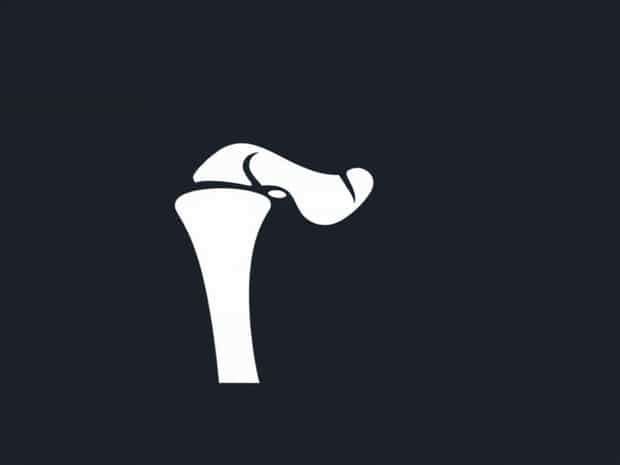
Humerus And Ulna Joint
The humerus and ulna joint, commonly referred to as the elbow joint, plays a crucial role in the mobility and function of the human arm. This joint allows for bending and straightening of the forearm, making it essential for daily activities such as lifting, pushing, pulling, and performing precise tasks. Understanding the anatomy, mechanics, and potential issues of the humerus and ulna joint is important for medical professionals, athletes, and anyone interested in maintaining healthy arm function. The interaction between the humerus, ulna, and surrounding structures determines the stability, strength, and range of motion of the elbow.
Anatomy of the Humerus and Ulna Joint
The humerus is the long bone of the upper arm, extending from the shoulder to the elbow. The ulna is one of the two bones in the forearm, running parallel to the radius from the elbow to the wrist. At the elbow, the distal end of the humerus forms two prominent structures the trochlea and the capitulum. The trochlea articulates with the ulna, forming the humeroulnar joint, while the capitulum articulates with the radius. The humeroulnar joint is primarily responsible for the hinge-like motion of the elbow, enabling flexion and extension of the forearm.
Joint Structure and Components
The humerus and ulna joint is a synovial hinge joint, allowing movement primarily in one plane. Key components include
- Articular cartilageCovers the ends of the humerus and ulna, reducing friction and absorbing shock during movement.
- Joint capsuleA fibrous structure that encloses the joint, providing stability while allowing motion.
- LigamentsMedial and lateral collateral ligaments stabilize the joint and prevent excessive sideways motion.
- Synovial membraneProduces synovial fluid to lubricate the joint and nourish the cartilage.
- BursaeFluid-filled sacs that reduce friction between muscles, tendons, and bones.
Function of the Humerus and Ulna Joint
The primary function of the humerus and ulna joint is to facilitate flexion and extension of the forearm. Flexion decreases the angle between the upper arm and forearm, allowing the hand to move toward the shoulder. Extension increases the angle, straightening the arm. This motion is essential for lifting objects, throwing, and performing various daily activities. In addition to flexion and extension, the joint works in coordination with the radius and forearm muscles to enable pronation and supination, or rotation of the forearm, although this motion occurs primarily at the radioulnar joints.
Muscles Involved in Joint Movement
Several muscles interact with the humerus and ulna joint to produce movement and maintain stability
- Biceps brachiiFlexes the elbow and assists in forearm supination.
- BrachialisLocated beneath the biceps, it is a primary flexor of the elbow.
- Triceps brachiiExtends the elbow, straightening the forearm.
- BrachioradialisAssists in flexion, especially when the forearm is in a neutral position.
Joint Stability and Support
Stability of the humerus and ulna joint is essential for efficient arm function and injury prevention. The joint’s stability is maintained by the bony structure of the trochlea fitting into the ulna, as well as the surrounding ligaments and muscles. The medial and lateral collateral ligaments resist forces that push the forearm sideways, while the joint capsule ensures that the bones remain aligned. Strong and balanced muscles around the elbow also contribute to joint stability during dynamic activities, protecting the joint from strains, sprains, and dislocations.
Common Injuries and Disorders
The humerus and ulna joint is susceptible to various injuries and conditions due to its complex movement and frequent use
- Elbow fracturesBreaks of the distal humerus or proximal ulna can severely impair motion.
- DislocationsThe joint can become dislocated, particularly from falls or sports injuries.
- Ligament sprainsMedial or lateral collateral ligament injuries are common in athletes and can cause pain and instability.
- TendinitisInflammation of tendons around the elbow, such as the biceps or triceps tendons, can affect movement.
- OsteoarthritisDegeneration of articular cartilage may occur with age, leading to stiffness and reduced range of motion.
Diagnosis and Imaging
Medical evaluation of the humerus and ulna joint often involves physical examination and imaging techniques. X-rays are commonly used to identify fractures, dislocations, and joint alignment issues. MRI or CT scans may be necessary to assess soft tissue injuries, such as ligament tears or cartilage damage. Palpation and range-of-motion tests help clinicians determine functional limitations and guide appropriate treatment plans. Early diagnosis of injuries or disorders ensures timely intervention and prevents further complications.
Treatment and Rehabilitation
Treatment for issues involving the humerus and ulna joint depends on the severity and type of injury. Minor sprains or inflammation can often be managed with rest, ice, compression, elevation, and anti-inflammatory medications. Severe injuries, such as fractures or ligament tears, may require immobilization, splinting, or surgical intervention. Rehabilitation involves physical therapy to restore strength, flexibility, and range of motion. Exercises focus on the muscles surrounding the elbow to support joint stability and prevent future injuries.
Preventing Injuries and Maintaining Joint Health
Maintaining the health of the humerus and ulna joint involves strengthening muscles, improving flexibility, and avoiding overuse. Regular exercise that targets the biceps, triceps, and forearm muscles enhances joint support. Stretching and warm-up routines before physical activity reduce the risk of strains and sprains. Proper ergonomics during work or sports, such as avoiding repetitive stress, also protects the elbow joint. Adequate nutrition, hydration, and monitoring for early signs of pain or inflammation contribute to long-term joint health.
Interesting Facts About the Elbow Joint
- The humerus and ulna joint is classified as a hinge joint, allowing primarily one plane of movement.
- The joint can bend approximately 0 to 150 degrees in a healthy adult.
- It works closely with the radius to allow complex forearm movements, including rotation.
- The joint’s stability depends on both bone structure and surrounding soft tissues, including ligaments and muscles.
- Elbow injuries are common in sports like baseball, tennis, and weightlifting due to repetitive motion.
The humerus and ulna joint is a vital component of arm function, enabling flexion, extension, and coordination with the forearm for a wide range of movements. Its complex anatomy, including bones, ligaments, muscles, and cartilage, provides both mobility and stability. Understanding the structure, mechanics, and potential issues of the humerus and ulna joint is essential for injury prevention, treatment, and rehabilitation. Maintaining joint health through exercise, stretching, and proper ergonomics ensures optimal performance and longevity, allowing the elbow joint to continue supporting daily activities and athletic endeavors effectively.