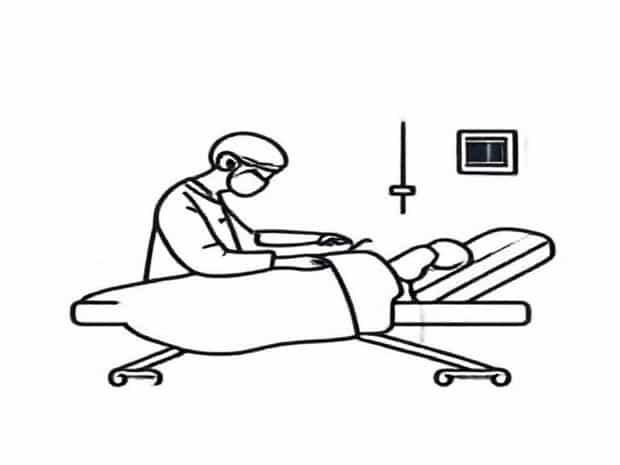
How To Become An Anesthetist
Working as an anesthetist is one of the most vital and demanding roles in healthcare. Anesthetists are medical professionals responsible for administering anesthesia during surgeries, monitoring patients’ vital signs, and ensuring their safety before, during, and after medical procedures. Learning how to become an anesthetist requires years of education, hands-on training, and strong dedication to patient care. This path combines medical knowledge, technical expertise, and the ability to remain calm in high-pressure situations. For those with an interest in medicine, physiology, and patient well-being, pursuing a career as an anesthetist can be both challenging and highly rewarding.
Understanding the Role of an Anesthetist
An anesthetist, often referred to as an anesthesiologist when fully specialized as a physician, plays a critical role in surgery and pain management. Their main duties include
- Administering general, local, or regional anesthesia
- Monitoring heart rate, blood pressure, and oxygen levels during procedures
- Adjusting anesthesia levels to keep patients stable
- Providing pain relief after surgery
- Collaborating with surgeons, nurses, and other healthcare staff
The role requires technical expertise, attention to detail, and quick decision-making skills, as patients’ lives often depend on their actions.
Educational Requirements
One of the most important steps in becoming an anesthetist is completing the necessary education. The path is long and rigorous, but it prepares you for the responsibility of working with patients in critical conditions. The process generally includes
- Bachelor’s DegreeTypically in biology, chemistry, or a pre-medical track. Strong performance in science courses is essential.
- Medical SchoolFour years of intensive education covering anatomy, physiology, pharmacology, and clinical skills.
- Residency TrainingUsually four years in anesthesiology, providing hands-on experience in hospitals and surgical centers.
- Optional FellowshipAdditional specialized training in areas like pain medicine, pediatric anesthesia, or critical care.
In some countries, nurse anesthetists follow a different path, requiring a nursing degree, clinical experience, and advanced anesthesia training.
Developing Essential Skills
Beyond formal education, aspiring anesthetists need to build personal and professional skills to succeed in the field. Important abilities include
- Strong knowledge of physiology and pharmacology
- Ability to remain calm in emergencies
- Excellent communication with patients and healthcare teams
- Attention to detail and precision
- Problem-solving and critical thinking under pressure
These qualities are often developed during medical training but must be continuously refined throughout a career.
Licensing and Certification
After completing education and residency, anesthetists must obtain a license to practice. Requirements vary by country but generally include passing medical board examinations. In some regions, board certification in anesthesiology provides additional credibility and career advancement. Nurse anesthetists also require licensing and certification, often involving national exams and clinical competency evaluations.
Training Path for Nurse Anesthetists
Not all anesthetists are physicians; many are advanced practice nurses specializing in anesthesia. The path for nurse anesthetists includes
- Becoming a registered nurse (RN) through a bachelor’s degree in nursing
- Gaining several years of critical care experience
- Completing a graduate program in nurse anesthesia, usually a master’s or doctoral degree
- Passing certification exams to become a Certified Registered Nurse Anesthetist (CRNA)
This pathway is often shorter than medical school and residency but still requires extensive training and responsibility.
Specialization Options
Anesthetists can choose to specialize in various fields, depending on their interests. Common areas include
- Pediatric AnesthesiologyFocusing on children and infants during surgery.
- Pain ManagementHelping patients with chronic pain conditions.
- Cardiac AnesthesiologyAssisting in open-heart and cardiovascular surgeries.
- Critical CareWorking in intensive care units with severely ill patients.
Specialization often requires additional fellowship training but can lead to more advanced roles and opportunities.
Work Environment and Responsibilities
Anesthetists work in hospitals, surgical centers, outpatient clinics, and sometimes in dental offices or specialized pain clinics. Their daily responsibilities include preoperative patient assessments, administering anesthesia, monitoring patients throughout procedures, and overseeing recovery. They often work long hours and may be on call for emergencies, requiring flexibility and stamina.
Challenges in the Profession
Like any demanding medical career, anesthetists face challenges. These include
- High stress levels due to life-or-death responsibilities
- Long years of education and training before practicing independently
- Irregular schedules, including nights and weekends
- Emotional strain from working with critically ill patients
Despite these challenges, many anesthetists find the profession deeply rewarding because of its impact on patient care and surgical success.
Rewards and Benefits
The rewards of becoming an anesthetist are significant. Anesthetists are among the highest-paid professionals in healthcare due to their expertise and responsibilities. Beyond salary, the profession offers
- Job stability in a high-demand field
- Opportunities for specialization and advancement
- Personal satisfaction in contributing to successful surgeries
- The ability to improve patient comfort and quality of life
These benefits make the demanding journey worthwhile for many who choose this career path.
Steps to Start the Journey
If you are considering how to become an anesthetist, here are the key steps to follow
- Focus on science and mathematics courses during high school.
- Pursue a bachelor’s degree in a pre-medical or nursing field.
- Apply to medical school or a nurse anesthesia graduate program.
- Complete residency or clinical training in anesthesiology.
- Obtain licensure and certification in your country of practice.
- Consider specialization for advanced career opportunities.
By following these steps, aspiring anesthetists can steadily work toward their goal while building the foundation needed for success.
Learning how to become an anesthetist is a demanding but rewarding journey. Whether through the path of a physician anesthesiologist or a nurse anesthetist, the role requires years of training, dedication, and a deep commitment to patient safety. With expertise in anesthesia, monitoring, and pain management, anesthetists play a crucial role in healthcare systems worldwide. For those willing to put in the effort, this career offers not only financial stability but also the satisfaction of making a direct difference in patients’ lives during critical medical procedures.