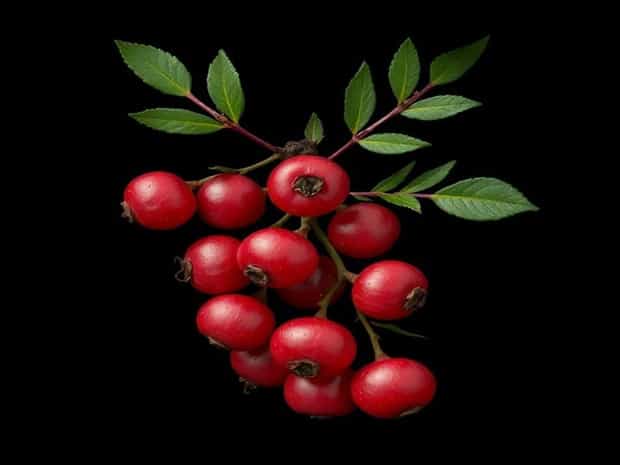
How Poisonous Are Yew Berries
Yew berries, produced by trees in the Taxus genus, are widely recognized for their bright red, fleshy appearance and association with ornamental gardens and landscapes. Despite their attractive look, these berries are highly toxic, containing potent compounds that pose serious health risks if ingested. Understanding how poisonous yew berries are, their toxic components, effects on humans and animals, and safety measures is essential for gardeners, pet owners, and anyone who may encounter these plants. The allure of their color and the natural curiosity they provoke make it crucial to be aware of their dangers and the potential consequences of ingestion.
Toxic Compounds in Yew Berries
The primary toxins in yew berries are alkaloids, particularly taxine A and taxine B. These compounds are concentrated in the seeds found inside the red arils, while the fleshy part of the berry is less toxic but still potentially harmful. Taxines interfere with the normal functioning of the heart by affecting calcium and sodium channels in cardiac muscle cells. This disruption can lead to irregular heart rhythms, cardiovascular collapse, and in severe cases, death. Additionally, other compounds in the yew plant, including glycosides and flavonoids, may contribute to toxicity, making the plant dangerous as a whole.
Distribution of Toxins
- Seeds Contain the highest concentration of taxines and are extremely toxic if chewed or crushed.
- Flesh of the berry Less toxic but can still cause symptoms if consumed in large quantities.
- Leaves and twigs Highly toxic and contain significant amounts of alkaloids.
- Entire plant All parts of the yew tree, except for the red aril flesh, are considered poisonous.
Effects on Humans
Ingesting yew berries, especially the seeds, can have severe consequences for humans. Symptoms of yew poisoning typically appear within 30 minutes to a few hours and include nausea, vomiting, abdominal pain, dizziness, and difficulty breathing. Cardiovascular effects are particularly dangerous, with taxines causing bradycardia (slow heart rate), hypotension (low blood pressure), and cardiac arrhythmias. In severe cases, this can lead to sudden cardiac arrest. Even small amounts of chewed seeds can be fatal, particularly in children, making early recognition and medical intervention crucial.
Warning Signs and Symptoms
- Nausea and vomiting
- Abdominal pain and cramping
- Dizziness and confusion
- Slow or irregular heartbeat
- Difficulty breathing or collapse in severe cases
Effects on Animals
Yew berries are also highly toxic to animals, including livestock, pets, and wildlife. Cattle, horses, sheep, and goats are particularly sensitive to taxine poisoning. Ingestion of leaves or seeds can lead to sudden death due to heart failure. Dogs and cats may also be affected if they chew on yew plants or swallow berries, with symptoms similar to those seen in humans. Birds, however, are generally able to consume the fleshy red aril without harm, as the seeds often pass through their digestive system undamaged. This selective toxicity plays a role in seed dispersal while protecting the plant from herbivores.
Animal Symptoms
- Gastrointestinal distress vomiting, diarrhea, and abdominal pain
- Cardiovascular issues irregular heartbeat, weakness, collapse
- Sudden death in severe cases, especially in livestock
- Minimal effects on birds consuming only the flesh, aiding seed dispersal
Factors Influencing Toxicity
The level of toxicity in yew berries can vary depending on the species of yew, the part of the plant, and environmental conditions. For instance, leaves generally contain higher concentrations of taxines in the winter months, while seeds remain consistently toxic throughout the year. The method of ingestion also matters chewing the seeds releases the toxic compounds, whereas swallowing them whole may reduce immediate risk, although the seeds remain dangerous if broken during digestion. Individual susceptibility, age, and body weight further influence the severity of poisoning in humans and animals.
Important Considerations
- Species variation Some yew species have higher concentrations of taxines.
- Seasonal changes Leaves may be more toxic during certain times of the year.
- Seed integrity Crushed or chewed seeds release more toxins.
- Individual factors Children, pets, and livestock are more vulnerable.
Prevention and Safety Measures
Given the high toxicity of yew berries, prevention and caution are paramount. Gardeners should plant yews away from areas accessible to children and pets. Educating people about the risks associated with ingestion is critical, particularly during autumn when berries are most visible. Proper disposal of fallen berries and pruning clippings helps minimize accidental exposure. For livestock owners, fencing off yew trees and monitoring grazing areas can prevent fatal poisoning events. Awareness of the plant’s toxic nature allows for informed handling and reduces the likelihood of accidental ingestion.
Safety Tips
- Do not consume any part of a yew tree, including berries, leaves, or seeds.
- Keep children and pets away from yew plants, particularly in gardens or parks.
- Wear gloves when pruning to avoid contact with leaves and twigs.
- Educate others about the dangers of yew berries in community and school settings.
- Remove fallen berries promptly to prevent accidental ingestion by pets or wildlife.
Treatment of Yew Poisoning
If yew berry ingestion occurs, immediate medical attention is critical. Treatment typically involves stabilizing the patient, managing symptoms, and preventing further absorption of toxins. Activated charcoal may be administered to bind residual taxines in the digestive tract, and supportive care includes monitoring heart function, intravenous fluids, and medications to manage arrhythmias. In severe cases, advanced interventions like cardiac resuscitation may be necessary. Rapid response can significantly improve the chances of recovery, highlighting the importance of awareness and early intervention in cases of yew poisoning.
Medical Response
- Immediate contact with poison control or emergency services
- Activated charcoal administration to limit absorption
- Cardiovascular monitoring and support
- Intravenous fluids to maintain circulation
- Advanced cardiac care if arrhythmias or cardiac arrest occur
Yew berries are highly poisonous due to the presence of taxine alkaloids, particularly in the seeds, and can cause severe cardiovascular, gastrointestinal, and neurological effects in humans and animals. While the fleshy red aril is less toxic, the seeds and other parts of the plant remain dangerous. Awareness of the risks, preventive measures, and prompt treatment in cases of ingestion are essential to avoid potentially fatal outcomes. By understanding how poisonous yew berries are and exercising caution in environments where these plants grow, individuals can appreciate their ornamental value while minimizing health risks and ensuring the safety of humans and animals alike.