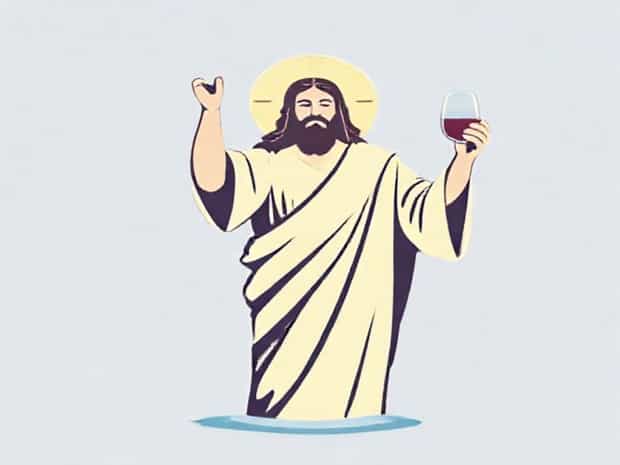
Jesus Turns Water Into Wine
The miracle of Jesus turning water into wine is one of the most remarkable events recorded in the New Testament and is widely recognized as His first public miracle. This event took place at a wedding in Cana of Galilee, where Jesus was attending with His mother Mary. The transformation of water into wine demonstrates not only His divine power but also His concern for human celebration and joy. It highlights the beginning of Jesus’ public ministry and serves as a powerful symbol of the abundance and grace that He brings into the lives of believers. This miracle continues to inspire faith, devotion, and understanding of the supernatural works of Christ.
Setting of the Miracle at Cana
The story of Jesus turning water into wine is described in John 21-11. The event occurs during a wedding feast in Cana, where families and friends gathered to celebrate. Weddings in that culture were significant social events that could last several days, and providing sufficient wine was a matter of both hospitality and honor. When the wine ran out, it could have caused embarrassment for the hosts. Mary, noticing the situation, approached Jesus and informed Him of the problem. This sets the stage for Jesus to perform His first recorded miracle, displaying both His compassion and divine authority.
Mary’s Role in the Miracle
Mary, the mother of Jesus, plays an important role in this event. By bringing the issue of the wine shortage to Jesus’ attention, she demonstrates her trust in His power to intervene. Her words, They have no wine, reflect both concern for the hosts and confidence in her son’s ability. Jesus’ response to Mary, Woman, what does this have to do with me? My hour has not yet come, indicates that the timing of His public ministry is under divine control. Nevertheless, Mary instructs the servants to do whatever Jesus tells them, showing her faith and encouraging obedience to His instructions. Her role emphasizes the importance of intercession and trust in Jesus’ wisdom.
The Miracle Water into Wine
Jesus instructs the servants to fill six stone water jars with water, each holding twenty to thirty gallons. Once the jars are filled, He tells them to draw some out and take it to the master of the feast. When the master tastes the water that has been transformed into wine, he is astonished by its quality, noting that it is superior to the wine originally served. This miraculous transformation illustrates Jesus’ power over nature and His ability to provide abundantly. It also signifies the joy and celebration that come through His presence, showing that He brings fulfillment and blessing to ordinary life events.
Symbolism in the Miracle
The miracle of turning water into wine carries deep symbolic meaning. Water, a common and essential element, is transformed into wine, symbolizing the extraordinary nature of Jesus’ power and the blessings He brings. Wine itself is a symbol of joy, abundance, and divine favor in biblical tradition. This act foreshadows the spiritual transformation Jesus brings, turning the ordinary aspects of human life into something rich and spiritually significant. The miracle also points to the coming of the new covenant, where His ministry would bring grace, salvation, and joy to the world.
Lessons from the Miracle
The story of Jesus turning water into wine offers several lessons for believers. It demonstrates the importance of faith, obedience, and awareness of God’s presence in everyday life. By following Jesus’ instructions, the servants participated in the miracle, showing that God’s power often works through human cooperation. Additionally, the miracle emphasizes that Jesus cares about human needs, celebrations, and social situations, not only spiritual concerns. His attention to the wedding hosts’ need for wine reflects His compassion and readiness to intervene in practical matters.
- Faith and ObedienceThe servants’ compliance with Jesus’ instructions shows the importance of trusting and obeying His guidance.
- Divine AbundanceThe miracle demonstrates that Jesus provides generously, exceeding human expectations.
- Joy and CelebrationJesus values human joy and participates in social celebrations, reflecting His compassion.
- TransformationOrdinary elements of life, like water, can be transformed into something extraordinary through Jesus’ power.
- Spiritual SymbolismThe miracle points to the new covenant and the blessings of salvation that Jesus brings.
Impact on Jesus’ Ministry
The miracle at Cana is significant as the first public demonstration of Jesus’ divine power. John 211 notes that This, the first of his signs, Jesus did at Cana in Galilee, and manifested his glory. And his disciples believed in him. The event strengthens the faith of His disciples and sets the tone for His ministry, which includes teaching, healing, and performing miracles to reveal God’s kingdom. This first miracle marks the beginning of a series of signs that demonstrate His authority over nature, illness, and spiritual forces.
Modern Reflections on the Miracle
Today, the story of Jesus turning water into wine continues to inspire reflection and devotion. It reminds believers that Jesus is attentive to both spiritual and practical needs. In weddings, celebrations, and everyday challenges, Christians are encouraged to invite Jesus into their lives, trusting that He can provide and transform situations. The miracle also calls believers to act in faith and obedience, recognizing that God often works through ordinary actions to bring about extraordinary results. It serves as a reminder of God’s presence, abundance, and care in all aspects of life.
Applications for Everyday Life
Believers can draw practical lessons from this miracle in their daily lives. Trusting Jesus with needs, whether large or small, invites His intervention and blessing. Being obedient to His guidance, even in seemingly simple tasks, can lead to unexpected outcomes and spiritual growth. Additionally, the story encourages Christians to value joy, community, and celebration, seeing them as opportunities to experience and share God’s blessings. Through reflection on the miracle at Cana, believers learn that faith, obedience, and awareness of God’s presence can bring transformation and abundance into everyday life.
The miracle of Jesus turning water into wine at the wedding in Cana is rich with meaning, symbolism, and lessons for believers. It reveals His divine power, compassion, and the joy He brings to human life. The transformation of water into wine points to spiritual renewal, abundant blessings, and the new covenant that Jesus established through His ministry. By examining this miracle, Christians gain insight into the importance of faith, obedience, and trust in Jesus’ guidance, learning that He cares about both spiritual and practical aspects of life. The story at Cana continues to inspire worship, devotion, and reflection, reminding believers of the transformative and abundant nature of Christ’s presence.
Ultimately, Jesus’ first miracle demonstrates that He can bring extraordinary blessings into ordinary situations. The miracle of turning water into wine encourages believers to invite Him into their lives, trust His timing, and obey His instructions. It affirms that Jesus’ ministry is marked by abundance, joy, and divine intervention, offering lessons that remain relevant for faith, devotion, and daily living today.