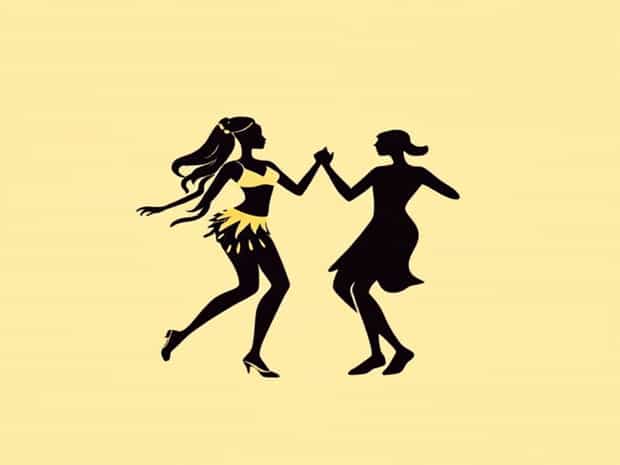
Is Samba A Dance
When people hear the word samba, many immediately think of colorful parades, rhythmic beats, and joyful dancing during Brazil’s famous Carnival. But some still wonder, is samba a dance or is it only a style of music? The truth is that samba is both a music genre and a dance form, deeply rooted in Brazilian culture. Its lively rhythm and energetic movements have made samba not just a form of entertainment but also a cultural expression recognized worldwide. To fully understand samba, it is important to explore its origins, styles, and its role in dance traditions around the world.
The Origins of Samba
Samba originated in Brazil, with strong influences from African rhythms brought by enslaved Africans during the colonial era. Over time, these rhythms merged with Portuguese and indigenous cultural elements, creating a unique sound and movement style. By the early 20th century, samba became a symbol of Brazilian identity, celebrated in music, dance halls, and later in international competitions.
Samba and Carnival
One of the most iconic connections of samba is with Carnival in Rio de Janeiro. Samba schools prepare for months to showcase elaborate parades filled with dancers, musicians, and floats. The dancers perform samba steps while dressed in colorful costumes, bringing the rhythm to life. This association has made samba an inseparable part of Brazilian festivities and global cultural recognition.
Is Samba a Dance?
Yes, samba is definitely a dance. It is characterized by fast-paced, rhythmic footwork, hip movements, and an energetic style that matches the music. While samba music provides the rhythm, samba dance interprets that rhythm through body movement. Samba is not only a social dance performed at celebrations but also a competitive ballroom dance recognized worldwide.
Basic Features of Samba Dance
- Quick steps that follow a syncopated rhythm.
- Distinctive hip action and fluid body movement.
- Energy and bounce that reflect the lively nature of the music.
- Flexibility to be danced solo, with a partner, or in large groups.
These characteristics make samba a versatile and expressive dance style that adapts to different contexts, from street festivals to professional competitions.
Different Styles of Samba Dance
Samba has evolved into various styles over time, reflecting its cultural adaptability. Each version retains the spirit of samba but differs in rhythm, movement, and performance style.
Popular Samba Styles
- Samba no PéA solo style often performed during Carnival parades, characterized by fast footwork and lively energy.
- Samba de GafieiraA partner dance style popular in Brazilian dance halls, similar in structure to ballroom dancing but with a unique Brazilian flair.
- Samba AxéA modern variation influenced by pop and Afro-Brazilian styles, often danced in fitness and performance settings.
- Ballroom SambaA competitive style that has become part of international ballroom dance, blending traditional samba rhythm with structured choreography.
Samba in Ballroom Dance
In the world of ballroom dance, samba is recognized as one of the Latin dances. It is performed in international competitions and follows specific rules and patterns. Ballroom samba is slightly different from traditional Brazilian samba, as it has been adapted for structured partner dancing, but it still captures the essence of the rhythm. Dancers perform characteristic bounce actions, rolling hip movements, and dynamic turns that make samba exciting to watch.
Elements of Ballroom Samba
- Distinctive samba bounce action,” created by knee and hip movements.
- Partnership coordination with synchronized steps and turns.
- Choreography that combines rhythm, elegance, and energy.
This version of samba highlights how the dance has been embraced and transformed on a global scale while keeping its Brazilian spirit alive.
The Cultural Importance of Samba Dance
Samba is more than just a dance it is a symbol of cultural pride for Brazil. It represents resilience, creativity, and the blending of diverse traditions. For many Brazilians, learning samba is part of their identity, and dancing it is a way to celebrate heritage. Internationally, samba has become a symbol of joy, energy, and freedom of movement, often associated with celebrations and festivals.
Why Samba Is Loved Worldwide
Samba has grown far beyond its Brazilian roots because of its infectious rhythm and exciting dance style. People around the world are drawn to it for different reasons
- AccessibilitySamba steps can be simple enough for beginners yet complex enough for professionals to master.
- Fitness BenefitsThe fast pace and full-body movements make samba a great form of exercise.
- Cultural AppealSamba connects people to the vibrant energy of Brazilian culture.
- VersatilityIt can be performed solo, with a partner, or as part of a group, fitting various social and professional contexts.
Learning Samba
Today, samba is taught in dance studios worldwide. Beginners often start with basic steps that focus on rhythm and coordination before advancing to more complex movements. Samba classes usually emphasize both technique and expression, allowing dancers to not only master the steps but also feel the energy of the music. Many people find learning samba enjoyable because it combines exercise, social interaction, and cultural appreciation.
Samba and Music Connection
It is impossible to separate samba dance from samba music. The syncopated rhythms, percussion instruments, and lively melodies of samba music directly influence how the dance is performed. Instruments like the surdo drum, tamborim, and cavaquinho create the foundation for samba rhythms. Dancers respond to this beat with quick, precise, and joyful movements that embody the spirit of samba.
Key Musical Elements That Influence the Dance
- Strong rhythmic base driven by percussion instruments.
- Syncopated beats that encourage playful footwork.
- Lively melodies that inspire expressive and energetic dancing.
So, is samba a dance? The answer is a resounding yes. Samba is not only a vibrant style of music but also a lively and dynamic dance form that has captured hearts around the world. From its African and Brazilian roots to its modern presence in ballroom competitions and international festivals, samba continues to thrive as both a cultural expression and an art form. Its rhythm, movement, and spirit make it more than just a dance it is a celebration of life itself. Whether performed in Carnival parades, dance studios, or international stages, samba remains one of the most joyful and recognizable dances in the world.