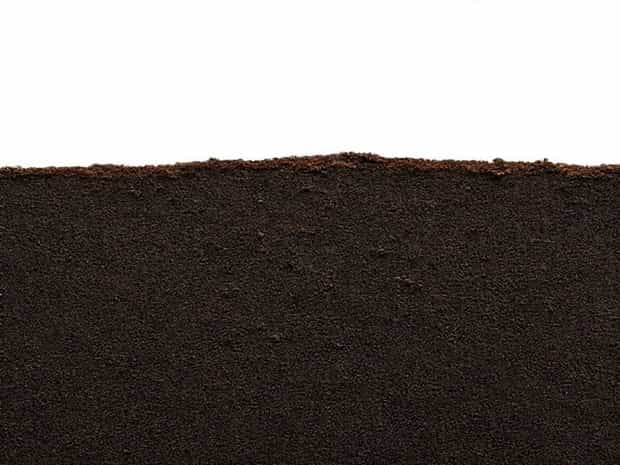
Information About Clayey Soil
Clayey soil is a type of soil that contains a high proportion of fine mineral ptopics known as clay. It is one of the most common soil types found around the world and is notable for its unique physical properties, including high plasticity, water retention capacity, and nutrient-holding ability. Understanding information about clayey soil is important for agriculture, construction, gardening, and environmental studies. Its characteristics influence how it behaves under different weather conditions, how plants grow in it, and how it can be managed for sustainable land use.
Characteristics of Clayey Soil
Clayey soil has several distinct features that make it different from sandy or loamy soils. It is dense, compact, and sticky when wet, but becomes hard and cracked when dry. The fine texture of clay ptopics allows the soil to hold water effectively, making it prone to waterlogging in areas with heavy rainfall. Clayey soil is also rich in minerals, which makes it fertile for certain types of crops. However, its poor drainage and tendency to compact can pose challenges for construction and root penetration.
Physical Properties
The physical properties of clayey soil determine its suitability for various uses. Some key aspects include
- Ptopic SizeClay ptopics are extremely fine, usually less than 0.002 millimeters in diameter.
- Water RetentionHigh water-holding capacity due to the small spaces between ptopics.
- PlasticityClayey soil becomes moldable when wet, which is useful in pottery and construction materials.
- Shrink-Swell BehaviorClay expands when wet and contracts when dry, which can affect building foundations.
Chemical Properties
Clayey soil is chemically active due to its high cation exchange capacity (CEC), which allows it to retain and supply nutrients to plants. The soil often contains essential minerals like calcium, magnesium, potassium, and iron. Its ability to hold nutrients makes it suitable for agriculture, especially for crops that require a steady supply of minerals. However, high clay content can also lead to soil acidity or alkalinity, depending on the local geology and water chemistry.
Advantages of Clayey Soil
Clayey soil has several benefits when managed correctly. Its fertility and water-holding capacity make it ideal for agriculture in regions with limited rainfall. It can support the growth of crops such as rice, wheat, and sugarcane. The soil’s structure also allows it to act as a natural barrier to erosion and nutrient loss. In construction, clayey soil is used in making bricks, tiles, and ceramics due to its plasticity and ability to harden when fired or dried.
Disadvantages of Clayey Soil
Despite its advantages, clayey soil presents certain challenges
- Poor drainage can lead to waterlogging, affecting plant roots and building foundations.
- It is prone to cracking during dry periods, which can damage crops and infrastructure.
- Clayey soil is heavy and difficult to till, requiring more labor and energy for cultivation.
- Its shrink-swell behavior can cause instability in roads, buildings, and pipelines if not properly managed.
Uses of Clayey Soil
Clayey soil is utilized in various sectors due to its unique properties. In agriculture, it is suitable for growing crops that require moisture and nutrients. Gardeners often amend clayey soil with organic matter to improve aeration and drainage. In construction, clayey soil is a primary material for brick-making, pottery, and ceramic production. Its impermeability is also advantageous for lining ponds, dams, and canals. Understanding the specific characteristics of clayey soil ensures that it can be used effectively for both agricultural and industrial purposes.
Management and Improvement
Managing clayey soil involves improving its structure, aeration, and drainage. Common techniques include
- Adding organic matter such as compost or manure to enhance fertility and reduce compaction.
- Incorporating sand or coarse ptopics to improve drainage and reduce stickiness.
- Using raised beds in gardening to prevent waterlogging.
- Regularly tilling the soil when it is neither too wet nor too dry to maintain aeration.
Proper management ensures that clayey soil remains productive for agriculture while reducing issues related to waterlogging and compaction.
Environmental Significance
Clayey soil plays an important role in ecosystems. Its water retention helps maintain groundwater levels and provides a habitat for microorganisms and soil fauna. The soil also acts as a natural filter, trapping sediments and pollutants from surface runoff, thereby protecting water quality in rivers and lakes. In wetlands, clayey soil contributes to biodiversity by supporting plant species adapted to saturated conditions and providing breeding grounds for aquatic animals.
Clayey Soil in Urban and Rural Areas
In urban areas, clayey soil can pose challenges for construction due to its shrink-swell properties and poor drainage. Engineers often conduct soil tests and use specialized foundation techniques to ensure stability. In rural and agricultural areas, clayey soil requires careful management to prevent waterlogging and enhance fertility. Cover crops, crop rotation, and soil amendments are commonly employed to maintain productivity and reduce erosion. Balancing the advantages and limitations of clayey soil is key for sustainable land use and urban planning.
Clayey soil is a versatile and important soil type with unique physical and chemical properties. Its fine ptopics, high water retention, and nutrient-holding capacity make it valuable for agriculture, gardening, and construction. However, it also presents challenges such as poor drainage, compaction, and shrink-swell behavior. Understanding information about clayey soil, including its characteristics, advantages, disadvantages, and management techniques, is essential for maximizing its potential while minimizing risks. Proper care and utilization of clayey soil can contribute to sustainable agriculture, environmental conservation, and effective land use planning, highlighting its significance in both natural and human-modified landscapes.