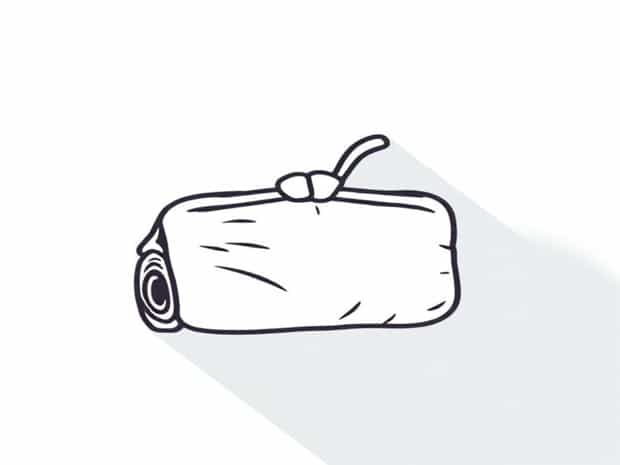
How To Tie A Bedroll
When preparing for camping, hiking, or even a simple overnight trip outdoors, knowing how to tie a bedroll is an essential skill. A well-tied bedroll ensures that your sleeping gear stays compact, clean, and easy to carry. For outdoor enthusiasts, soldiers, or even historical reenactors, the method of rolling and securing a bedroll has practical value. It prevents bedding from unrolling, saves space in your pack, and makes travel more organized. Understanding how to tie a bedroll properly also adds confidence when heading out into nature, ensuring you are prepared for various environments and conditions.
What is a Bedroll?
A bedroll is a compact bundle made by rolling up a blanket, sleeping bag, or bedding into a cylindrical shape. Traditionally, bedrolls were used by cowboys, soldiers, and travelers before modern sleeping bags became popular. Today, the concept remains valuable for outdoor activities where simplicity and efficiency matter. A bedroll can be as basic as a blanket tied with rope or as elaborate as a sleeping bag wrapped with waterproof material for protection.
Why Tie a Bedroll?
The importance of tying a bedroll properly cannot be overstated. Some key reasons include
-
PortabilityA tied bedroll is easier to carry, strap to a backpack, or secure to a saddle or bike.
-
ProtectionTying keeps the bedding compact and prevents dirt, moisture, or debris from entering.
-
Space-savingA properly rolled and tied bedroll takes up less space compared to loosely folded bedding.
-
DurabilityThe roll keeps the fabric in better condition by preventing it from dragging or snagging.
Materials Needed to Tie a Bedroll
Before learning the steps, gather the necessary items. While tying a bedroll is simple, having the right materials makes the process smoother.
-
A blanket, sleeping bag, or bedding
-
A ground cloth or tarp for added protection
-
Rope, paracord, or leather straps
-
Optional items like bungee cords or canvas covers
Step-by-Step Guide on How to Tie a Bedroll
Learning how to tie a bedroll involves a systematic approach. Follow these steps to achieve a secure and neat roll.
Step 1 Lay Out Your Bedding
Find a clean surface and spread out your tarp or ground cloth. Place your blanket or sleeping bag flat on top of it. Using a ground cloth adds an extra layer of protection against moisture and dirt, which is especially important in outdoor environments.
Step 2 Fold for Compactness
If your blanket or sleeping bag is wide, fold it lengthwise so that it is narrower. This will make the rolling process easier and create a more compact final bedroll. The fold also helps balance the thickness across the roll.
Step 3 Start Rolling Tightly
Begin at one end and roll tightly towards the other side. The tighter the roll, the smaller and more manageable your bedroll will be. Avoid leaving gaps or loose folds, as they make the bedroll bulky and uneven. Take your time to ensure a smooth and compact shape.
Step 4 Secure with Rope or Straps
Once rolled, use rope, paracord, or leather straps to tie the bedroll. Wrap the rope around the roll in at least two places near the ends and possibly one in the middle for extra security. Tie strong knots such as a square knot or a double half hitch to prevent slipping.
Step 5 Attach for Carrying
If you plan to carry the bedroll on your back or bike, make sure the ropes or straps form loops that can attach easily. For hiking, you can strap the bedroll to the bottom of a backpack. For horseback or bike travel, attach it securely so it does not shift while moving.
Different Methods of Tying a Bedroll
There is no single way to tie a bedroll. Depending on your gear and needs, you can use different methods to secure it.
Traditional Cowboy Roll
In this method, bedding is placed on a canvas tarp, rolled tightly, and tied with leather straps. Cowboys often carried additional essentials inside the roll, such as a jacket or spare clothes, making it multifunctional.
Military Roll
Used by soldiers, this roll focuses on compactness and uniformity. The bedding is rolled as tightly as possible, with ropes tied firmly to ensure it can withstand travel and field conditions.
Backpacker Roll
Backpackers often use lightweight materials such as paracord or bungee cords. The focus is on portability, ensuring the bedroll attaches securely to a backpack without adding unnecessary bulk.
Tips for Tying a Bedroll Effectively
To make the most of your bedroll, consider these practical tips
-
Always roll on a clean and flat surface to avoid trapping debris inside.
-
Use waterproof materials like a tarp to protect your bedding from rain or damp ground.
-
Roll as tightly as possible to reduce size and improve portability.
-
Check knots for security, especially if traveling long distances.
-
Experiment with different knots and tying methods to find what works best for you.
Common Mistakes When Tying a Bedroll
While tying a bedroll is simple, beginners often make mistakes that can affect comfort and convenience.
-
Rolling too looselyThis results in a bulky, unstable bedroll that unravels easily.
-
Using weak knotsKnots that slip can cause the roll to fall apart during travel.
-
Skipping waterproofingWithout a tarp or cover, bedding can get wet and uncomfortable.
-
OverpackingAdding too many items inside the roll makes it heavy and difficult to manage.
Practical Uses of a Bedroll
Beyond camping and hiking, a tied bedroll has many practical applications. It can be used during outdoor festivals, survival situations, military training, or even as emergency bedding for unexpected overnight stays. For minimalist travelers, a bedroll offers a lightweight and versatile sleeping option without the bulk of modern gear.
Knowing how to tie a bedroll is a valuable skill for outdoor enthusiasts, adventurers, and anyone interested in practical survival techniques. By learning the proper steps laying out bedding, folding, rolling tightly, and securing with rope you can create a compact, durable, and portable bedroll. Different methods, from cowboy styles to military rolls, show that this practice has a long and useful history. With the right approach and a few simple materials, you can ensure your bedding stays clean, protected, and easy to carry, making every outdoor journey more comfortable and organized.