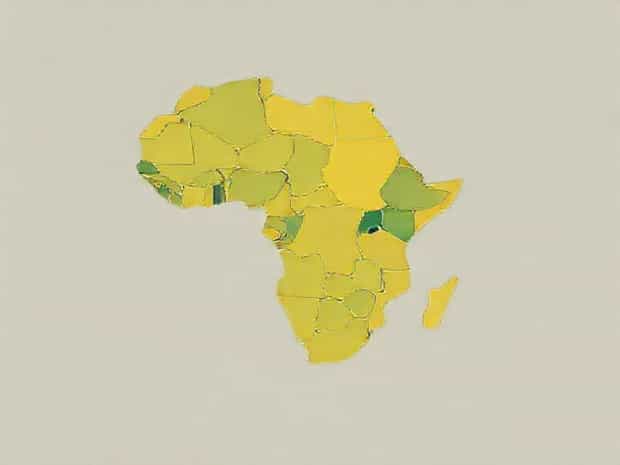
How Many Anglophone Countries In Africa
Africa is a linguistically diverse continent, home to thousands of languages, including Arabic, French, Portuguese, Swahili, and English. Among these, English plays a significant role as a primary or official language in several African countries, reflecting the continent’s colonial history and contemporary global interactions. Understanding how many Anglophone countries exist in Africa provides insight into the political, economic, and educational frameworks where English is used as a medium of communication. Anglophone countries are those where English serves as an official language, used in government, education, business, and media. This linguistic landscape affects trade, diplomacy, and cultural exchange across the continent.
Definition of Anglophone Countries in Africa
Anglophone countries in Africa are nations where English is recognized as an official or primary language for administration, legal matters, and education. These countries were mostly former British colonies, where English was established during the colonial period and maintained after independence. In addition to English, many of these nations have multiple indigenous languages spoken by different ethnic groups. English serves as a unifying medium that facilitates communication across diverse populations and regions. The presence of English also influences international relations, as these countries often participate in global organizations and trade using English as a common language.
Historical Context
The spread of English in Africa is closely tied to British colonial expansion in the 19th and early 20th centuries. Colonies such as Nigeria, Ghana, Kenya, and Uganda adopted English for administration and governance, replacing or supplementing local languages. After gaining independence, most of these countries retained English as an official language to maintain administrative continuity and enable international trade. The legacy of British education systems, legal structures, and media has further reinforced the use of English, making it an important tool for national development and global connectivity.
List of Anglophone Countries in Africa
There are approximately 24 Anglophone countries in Africa. These nations have English as either the sole official language or one of several official languages. Some of the most prominent Anglophone countries include
- NigeriaThe most populous country in Africa, with English as its official language used in government, education, and business.
- GhanaA West African country where English is the official language and is widely used in education and media.
- KenyaIn East Africa, English is used alongside Swahili as an official language for administration and communication.
- UgandaEnglish serves as the official language for government, education, and international relations.
- South AfricaOne of the most linguistically diverse countries, with English as one of eleven official languages.
- ZambiaEnglish is the official language used in schools, government, and legal systems.
- ZimbabweEnglish is the official language, alongside Shona and Ndebele, and is commonly used in education and administration.
- MalawiEnglish is the official language for governance and education, with Chichewa widely spoken locally.
- Sierra LeoneEnglish is the official language, while Krio serves as a lingua franca among citizens.
- CameroonA bilingual country with English and French as official languages, with English dominant in the Anglophone regions.
Other Anglophone countries in Africa include Botswana, Lesotho, Swaziland (Eswatini), The Gambia, Liberia, Mauritius, Seychelles, Namibia, and South Sudan. Each of these nations has retained English due to historical, administrative, and educational reasons, enabling effective governance and international engagement.
Significance of English in African Countries
English plays a crucial role in the economic, educational, and political spheres of Anglophone African countries. In education, English is often the medium of instruction in schools and universities, allowing students to access global knowledge, research, and technology. Economically, English facilitates trade, investment, and communication with international markets. Politically, it serves as a neutral language in multi-ethnic countries, helping to bridge linguistic divides and unify citizens under a common administrative language. The importance of English in governance, media, and diplomacy cannot be overstated, as it connects these countries to regional and global networks.
Challenges and Opportunities
While English offers numerous advantages, Anglophone countries in Africa face challenges related to linguistic diversity. Many citizens speak multiple indigenous languages, and not all have proficiency in English, which can create disparities in education and access to government services. Additionally, reliance on English can sometimes overshadow local languages and cultural heritage. However, the presence of English also presents opportunities, enabling participation in global markets, international collaboration, and cultural exchange. Governments often balance the use of English with the promotion of local languages to preserve cultural identity while fostering global engagement.
Regional Influence and Collaboration
Anglophone countries in Africa often collaborate through regional organizations and initiatives, using English as a common language. The Commonwealth of Nations is a key example, as many African members participate in political, educational, and economic programs using English as a working language. This shared linguistic framework facilitates diplomacy, trade agreements, and cultural exchanges among member states. In addition, regional educational programs, scholarships, and conferences often operate in English, enhancing cooperation and knowledge sharing across Anglophone Africa.
Impact on Media and Communication
English significantly shapes media, journalism, and communication in Anglophone African countries. Newspapers, radio, and television programs frequently use English to reach wide audiences, while online content and social media platforms rely on English to connect with global users. This broad use of English helps disseminate information, raise awareness on social issues, and enable public participation in national and international discourse. English also allows African voices to be heard in global media, contributing to the continent’s representation on the world stage.
There are approximately 24 Anglophone countries in Africa, each with English serving as an official or primary language for government, education, and international communication. These countries include Nigeria, Ghana, Kenya, Uganda, South Africa, Zambia, Zimbabwe, Malawi, Sierra Leone, Cameroon, Botswana, Lesotho, Eswatini, The Gambia, Liberia, Mauritius, Seychelles, Namibia, and South Sudan, among others. The use of English reflects historical British colonial influence and continues to play a vital role in economic development, education, governance, and regional collaboration. While challenges exist, such as balancing English with local languages, the opportunities provided by English in Africa are substantial.
Understanding the number of Anglophone countries in Africa and their linguistic significance helps illuminate the continent’s complex colonial history, cultural diversity, and modern integration into global networks. English serves not only as a tool for communication but also as a bridge connecting Africa to international markets, education, and diplomatic platforms. As Anglophone countries continue to develop and collaborate, English remains a central feature in shaping Africa’s political, economic, and cultural landscape.