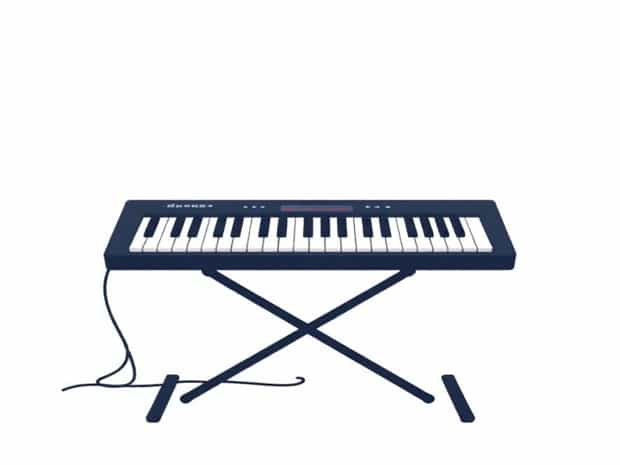
Keyboard Stand For Gigging
For musicians who perform live, having a reliable keyboard stand is essential for comfort, stability, and overall stage presence. A keyboard stand for gigging needs to balance portability with strength, providing support for different types of keyboards while withstanding the rigors of frequent setup and teardown. Choosing the right stand can improve performance by allowing optimal playing height, proper posture, and ease of access to controls. Understanding the various types of stands, their features, and considerations for live performances ensures that musicians can focus on their music without worrying about equipment failure or instability.
Types of Keyboard Stands
There are several types of keyboard stands suitable for gigging, each with unique advantages depending on the musician’s needs, keyboard size, and stage environment. Selecting the right type ensures safety, comfort, and efficient use of space.
X-Style Keyboard Stands
X-style stands are among the most common for live performances due to their simplicity and affordability. They feature a collapsible design that forms an X shape, offering basic height adjustment and easy transport. These stands are ideal for lightweight to medium keyboards and are favored by gigging musicians who prioritize quick setup.
- Lightweight and portable
- Easy to adjust height
- Quick folding for transport
- Best for lightweight keyboards
Z-Style Keyboard Stands
Z-style stands provide more stability than X-style stands, with a design that resembles the letter Z when viewed from the side. These stands often allow better weight distribution and are suitable for heavier keyboards or workstations. Many models also include multiple height adjustments and foldable designs for portability.
- Strong and stable for heavier keyboards
- Height adjustments for ergonomic playing
- Foldable design for transport
- Good for gigging keyboards with built-in stands
Single-Brace or Column Stands
Single-brace stands feature a central support column and a base with adjustable arms. These stands often allow precise height and tilt adjustments, making them ideal for professional setups where ergonomics and positioning are critical. While they are generally less portable than X-style stands, they provide superior support for larger keyboards.
- Adjustable height and tilt
- Supports heavy keyboards securely
- Stable for stage use
- Less compact but more durable
Multi-Tier Stands
Multi-tier stands allow musicians to stack multiple keyboards vertically, which is especially useful for gigging performers who use a variety of instruments during a show. These stands can handle one or more keyboards on separate levels and provide robust support for larger setups.
- Supports multiple keyboards
- Adjustable tiers for ergonomic placement
- Best for complex live performances
- Requires careful setup and transport planning
Key Features to Consider
When selecting a keyboard stand for gigging, certain features are critical to ensure safety, comfort, and efficiency during live performances. Paying attention to these aspects helps prevent accidents, fatigue, and equipment damage.
Weight Capacity
The stand must support the keyboard’s weight without wobbling or bending. Checking the manufacturer’s weight rating ensures that the stand can handle the instrument safely, particularly for heavier digital pianos or workstations.
Height Adjustability
Height-adjustable stands allow musicians to maintain proper posture, reducing strain on the back and shoulders during long gigs. Adjustable arms and tilting options enhance ergonomics and provide flexibility for different playing styles and stage setups.
Portability and Setup
Gigging often involves transporting equipment between venues, so portability is crucial. Lightweight materials, foldable designs, and quick-release mechanisms make setup and teardown faster and more efficient, saving valuable time before and after shows.
Stability and Durability
Stage performances can be dynamic, so stability is essential to prevent the keyboard from sliding or tipping. Rubberized feet, reinforced joints, and sturdy frames ensure the stand remains steady even during energetic performances. Durability ensures that the stand withstands repeated use over months or years.
Compatibility with Accessories
Some keyboard stands offer additional features like mount points for sheet music holders, sustain pedals, or laptops. Considering accessory compatibility allows musicians to customize their setup for convenience and efficiency on stage.
Tips for Choosing the Right Stand
Choosing the perfect keyboard stand requires understanding both your instrument and your performance environment. Consider the following tips to make an informed decision
Assess Your Keyboard Size and Weight
Measure the dimensions and weight of your keyboard to ensure the stand can accommodate it safely. Oversized keyboards require reinforced stands, while smaller synthesizers may work well with lightweight X-style designs.
Evaluate Your Stage Environment
Consider the type of venues you typically perform in. Outdoor stages, cramped indoor settings, or multiple-tier setups may necessitate specific stand features like folding designs, adjustable tiers, or extra-wide bases for stability.
Check for Portability Needs
If you frequently move between venues, prioritize lightweight and foldable stands that can fit into carrying cases or vehicles easily. Quick setup and teardown can save time and reduce stress before performances.
Test Stability and Ergonomics
Whenever possible, try out stands in-store or read reviews from other gigging musicians. Stability, comfort, and ease of adjustment are crucial for long-term use and preventing fatigue during performances.
Maintenance and Safety Tips
Proper maintenance of a keyboard stand ensures it lasts longer and remains safe during gigs. Regular inspection, cleaning, and careful handling can prevent accidents and damage to both the stand and the keyboard.
Inspect Joints and Screws
Periodically check that all joints, screws, and locking mechanisms are secure. Loose components can cause instability and potential accidents during performances.
Keep Feet and Base Clean
Dust or debris on rubber feet can reduce stability. Cleaning the base regularly maintains grip and prevents sliding on smooth stage floors.
Avoid Overloading
Never exceed the stand’s weight capacity. Overloading can cause bending, tipping, or complete failure, risking damage to your instrument.
Choosing the right keyboard stand for gigging is critical for any musician who performs live. With options ranging from lightweight X-style stands to heavy-duty multi-tier setups, understanding the needs of your instrument, stage environment, and performance style is key. Stability, portability, adjustability, and compatibility with accessories are all important factors that affect both comfort and safety. Investing in a high-quality stand not only protects your keyboard but also enhances your performance by providing optimal ergonomics and reliability. By carefully evaluating features and considering personal requirements, gigging musicians can select a keyboard stand that meets their professional demands and contributes to successful live performances.