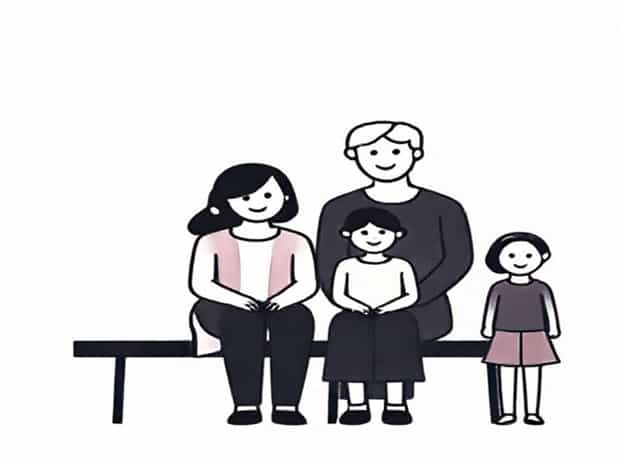
Joint Family In Sociology
The concept of a joint family holds a significant place in sociology as it represents one of the earliest and most traditional forms of social organization. A joint family consists of multiple generations living together under a single household, sharing resources, responsibilities, and decision-making processes. Unlike nuclear families, which consist only of parents and their children, joint families often include grandparents, uncles, aunts, and cousins. This family structure has historically been common in agrarian and collectivist societies where cooperation, shared labor, and mutual support were essential for survival. In sociology, studying joint families provides insight into social cohesion, cultural traditions, economic interdependence, and the dynamics of authority and responsibility within extended kinship networks.
Definition and Characteristics of Joint Family
In sociology, a joint family is defined as a social unit in which several generations live together and maintain close interpersonal and economic ties. Members of a joint family typically share income, property, and household duties, creating a system of collective living that contrasts sharply with individualistic living arrangements common in modern urban societies. Key characteristics of joint families include
Shared Resources
One of the defining features of a joint family is the pooling of resources. All members contribute to the household, whether through earning income, performing domestic work, or managing family property. This collective approach provides economic security and reduces financial burdens on individual members.
Multi-Generational Living
Joint families often include grandparents, parents, children, and sometimes even great-grandparents. The presence of multiple generations allows for the transmission of cultural values, traditions, and knowledge, creating a sense of continuity and stability within the family unit.
Authority and Hierarchy
Joint families are typically structured around a clear hierarchy. Elders, such as grandparents or senior members, often hold authority and make important decisions related to finances, marriage, and family welfare. This hierarchical structure reinforces respect, discipline, and the maintenance of social norms within the household.
Functions of Joint Family in Society
The joint family serves multiple functions in society, which sociologists often classify into economic, social, and psychological dimensions. Each function contributes to the stability and cohesion of the family and, by extension, society as a whole.
Economic Functions
- Pooling income and resources for collective use reduces financial risk for individual members.
- Shared responsibilities in household work and child-rearing decrease the economic burden on any single member.
- In agrarian or rural contexts, joint families facilitate cooperative labor, increasing productivity and ensuring survival.
Social Functions
- Joint families transmit cultural values, religious beliefs, and traditions across generations.
- They provide a network of social support that can assist members in times of crisis, illness, or financial difficulty.
- Marriage and kinship networks are reinforced through the collective decision-making of elders.
Psychological Functions
- Joint families offer emotional support and companionship, reducing feelings of isolation.
- Children benefit from the guidance and mentorship of multiple adults, which can promote social development and learning.
- Older family members receive care and attention, fostering a sense of purpose and belonging.
Types of Joint Family
Joint families can vary based on the number of members, the degree of centralization, and cultural context. Sociologists generally categorize joint families into several types to better understand their structure and dynamics.
Patriarchal Joint Family
In patriarchal joint families, authority rests primarily with the eldest male member. He oversees family decisions, finances, and social obligations. This type of joint family is common in many traditional societies where male dominance and lineage are culturally emphasized.
Matriarchal Joint Family
Less common than patriarchal families, matriarchal joint families place authority in the hands of the eldest female member. Women in these households may control finances, property, and decision-making, reflecting societies where matrilineal inheritance or female leadership is significant.
Composite Joint Family
Composite joint families consist of multiple nuclear families living together and functioning as a single unit. While each nuclear family may maintain a degree of independence, resources, labor, and decision-making are shared for collective welfare.
Advantages of Joint Family
Joint families offer numerous benefits that contribute to social, economic, and emotional well-being. Sociologists note that these advantages make the joint family structure resilient and culturally significant.
Economic Security
Pooling resources and sharing expenses reduce financial stress on individual members. Economic cooperation allows joint families to invest in property, education, or business ventures more effectively than smaller nuclear units.
Support System
Joint families provide a robust support network. Emotional, social, and financial support is readily available, which is particularly important during crises such as illness, unemployment, or bereavement.
Preservation of Culture and Traditions
The presence of multiple generations ensures that cultural practices, rituals, and values are passed down. Children learn from elders, reinforcing societal norms and maintaining continuity across generations.
Challenges of Joint Family
Despite its benefits, joint family life can also present challenges. Conflicts may arise due to differences in opinions, generational gaps, or unequal distribution of responsibilities. Understanding these challenges is essential for sociologists studying family dynamics and social change.
Conflict and Disputes
Living with multiple generations and extended family members can lead to disagreements over finances, household duties, and personal choices. Resolving conflicts requires communication, negotiation, and adherence to family norms.
Lack of Privacy
Joint families often struggle with limited personal space, which can impact individual autonomy. Members may feel constrained in their personal decisions due to collective living arrangements and social expectations.
Decision-Making Challenges
With many members involved, decision-making can be slow and cumbersome. Conflicting interests or hierarchical authority may complicate the process, requiring compromise and mediation.
Joint Family in Modern Society
While industrialization, urbanization, and modernization have led to a rise in nuclear families, joint families continue to exist and adapt in contemporary society. They often provide solutions to modern challenges, such as childcare, elder care, and economic pressures. Sociologists observe that joint families persist in rural areas and collectivist cultures, while urban joint families may be smaller or more flexible in structure.
Adaptations and Transformations
- Urban joint families may adopt semi-independent living arrangements while maintaining shared responsibilities.
- Technological advances and remote communication allow family members to stay connected even if physically separated.
- Joint families may integrate modern values, such as gender equality and shared decision-making, while preserving traditional support systems.
In sociology, the study of joint families provides valuable insights into social organization, cultural continuity, and human cooperation. Joint families represent a complex system where multiple generations live together, share resources, and maintain hierarchical structures. They offer economic security, emotional support, and a means of preserving traditions, while also presenting challenges such as conflicts and limited privacy. Despite changes brought by modernization, the joint family remains a relevant and adaptable institution in many societies. Understanding the joint family in sociology helps illuminate broader patterns of social life, intergenerational relationships, and the ways in which human beings organize themselves to meet economic, social, and emotional needs.