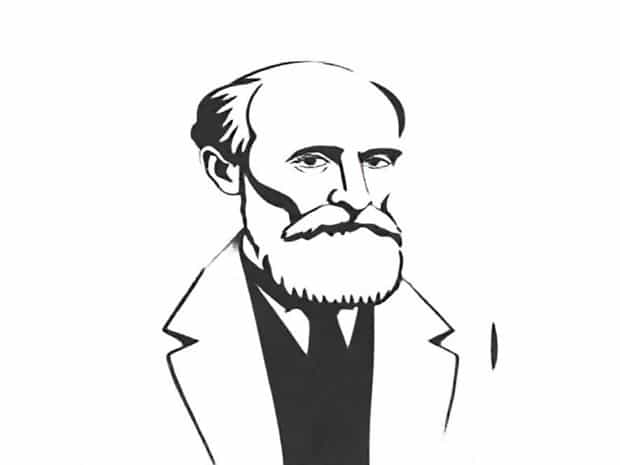
John Stuart Mill Utilitarianism Summary
John Stuart Mill, one of the most influential philosophers of the 19th century, made a lasting impact on ethics, political philosophy, and social theory. Among his many contributions, Mill’s development and defense of utilitarianism remains central to understanding modern moral philosophy. Utilitarianism, the ethical theory that actions are right if they promote the greatest happiness for the greatest number, was refined and expanded by Mill in his seminal work Utilitarianism” published in 1863. This summary explores the key principles, arguments, and implications of Mill’s utilitarian philosophy, providing an accessible guide to one of the most important ethical frameworks in Western thought.
Background and Influences
John Stuart Mill was born in London in 1806 and was educated rigorously by his father, James Mill, who was a follower of the philosopher Jeremy Bentham. Bentham is often considered the founder of modern utilitarianism, and his principle of “the greatest happiness of the greatest number” greatly influenced Mill. However, Mill expanded upon Bentham’s ideas, addressing some criticisms and developing a more nuanced understanding of pleasure, happiness, and moral reasoning. His philosophical work reflects a combination of empirical observation, rational analysis, and concern for social reform.
Core Principles of Utilitarianism
At its core, utilitarianism evaluates actions based on their consequences, specifically whether they maximize overall happiness. Mill distinguishes between higher and lower pleasures, arguing that intellectual, moral, and aesthetic pleasures hold greater value than mere physical or sensual satisfaction. According to Mill, the quality of pleasure must be considered alongside quantity, challenging the simplistic interpretations of utilitarianism that focus solely on maximizing units of pleasure.
Happiness as the Ultimate Goal
Mill asserts that happiness is the only intrinsic good, meaning that all other things are valuable only insofar as they contribute to happiness. This principle, known as the “Greatest Happiness Principle,” suggests that ethical decisions should aim to promote the well-being of individuals and society as a whole. In this framework, the moral worth of an action is determined by its effectiveness in producing happiness and minimizing suffering.
Higher and Lower Pleasures
One of Mill’s major contributions to utilitarian thought is the distinction between higher and lower pleasures. Higher pleasures engage the mind, cultivate virtue, and develop intellectual capacities, while lower pleasures appeal only to basic physical desires. Mill argues that educated and experienced individuals tend to prefer higher pleasures, and that moral and intellectual development is essential to achieving genuine happiness. This distinction addresses critiques of Bentham’s utilitarianism, which some argued reduced all pleasures to simple quantities of satisfaction.
Principles of Justice and Individual Rights
While utilitarianism is often associated with consequentialist reasoning, Mill also emphasizes justice and individual rights. He argues that protecting individual liberties generally leads to greater overall happiness. In “On Liberty,” Mill defends freedom of expression, personal autonomy, and tolerance as essential to moral and intellectual progress. These ideas complement his utilitarian ethics, showing that respect for individual rights can be justified not only on moral grounds but also on the practical basis of maximizing societal happiness.
The Role of Experience and Empirical Observation
Mill believes that moral decisions should be informed by experience and careful observation of human behavior. Utilitarianism is grounded in empirical evidence about what promotes human well-being. By observing the consequences of actions and policies, individuals and societies can make more informed ethical decisions that increase happiness and reduce suffering. This practical approach links morality to real-world outcomes, making utilitarianism a flexible and pragmatic ethical theory.
Applications of Mill’s Utilitarianism
Mill’s utilitarianism has broad applications in personal decision-making, public policy, and social reform. Individuals can evaluate their own actions based on their potential to promote happiness, while policymakers can use utilitarian principles to craft laws and social programs that benefit the greatest number of people. Mill himself applied these ideas to advocate for social reforms such as women’s rights, education, and the abolition of slavery, showing that utilitarian ethics can guide moral action at both personal and societal levels.
Critiques and Responses
Utilitarianism has faced numerous criticisms, including accusations of being too demanding, neglecting individual rights, or reducing morality to mere calculation of pleasure and pain. Mill addresses some of these critiques by emphasizing higher pleasures, protecting individual liberties, and advocating for moral education. By refining Bentham’s framework, Mill presents a more sophisticated and humane form of utilitarianism that remains relevant in contemporary ethical debates.
Practical Decision-Making
Mill emphasizes that utilitarianism is not simply theoretical but provides a practical guide to ethical living. People are encouraged to weigh the likely outcomes of their actions and choose those that promote well-being. While predicting consequences can be challenging, the principle of striving for the greatest happiness serves as a reliable guide for moral reflection and social responsibility.
Legacy and Influence
John Stuart Mill’s utilitarianism has had a profound and lasting influence on philosophy, economics, law, and public policy. His distinction between higher and lower pleasures, combined with his commitment to individual liberty, has shaped modern liberal thought and ethical reasoning. Mill’s work continues to inspire debates about the balance between collective welfare and personal rights, the role of government, and the ethical responsibilities of individuals and institutions.
Impact on Modern Ethics and Public Policy
Mill’s utilitarian framework has influenced a wide range of fields, including ethical theory, public policy, and social reform. Economists, political philosophers, and policymakers often draw upon utilitarian principles to evaluate the effects of laws and social programs. The focus on maximizing well-being and reducing suffering remains a cornerstone of contemporary ethical discussions, particularly in areas such as healthcare, environmental policy, and human rights.
Contemporary Relevance
Even today, Mill’s utilitarianism is relevant in addressing complex moral dilemmas. Debates over resource allocation, public health, and global ethics often rely on utilitarian reasoning. Mill’s nuanced understanding of happiness, quality of pleasure, and respect for individual rights provides valuable guidance for ethical decision-making in a rapidly changing world.
John Stuart Mill’s utilitarianism offers a compelling framework for understanding ethics and moral responsibility. By emphasizing the promotion of happiness, distinguishing between higher and lower pleasures, and safeguarding individual liberties, Mill refined Bentham’s utilitarian philosophy into a sophisticated ethical theory. His ideas have enduring significance, influencing both personal moral reflection and public policy decisions. Understanding Mill’s utilitarianism provides insight into the ongoing quest to balance individual freedom, social welfare, and moral responsibility, making it a vital component of modern ethical thought.