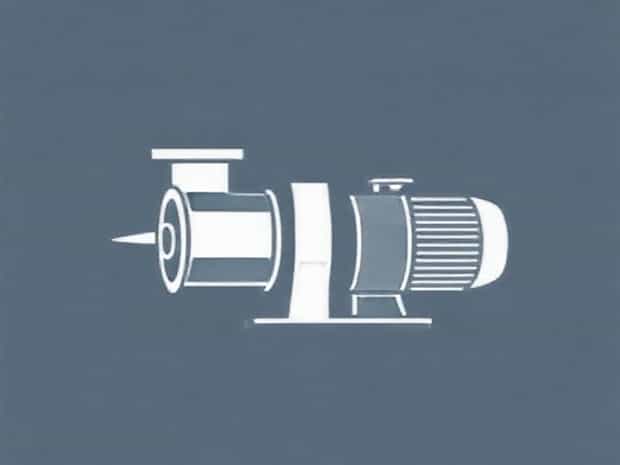
Jet Centrifugal Pump Combination
Pumping water efficiently from wells, reservoirs, or other sources is a critical task in many residential, commercial, and industrial applications. Among the wide variety of pumps available, the jet centrifugal pump combination stands out for its versatility and reliability. This type of pump system combines the high-pressure capabilities of a jet pump with the volume efficiency of a centrifugal pump, making it suitable for applications where both lift and flow are important. Understanding the working principles, advantages, and proper use of jet centrifugal pump combinations is essential for anyone looking to ensure optimal water delivery and system performance.
Understanding Jet and Centrifugal Pumps
Before exploring the combination of jet and centrifugal pumps, it is important to understand each type individually. A centrifugal pump is a mechanical device that moves water by converting rotational energy from an impeller into kinetic energy, which is then transformed into pressure. These pumps are highly efficient for moving large volumes of water at moderate pressures. On the other hand, a jet pump utilizes a high-velocity jet of water to create suction and lift water from deeper sources. Jet pumps are particularly effective for lifting water from wells or situations where suction alone cannot provide the required head.
How the Combination Works
When a jet pump is combined with a centrifugal pump, the system leverages the strengths of both types. The centrifugal pump handles the bulk flow, maintaining consistent water delivery, while the jet pump provides additional lift or pressure where needed. Typically, the centrifugal pump draws water from a reservoir or suction source and feeds it to the jet pump. The jet pump then boosts the pressure, allowing water to be delivered over longer distances or to higher elevations than a centrifugal pump alone could achieve.
Applications of Jet Centrifugal Pump Combinations
The jet centrifugal pump combination is widely used in both domestic and industrial settings. These pumps are particularly useful when water needs to be lifted from deep wells or transported over long distances. Common applications include
- Domestic water supply systems, especially in rural areas where well water needs to be delivered to homes.
- Irrigation systems for agricultural fields, ensuring adequate water distribution over large areas.
- Industrial cooling systems, where a steady flow of water at a controlled pressure is necessary.
- Municipal water supply and booster stations to maintain consistent pressure across a network of pipes.
- Construction sites or temporary setups where portable high-pressure water delivery is required.
Advantages of the Jet Centrifugal Pump Combination
Combining a jet pump with a centrifugal pump offers several benefits over using either pump individually
- Increased lift capability, allowing water to be drawn from deeper sources.
- Improved flow consistency, with the centrifugal pump handling large volumes efficiently.
- Versatility in handling various water pressures and delivery requirements.
- Ability to adapt to different piping layouts and installation conditions.
- Enhanced reliability, as the combination provides redundancy in pump operation.
Key Components of a Jet Centrifugal Pump System
A typical jet centrifugal pump combination includes several critical components that ensure smooth operation
- ImpellerThe rotating part of the centrifugal pump that imparts kinetic energy to the water.
- Jet NozzleA crucial part of the jet pump that accelerates water and creates suction to lift additional water.
- Suction LineThe pipe that draws water from the source into the pump system.
- Discharge LineThe pipe through which pressurized water is delivered to its destination.
- Motor or EnginePowers the pumps and determines the operating speed and pressure capabilities.
- Check Valves and Foot ValvesPrevent backflow and maintain system priming for continuous operation.
Installation and Operation Considerations
Proper installation is essential for achieving optimal performance from a jet centrifugal pump combination. Key considerations include
- Ensuring the suction line is free of leaks and air pockets to prevent cavitation and maintain prime.
- Installing the pump at an appropriate elevation relative to the water source to maximize efficiency.
- Using appropriate pipe diameters and materials to minimize friction losses and pressure drops.
- Regularly inspecting and maintaining the impeller, jet nozzle, and valves to prevent wear or clogging.
- Monitoring motor or engine performance to ensure consistent operation under varying load conditions.
Maintenance Tips for Longevity
Routine maintenance is critical for extending the lifespan of a jet centrifugal pump combination. Some recommended practices include
- Checking for leaks or corrosion in the suction and discharge lines regularly.
- Lubricating moving parts according to manufacturer specifications.
- Cleaning the impeller and jet nozzle to remove debris that could reduce efficiency.
- Inspecting and replacing worn seals, gaskets, and bearings as needed.
- Monitoring pump performance and pressure output to detect early signs of problems.
Common Challenges and Troubleshooting
While jet centrifugal pump combinations are highly effective, they can encounter operational challenges. Common issues include
- Loss of prime in the suction line, which can prevent the pump from starting properly.
- Cavitation due to air leaks or insufficient water supply, causing noise and damage to the impeller.
- Reduced flow or pressure caused by blockages, worn impellers, or nozzle wear.
- Overheating of the motor or pump due to excessive friction or inadequate cooling.
Addressing these challenges promptly ensures the pump system remains efficient and reliable over time.
The jet centrifugal pump combination is a versatile and efficient solution for a wide range of water delivery applications. By combining the lift capabilities of a jet pump with the volume handling of a centrifugal pump, this system can meet demanding requirements in domestic, agricultural, and industrial contexts. Proper installation, regular maintenance, and attention to operational details are essential to maximizing the performance and longevity of the pump. For anyone needing reliable water supply over varying elevations and distances, the jet centrifugal pump combination offers an effective and practical solution.