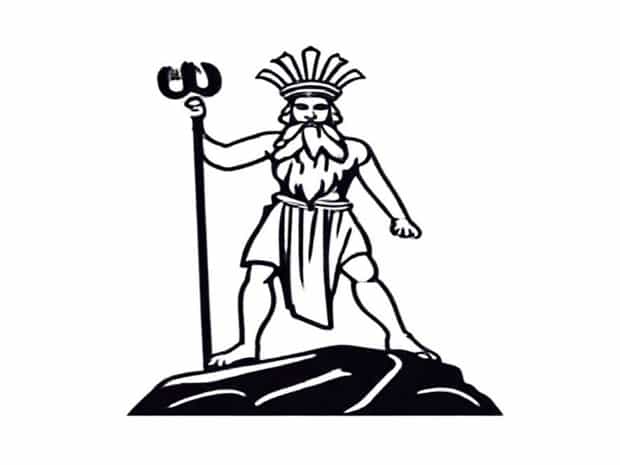
Is Zeus A Mesopotamian God
The ancient world is filled with complex mythologies and pantheons of gods, each with their own stories, powers, and cultural significance. Among these, Zeus is one of the most well-known figures from Greek mythology, often depicted as the king of the gods and ruler of Mount Olympus. However, a question sometimes arises among those studying ancient religions is Zeus a Mesopotamian god? This question invites an exploration of cultural exchanges, mythological similarities, and the distinct characteristics of Greek and Mesopotamian deities. Understanding Zeus’s origins and differentiating him from gods of other civilizations requires examining historical context, mythology, and the evolution of religious thought in the ancient Mediterranean and Near Eastern regions.
The Origins of Zeus
Zeus is primarily a Greek god, central to Greek mythology and religion. He is the son of Cronus and Rhea and is often depicted wielding a thunderbolt, symbolizing his control over the sky and weather. In Greek mythology, Zeus overthrew his father Cronus to become the ruler of the gods, establishing order on Mount Olympus. He is associated with law, justice, and the protection of order among gods and humans. The myths surrounding Zeus developed over centuries within the Greek cultural context, reflecting the values, social structures, and religious practices of ancient Greece.
Greek Pantheon and Zeus’s Role
- King of the GodsZeus ruled over other gods on Mount Olympus, mediating conflicts and enforcing divine laws.
- God of the Sky and ThunderHe controlled weather phenomena, including storms and lightning, symbolizing his immense power.
- Protector of JusticeZeus was often called upon to maintain order and ensure fairness among mortals and gods alike.
These characteristics firmly root Zeus within Greek mythology, making him an integral part of Hellenic religious traditions rather than those of Mesopotamia.
Mesopotamian Gods and Mythology
Mesopotamia, located between the Tigris and Euphrates rivers, is one of the earliest civilizations known for its rich mythological tradition. Mesopotamian gods such as Anu, Enlil, and Marduk played central roles in the cosmology of Sumerian, Akkadian, Babylonian, and Assyrian cultures. These deities often governed specific aspects of the natural world, society, and cosmic order, similar in function to Greek gods, but rooted in the Mesopotamian worldview. Stories such as the Epic of Gilgamesh highlight the roles of these gods in human affairs and emphasize themes of creation, justice, and divine authority.
Key Mesopotamian Deities
- AnuSky god and supreme deity in early Sumerian mythology.
- EnlilGod of air, wind, and storms, often associated with authority and order.
- MardukBabylonian god who rose to prominence as a king of gods, defeating chaos monsters and establishing cosmic order.
While these gods share some similarities with Zeus, such as authority over the sky and cosmic order, they are culturally and historically distinct from the Greek pantheon.
Similarities and Differences
Some scholars note that there are superficial similarities between Zeus and certain Mesopotamian gods. For example, both Zeus and Enlil are associated with storms and the sky, and both Marduk and Zeus are depicted as rulers of gods who defeat primordial forces to establish order. These similarities may reflect common human concerns about controlling nature, justice, and societal order rather than a direct cultural borrowing. Mythologies often develop similar archetypes independently across different civilizations.
Distinctive Characteristics of Zeus
- Greek Cultural ContextZeus is embedded in Greek rituals, temples, and mythic stories specific to Hellenic society.
- Family of Olympian GodsZeus belongs to a unique family lineage of Greek deities, including Hera, Poseidon, and Hades.
- Mythological NarrativesThe myths of Zeus, such as his battles with the Titans and his interactions with mortals, are uniquely Greek and not mirrored in Mesopotamian texts.
Historical Interactions Between Cultures
While Zeus is not a Mesopotamian god, there were historical interactions between Greek and Near Eastern civilizations that influenced religious thought. Trade, migration, and conquest allowed for the exchange of ideas, and Greek mythology may have been indirectly influenced by earlier Near Eastern myths. For instance, stories of storm gods, cosmic battles, and creation myths are present in both regions, but these are general mythological themes rather than evidence that Zeus originated as a Mesopotamian deity.
Examples of Cultural Influence
- Artistic motifs Greek art sometimes shows stylistic influences from Near Eastern designs.
- Mythological parallels Themes such as flood myths and divine battles appear across cultures, including Mesopotamia and Greece.
- Religious syncretism Later periods saw some blending of gods’ attributes, especially during the Hellenistic era, but Zeus remained distinctly Greek.
Zeus is not a Mesopotamian god but a distinctly Greek deity central to the Hellenic pantheon. While there are similarities between Zeus and certain Mesopotamian gods, such as authority over the sky and cosmic order, these parallels reflect common mythological archetypes rather than direct identity. The cultural, historical, and mythological context firmly roots Zeus in Greek civilization, with unique narratives, family relations, and symbolic roles. Understanding these distinctions clarifies the origins of Zeus and highlights the richness of both Greek and Mesopotamian mythologies, demonstrating how ancient societies developed their own interpretations of divine authority, natural phenomena, and moral order.