Is A Minivan A Car
When discussing vehicles, the term car” is often used broadly, but it can lead to confusion when considering specific types of vehicles such as minivans. Many people wonder whether a minivan qualifies as a car or if it belongs to a separate category. Understanding the classification of a minivan involves examining its design, function, and technical specifications. By exploring these aspects, we can clarify whether minivans are indeed cars and how they differ from other vehicle types such as SUVs, sedans, and trucks.
Defining a Car
The term “car” typically refers to a motor vehicle designed primarily for passenger transportation. Cars usually have four wheels, seating for two to seven people, and are intended for on-road use rather than off-road or heavy-duty purposes. The standard features of a car include
- Passenger seating in a confined cabin.
- Engine placement in the front or rear of the vehicle.
- Steering and braking systems designed for paved roads.
- Standardized safety features such as seat belts, airbags, and crumple zones.
- Fuel efficiency and comfort suitable for daily commuting or long-distance travel.
What is a Minivan?
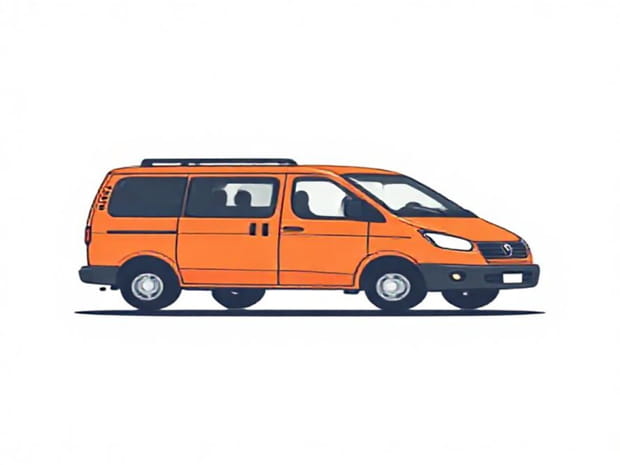
A minivan is a vehicle designed for maximum passenger space, comfort, and cargo capacity within a compact footprint. They typically have a boxy shape, sliding side doors for easy access, and multiple seating rows to accommodate larger families or groups. Unlike traditional sedans, minivans emphasize interior space and versatility over sporty handling or performance. Despite these differences, minivans retain many characteristics that align them with the definition of a car.
Key Features of Minivans
- Seating CapacityMost minivans offer three rows of seats, accommodating seven to eight passengers comfortably.
- Sliding DoorsDesigned for convenience, especially in tight parking spaces or when loading children.
- Interior SpacePrioritizes passenger comfort and cargo flexibility, often including foldable or removable seats.
- Engine and DrivetrainTypically front-engine, front-wheel drive, similar to many sedans and other cars.
- Safety FeaturesEquipped with modern car safety systems, including airbags, anti-lock brakes, and stability control.
Comparing Minivans to Other Cars
Minivans share numerous traits with conventional cars. They are primarily used for passenger transportation, have similar engine configurations, and are intended for road use rather than off-road adventures. Unlike SUVs or trucks, minivans focus on maximizing interior space rather than towing capacity or rugged performance. Their fuel efficiency is often closer to sedans than larger vehicles, and their handling is designed for comfort and stability on highways and city streets.
Differences Between Minivans and SUVs
- DesignMinivans have a lower, boxier design compared to the higher stance of SUVs.
- DoorsSliding doors in minivans versus hinged doors in most SUVs.
- Interior SpaceMinivans prioritize passenger comfort and flexible cargo options.
- DrivetrainMost minivans are front-wheel drive, while SUVs often offer all-wheel or four-wheel drive.
- Fuel EfficiencyMinivans generally achieve better fuel economy than larger SUVs.
Minivans in the Automotive Industry
Automakers categorize minivans within the broader passenger car segment. They are marketed as family vehicles designed to transport multiple passengers safely and comfortably. Historically, minivans gained popularity in the 1980s and 1990s as an alternative to station wagons, offering more interior space and modern convenience features. Today, minivans continue to evolve with hybrid powertrains, advanced safety technologies, and smart interior designs, but their core identity as a type of car remains intact.
Examples of Popular Minivans
- Honda OdysseyKnown for reliability, spacious interior, and family-friendly features.
- Chrysler PacificaOffers hybrid options and versatile seating arrangements.
- Toyota SiennaFeatures all-wheel drive and advanced safety systems.
- Kia CarnivalModern design with luxury-inspired interior and ample cargo space.
Why Minivans Are Considered Cars
Despite their unique features, minivans meet the essential criteria for classification as cars. They are primarily built for passenger transport, share mechanical similarities with other cars, and are used on standard roadways rather than off-road or industrial environments. The key factors that support their classification as cars include
- Passenger-Oriented DesignThe interior is optimized for seating comfort and accessibility.
- Standard Automotive FeaturesMinivans include typical car components such as front-engine layouts, steering systems, and car-like suspension.
- Road UseThey are intended for highways, city streets, and suburban environments, similar to sedans and hatchbacks.
- Regulatory ClassificationIn many countries, minivans are registered and insured as passenger cars rather than trucks or specialty vehicles.
a minivan is indeed a type of car. While it has specialized features such as sliding doors, three rows of seats, and an emphasis on interior space, it shares fundamental characteristics with other cars. Minivans are designed for passenger transport, operate on standard roads, and possess typical automotive systems such as engines, brakes, and steering. Understanding that minivans fall under the car category helps clarify vehicle classifications and provides insight into their role in family transportation and automotive design. Whether navigating city streets, embarking on a road trip, or ferrying children to school, minivans exemplify the practical, passenger-focused side of the car world.