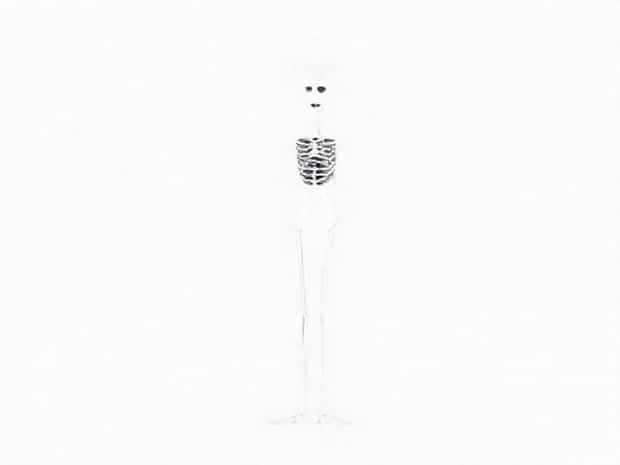
Interesting Facts About Alberto Giacometti
Alberto Giacometti was one of the most fascinating artists of the 20th century, celebrated for his unique sculptures, paintings, and drawings that captured the essence of human existence. Known for his elongated, slender figures, he explored themes of isolation, identity, and the human condition in ways that continue to inspire viewers and artists alike. Giacometti’s life was filled with creativity, philosophical exploration, and artistic experimentation. By looking deeper into his story, we can uncover many interesting facts about Alberto Giacometti that highlight his impact on modern art and his lasting legacy.
Early Life and Background
Alberto Giacometti was born in 1901 in Borgonovo, Switzerland, a small mountain village that shaped his early years. He grew up in a family of artists; his father, Giovanni Giacometti, was a successful post-impressionist painter who encouraged Alberto to pursue creativity. Surrounded by art from childhood, he began experimenting with drawing and sculpture at an early age. This artistic environment helped nurture his talent and laid the foundation for his future as a modernist icon.
A Family of Artists
What makes his story even more interesting is that Alberto was not the only artist in the family. His brothers, Diego and Bruno, also pursued creative paths. Diego became a sculptor and furniture designer, often collaborating with Alberto, while Bruno was an architect. Their shared artistic pursuits created a household atmosphere buzzing with creativity and innovation.
His Move to Paris
In 1922, Giacometti moved to Paris to study at the Académie de la Grande Chaumière. This was a turning point in his career, as Paris at the time was the hub of avant-garde art. He immersed himself in the city’s vibrant artistic culture, connecting with movements like Surrealism and Cubism. While he explored various styles during these years, it was in Paris that he eventually developed his distinctive approach to sculpture, which became his signature style.
Connection with Surrealism
During the late 1920s and early 1930s, Alberto Giacometti became associated with the Surrealist movement. He created unusual, dreamlike sculptures that fit well within Surrealist ideals. However, his independent spirit and constant search for new forms of expression led him to break away from the group. This decision allowed him to follow his own vision, which focused more on the human figure and existential themes.
Signature Sculptural Style
One of the most interesting facts about Alberto Giacometti is his instantly recognizable style of sculpture. His figures are tall, thin, and elongated, often appearing fragile yet filled with emotional power. These works were not simply experiments in proportion but were deeply tied to his philosophical concerns. Giacometti believed that the essence of human existence could be expressed through the stretched and fragile forms of his figures.
Influence of Existentialism
Giacometti’s sculptures were heavily influenced by existentialist philosophy, especially his friendships with thinkers like Jean-Paul Sartre and Simone de Beauvoir. Sartre even described Giacometti’s figures as embodying the loneliness and vulnerability of modern humanity. This connection between art and philosophy made Giacometti not just a sculptor, but a visual interpreter of existential thought.
Painting and Drawing
Although Giacometti is most famous for his sculptures, he was also a skilled painter and draftsman. His paintings often focused on portraits, where he used the same intense concentration and searching style seen in his sculptures. He would paint family members, friends, and models repeatedly, sometimes working on a single canvas for months. His drawings, meanwhile, captured expressive lines and showed his dedication to studying the human form from every angle.
Repetition and Perfectionism
Giacometti was known for his perfectionist tendencies. He often destroyed or abandoned works he felt did not live up to his vision. This repetition and relentless reworking were not signs of failure but part of his artistic process. His search for truth in representation drove him to continuously challenge his own abilities.
Recognition and Success
By the mid-20th century, Alberto Giacometti had become internationally recognized. His works were exhibited around the world, and he participated in major exhibitions such as the Venice Biennale. Collectors and museums eagerly sought his pieces, and he gained a reputation as one of the leading sculptors of his time. Despite this success, Giacometti remained dedicated to his personal vision, often working tirelessly in his small, cluttered Paris studio.
Portrait Commissions
With his growing fame, Giacometti also received commissions to paint or sculpt portraits of notable figures. These included well-known writers, philosophers, and even celebrities. Regardless of the subject, he approached each portrait with the same intensity and focus, aiming to capture the deeper essence of the individual rather than just their outward appearance.
Interesting Personal Facts
Beyond his art, Alberto Giacometti lived an intriguing life filled with unique habits and stories. These personal details add color to his biography and help us understand the man behind the artwork.
- He worked in a very small studio in Paris, no larger than a modest room, yet it became the birthplace of world-famous sculptures.
- Despite his fame, Giacometti lived modestly, often spending long hours at cafes, sketching and observing people.
- He had a close relationship with his brother Diego, who not only assisted him but also became a renowned designer in his own right.
- Giacometti was fascinated by the human face and would often stare at people intensely, studying their features for inspiration.
Later Years and Legacy
In his later years, Giacometti continued to create tirelessly, even as his health began to decline. He passed away in 1966, but his influence has only grown stronger with time. Today, his works can be found in major museums and collections worldwide. His sculptures remain some of the most recognizable and valuable pieces of modern art.
A Lasting Influence
Many contemporary artists cite Alberto Giacometti as an influence, drawn to his unique way of capturing the human spirit. His art bridges the gap between modernism and philosophy, making his work not only visually striking but also intellectually profound. Auction records for his sculptures have reached extraordinary prices, showing the continued admiration for his artistic vision.
Exploring the many interesting facts about Alberto Giacometti reveals a life dedicated to artistic exploration, philosophical depth, and human expression. From his early years in Switzerland to his Parisian studio, from Surrealism to existentialism, Giacometti shaped modern art in profound ways. His elongated figures, intense portraits, and relentless search for truth in art make him a timeless figure in art history. Understanding his life and work not only deepens our appreciation of his sculptures and paintings but also inspires us to see art as a way of reflecting the human condition.
This topic naturally spreads keywords like interesting facts about Alberto Giacometti, sculptures, existentialism, and modern art, while keeping the style clear, original, and SEO-friendly.