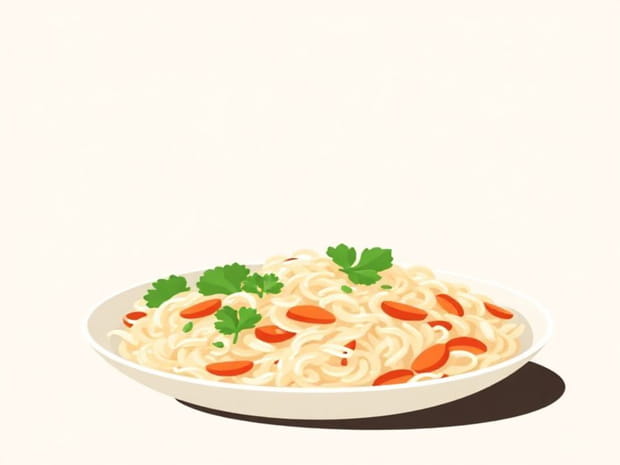
Ingredients For Rice Pilaf
Rice pilaf is a versatile and flavorful dish that has been enjoyed in various cultures around the world for centuries. Its unique texture, aromatic qualities, and adaptability make it a staple in Middle Eastern, Mediterranean, and South Asian cuisines. While the cooking method of rice pilaf can vary, the choice and combination of ingredients play a critical role in achieving the perfect balance of taste, texture, and aroma. Understanding the essential ingredients for rice pilaf allows cooks to create a dish that is both visually appealing and delicious.
Basic Ingredients for Rice Pilaf
The foundation of rice pilaf lies in its simple yet essential ingredients. Each component contributes to the final flavor, texture, and appearance of the dish. At its core, rice pilaf typically includes the following
- RiceLong-grain varieties such as basmati or jasmine are preferred for their fluffy texture and ability to absorb flavors without becoming sticky.
- FatButter, ghee, or oil is used to sauté the rice and aromatics before adding liquid, which helps maintain separation of grains and enhances flavor.
- Broth or StockChicken, vegetable, or beef broth adds depth and richness to the rice, making it more flavorful than plain water.
- AromaticsOnions, garlic, and sometimes shallots are commonly sautéed in fat to provide a base flavor for the pilaf.
These core ingredients are crucial for any rice pilaf recipe. Proper preparation and proportion of these elements ensure that the rice remains light and fluffy while being infused with complementary flavors.
Additional Flavoring Ingredients
Beyond the basic components, additional ingredients can elevate rice pilaf and provide distinctive tastes and aromas. Common flavoring ingredients include
- SpicesCinnamon sticks, cardamom pods, cloves, and bay leaves are often added to create a fragrant and aromatic dish.
- HerbsFresh or dried herbs such as parsley, dill, or thyme enhance freshness and add complexity.
- NutsToasted almonds, pine nuts, or cashews contribute a crunchy texture and nutty flavor.
- Dried FruitsRaisins, currants, or apricots provide sweetness and contrast to savory flavors.
These ingredients allow cooks to customize rice pilaf according to regional styles or personal taste preferences, making it a flexible and dynamic dish suitable for any occasion.
Vegetables and Protein Additions
Many rice pilaf recipes incorporate vegetables or proteins to create a more substantial and nutritious meal. Vegetables such as carrots, peas, bell peppers, and mushrooms can be added to provide color, flavor, and texture. Cooking these ingredients with the rice ensures they absorb the aromatic qualities of the pilaf, creating a harmonious blend of tastes.
Proteins like chicken, lamb, or shrimp can be cooked separately and mixed with the pilaf, or cooked together with the rice and aromatics for a one-pot meal. These additions make rice pilaf a versatile side dish or a main course, depending on the ingredients used.
Liquid Ratios and Cooking Medium
Proper liquid ratios are essential for perfect rice pilaf. Typically, the ratio of rice to liquid is slightly higher than plain rice cooking to allow the rice to absorb the flavors of the broth and aromatics. Commonly, 1 cup of rice requires approximately 1.5 to 2 cups of broth or stock, depending on the rice type and desired texture.
Using broth or stock instead of water ensures that each grain of rice carries a rich and savory flavor. Some cooks also add a splash of wine or lemon juice to enhance the overall taste profile.
Seasonings and Final Touches
Seasoning is another critical aspect of rice pilaf preparation. Salt and pepper are essential, but other seasonings can be added to enhance complexity. Some recipes include saffron for color and aroma, turmeric for an earthy flavor and golden hue, or smoked paprika for a subtle smoky taste.
Garnishing the rice pilaf with fresh herbs, toasted nuts, or a drizzle of olive oil not only adds visual appeal but also reinforces the layers of flavor, making each bite more satisfying and aromatic.
Regional Variations and Ingredient Differences
Rice pilaf recipes vary widely across regions, which influences the choice of ingredients
- Middle Eastern PilafOften includes almonds, raisins, and spices like cinnamon and allspice.
- Indian Pilaf (Pulao)Uses basmati rice, ghee, cardamom, cloves, and sometimes mixed vegetables or meat.
- Mediterranean PilafIncorporates olive oil, garlic, onions, and fresh herbs like parsley and dill.
- American PilafMay include butter, chicken broth, onions, celery, and sometimes mushrooms or bell peppers.
Understanding regional variations can help cooks select ingredients that best suit the style of rice pilaf they want to prepare.
Tips for Selecting Quality Ingredients
The quality of ingredients plays a significant role in the final outcome of rice pilaf. Here are some tips for selecting the best components
- Choose high-quality long-grain rice to ensure fluffiness and proper texture.
- Use fresh herbs and vegetables to enhance flavor and visual appeal.
- Select high-quality broth or stock, whether homemade or store-bought, for maximum taste.
- Opt for fresh spices and nuts, lightly toasted to release their natural aromas.
By focusing on ingredient quality, even a simple rice pilaf can be elevated to a gourmet-level dish.
Rice pilaf is a timeless and versatile dish that relies on a careful selection of ingredients to achieve its signature flavor, texture, and aroma. The basic components rice, fat, broth, and aromatics form the foundation, while additional spices, herbs, vegetables, nuts, and dried fruits provide complexity and variation. Understanding the importance of each ingredient, along with proper liquid ratios, seasoning, and regional preferences, allows cooks to create a delicious, aromatic, and visually appealing pilaf. Whether served as a side dish or a main course, rice pilaf showcases how thoughtful ingredient selection can transform simple grains into a culinary delight that is enjoyed around the world.
“