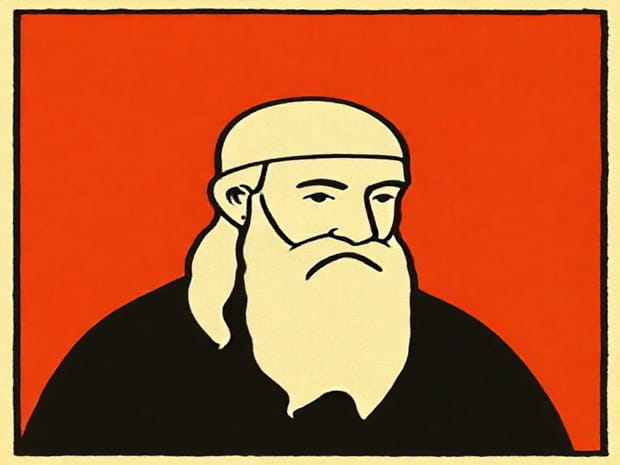
Importance Of Jan Van Eyck
Jan van Eyck is one of the most influential painters of the Northern Renaissance, often regarded as a master whose techniques and vision shaped the course of Western art. His ability to combine meticulous detail, innovative use of oil paints, and deep symbolism elevated painting to a new level of sophistication. The importance of Jan van Eyck is not only tied to his stunning masterpieces but also to his role as an innovator, an observer of human life, and a pioneer in the use of realistic perspective and natural light. Understanding his significance helps us appreciate why his works remain celebrated in art history today.
Early Life and Background
Although little is known about his early years, Jan van Eyck was born around 1390 in the region of modern-day Belgium. He later worked in The Hague and eventually moved to Bruges, where he became a court painter to Philip the Good, Duke of Burgundy. His position allowed him access to both patronage and intellectual circles, giving him the opportunity to refine his craft and experiment with new techniques. His background and career path played a key role in shaping his artistic identity and the importance of his contributions to Renaissance culture.
Innovations in Oil Painting
One of the greatest reasons for Jan van Eyck’s importance is his revolutionary use of oil paints. While oil painting existed before him, van Eyck perfected the technique by creating glazes that allowed for unmatched luminosity, depth, and precision. His layered approach produced vibrant colors and lifelike textures that had not been seen before. This innovation inspired generations of painters across Europe and transformed oil painting into the dominant medium for centuries to come.
Why Oil Painting Was Revolutionary
Oil paints provided flexibility and durability that other mediums like tempera lacked. By experimenting with slow-drying oils, van Eyck was able to create subtle gradations of light and shadow, making his figures and objects appear three-dimensional. This ability to blend colors and capture fine details set his works apart and ensured his reputation as a technical genius.
Attention to Detail
Another element that defines the importance of Jan van Eyck is his unmatched attention to detail. His paintings reveal textures, fabrics, jewelry, and reflections with astonishing clarity. Objects are depicted so realistically that they almost feel tangible. For instance, in his famous works, one can see individual strands of hair, delicate threads of embroidery, and even the light bouncing off polished surfaces. This level of observation was groundbreaking during his time and influenced artists who sought to bring the natural world into their art with equal precision.
Symbolism in Van Eyck’s Art
Jan van Eyck was not only a master technician but also a storyteller who infused his art with symbolic meaning. His works often carried layers of religious and cultural symbolism that went beyond simple decoration. Every object in his paintings could hold deeper significance, whether it was a candle, a fruit, or a mirror. This symbolic approach encouraged viewers to engage with his art on both an aesthetic and intellectual level, making his paintings more than just visual experiences.
Example of Symbolism
In one of his most famous paintings, everyday objects are filled with hidden meaning a dog symbolizes loyalty, fruit represents temptation or purity, and light can suggest divine presence. His ability to weave symbolism into realistic scenes elevated his work into a new form of narrative painting, where every detail contributed to the overall message.
The Ghent Altarpiece
Among Jan van Eyck’s most important contributions is the Ghent Altarpiece, also known as the Adoration of the Mystic Lamb. This monumental polyptych, completed in 1432 with the collaboration of his brother Hubert, is considered one of the greatest masterpieces of European art. Its scale, complexity, and beauty cement van Eyck’s place in history.
Significance of the Ghent Altarpiece
The altarpiece demonstrates van Eyck’s skill in combining realism with spiritual depth. It features a vast array of figures, landscapes, and symbolic elements, all rendered with stunning clarity. The panels include portraits of donors, depictions of saints, and the central image of the Lamb of God, symbolizing Christ’s sacrifice. The Ghent Altarpiece remains a defining example of his artistic vision and mastery of oil painting.
Influence on Renaissance Art
Jan van Eyck’s importance extends beyond his own works; he influenced countless artists who followed him. His methods of layering oil glazes and achieving realism spread throughout Northern Europe and later into Italy. Painters such as Rogier van der Weyden and Hans Memling were directly inspired by his approach. Even in the Italian Renaissance, artists admired and learned from his innovations in light and texture. His role in bridging Gothic traditions with the emerging Renaissance makes him a pivotal figure in art history.
Comparison with Italian Renaissance
While Italian artists focused on classical proportions and mathematical perspective, van Eyck brought realism through textures, colors, and atmospheric effects. Together, these two approaches defined Renaissance art as a blend of naturalism, humanism, and technical mastery. His work showed that attention to detail and symbolism could coexist with religious themes, offering a model for future European painters.
Humanism and Portraiture
Jan van Eyck is also celebrated for advancing portraiture. His portraits captured not only the likeness of his subjects but also their personality and status. His use of light and shadow, combined with meticulous detail, made his sitters appear lifelike. These portraits were often commissioned by wealthy patrons who wanted to display both their piety and social standing. The rise of portraiture as a respected genre owes much to van Eyck’s contributions.
Legacy of Jan van Eyck
The legacy of Jan van Eyck continues to shape art appreciation and study today. His name is synonymous with innovation, technical mastery, and symbolic depth. Museums, historians, and students alike still analyze his works to uncover their meanings and admire their craftsmanship. His influence reached far beyond his lifetime, setting standards for generations of painters who sought to achieve realism and expressive power.
Modern Appreciation
Today, van Eyck’s importance is recognized not only in academic settings but also in popular culture. His paintings are studied in schools, displayed in world-renowned museums, and referenced in discussions of European heritage. The survival of many of his works, despite centuries of political and religious turmoil, allows us to directly experience the brilliance of his vision.
The importance of Jan van Eyck lies in his role as a pioneer who transformed the possibilities of painting. By perfecting oil techniques, emphasizing detail, and infusing symbolism into every aspect of his work, he elevated art into a medium that combined realism with intellectual depth. His masterpieces, such as the Ghent Altarpiece, remain landmarks in art history, and his influence can be traced across Europe and through the centuries. Understanding Jan van Eyck’s significance helps us see how one artist’s vision reshaped the course of Western art and continues to inspire admiration in the modern world.