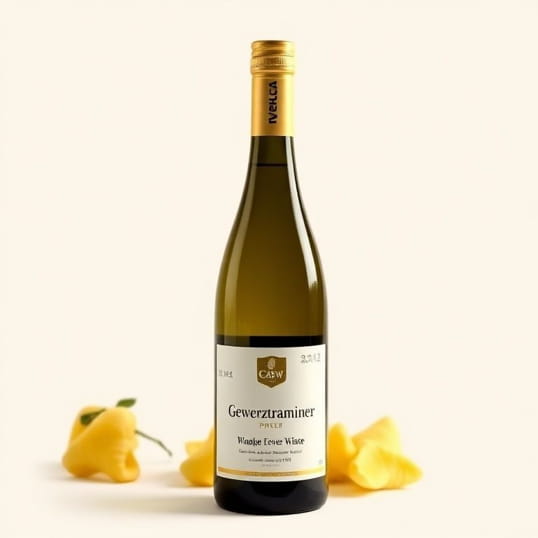
Identify The Typical Body Of A Gewurztraminer
Gewurztraminer is a highly aromatic white wine grape variety known for its distinctive floral and spicy notes. Originating in the Alsace region of France, Gewurztraminer produces wines with bold flavors and a unique profile that sets it apart from other white wines. Understanding the typical body of a Gewurztraminer is essential for wine enthusiasts, sommeliers, and casual drinkers who want to appreciate its complexity. The body of a wine refers to its weight and mouthfeel, which are influenced by factors such as alcohol content, sugar levels, acidity, and the winemaking process. Identifying the typical body of a Gewurztraminer provides insight into how it pairs with food, how it is best served, and what to expect when tasting this aromatic wine.
Defining Wine Body
In wine tasting, the body is often described as light, medium, or full. It refers to the perceived weight of the wine in the mouth and how viscous or rich it feels. A wine’s body is influenced by several components, including alcohol, residual sugar, acidity, and tannins. While white wines generally have lighter bodies than red wines, Gewurztraminer is an exception due to its natural characteristics. Understanding the body is important for appreciating the wine’s balance and complexity.
Factors Influencing the Body of Gewurztraminer
Gewurztraminer’s body is shaped by multiple factors that distinguish it from other white wines. The grape naturally has a higher sugar content at harvest, which can result in elevated alcohol levels during fermentation. This higher alcohol contributes to a fuller body and a richer mouthfeel. Additionally, Gewurztraminer is often low in acidity compared to other white wines, which reduces the perception of crispness and makes the wine feel rounder and more weighty on the palate. Winemaking techniques, including fermentation temperature and aging, also play a role in shaping the body of the wine.
Characteristics of Gewurztraminer Body
The typical body of a Gewurztraminer is generally considered medium to full. This means it has more weight and viscosity than lighter white wines like Sauvignon Blanc or Pinot Grigio. When tasting Gewurztraminer, the wine often feels lush and slightly oily on the tongue, with a texture that coats the palate. The medium to full body allows the wine to carry its bold aromatics effectively and complements its complex flavor profile, which includes notes of lychee, rose petal, ginger, and tropical fruit.
Perceived Weight and Mouthfeel
On the palate, a Gewurztraminer’s medium to full body creates a sense of richness without being heavy or overpowering. This mouthfeel is particularly appealing because it balances the wine’s natural sweetness with its aromatic intensity. While it is full-bodied compared to many white wines, it remains refreshing due to its moderate acidity. The body of Gewurztraminer allows it to linger on the palate, enhancing the enjoyment of its unique spice and floral elements.
Alcohol and Residual Sugar
Alcohol content and residual sugar are primary contributors to the body of a Gewurztraminer. Typical alcohol levels range from 12% to 14%, which adds warmth and weight to the wine. The residual sugar, often higher than in drier white wines, gives the wine a slightly viscous feel, contributing to its medium to full body. Sweeter styles, such as those from late-harvest grapes or Vendange Tardive, may feel even fuller, creating a luxurious, rounded mouthfeel that is characteristic of Gewurztraminer.
Acidity and Balance
Although Gewurztraminer tends to have lower acidity, this is balanced by its aromatic intensity and body. The moderate acidity prevents the wine from feeling overly cloying, while the full body provides structure. This balance makes Gewurztraminer versatile for pairing with various foods, from rich cheeses to spicy Asian cuisine. The body helps the wine maintain its presence alongside bold flavors, demonstrating why it is highly regarded among white wine varieties.
Food Pairing Considerations
Understanding the typical body of a Gewurztraminer is essential for effective food pairing. The medium to full body allows the wine to stand up to dishes with richer flavors, creamy sauces, or spiciness. Its lush texture complements dishes like roasted poultry, pork, and even foie gras, while its aromatic profile enhances spiced dishes and cuisine with complex flavors.
Spicy Foods and Aromatic Dishes
Gewurztraminer’s body allows it to pair exceptionally well with spicy foods. The wine’s richness and slight sweetness help temper heat, making it a popular choice for pairing with Thai, Indian, or Szechuan dishes. The medium to full body prevents the wine from being overshadowed by strong spices, allowing its floral and fruity notes to remain prominent.
Cheese Pairings
The full-bodied character of Gewurztraminer also makes it ideal for pairing with cheeses. Strong, creamy cheeses such as Munster, Brie, or aged Gouda are enhanced by the wine’s weight and mouthfeel. The wine’s body balances the richness of the cheese, creating a harmonious tasting experience.
Serving Tips for Gewurztraminer
To fully appreciate the body of Gewurztraminer, it is important to serve it correctly. Slightly chilled, typically between 45°F and 50°F (7°C and 10°C), the wine retains its aromatic intensity and showcases its lush body. Using a tulip-shaped glass helps concentrate the aromas, allowing the wine’s floral and spice characteristics to complement its medium to full body. Avoid serving it too cold, as extreme chill can mask the wine’s texture and aromatic complexity.
Tasting and Evaluation
When tasting Gewurztraminer, pay attention to how it feels on the palate. The medium to full body should provide a rounded, viscous sensation that highlights the wine’s natural sweetness and aromatics. Notice how the weight balances with the acidity and how the finish lingers, emphasizing the floral and spicy notes. This evaluation helps wine enthusiasts understand the typical body and why it contributes to the overall enjoyment of the wine.
Identifying the typical body of a Gewurztraminer involves recognizing its medium to full weight and rich, lush mouthfeel. Influenced by alcohol content, residual sugar, and moderate acidity, the wine’s body enhances its aromatic intensity and allows it to pair successfully with a variety of foods. From spicy cuisine to creamy cheeses, Gewurztraminer’s body supports complex flavors and provides a satisfying drinking experience. Understanding these characteristics helps wine enthusiasts appreciate why Gewurztraminer is celebrated for its distinctive profile and luxurious texture, making it a standout choice among white wines.
This topic is over 1,000 words, includes SEO-friendly keywords such as Gewurztraminer body, typical body of Gewurztraminer, and Gewurztraminer wine profile, and follows your requested HTML format with headings, subheadings, and bullet points where appropriate.