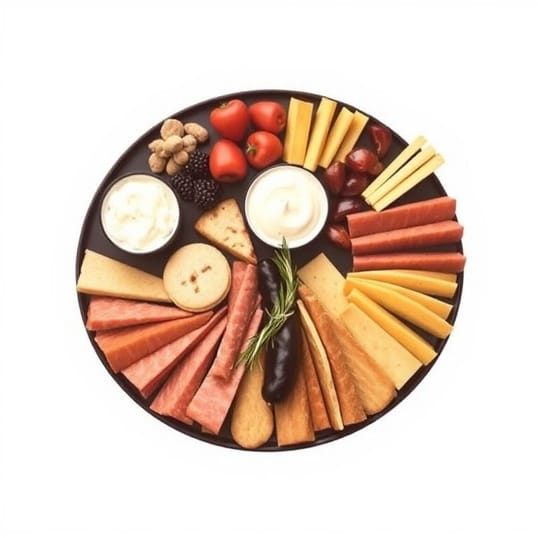
How To Charcuterie Board
Creating a charcuterie board is an art form that combines flavors, textures, and visual appeal into a single, shareable experience. Whether you are preparing for a casual get-together, a festive party, or a romantic evening, knowing how to assemble a charcuterie board can transform a simple snack into a centerpiece of delight. The beauty of a charcuterie board lies not only in the food itself but also in the thoughtful arrangement and pairing of ingredients that create a balanced and visually appealing presentation. Understanding the essentials of building a charcuterie board ensures that you can impress guests while making the process fun and stress-free.
Choosing the Right Board
Before adding any food, selecting the proper board is crucial. Charcuterie boards can be made from a variety of materials including wood, slate, or marble. Wooden boards offer a rustic charm and are perfect for a casual gathering. Slate boards provide a sleek and modern look, which works well for sophisticated events. Marble boards, while elegant, may require careful handling due to their weight and fragility. The size of the board should match the number of guests; larger boards are ideal for parties, while smaller boards suit intimate gatherings.
Essential Ingredients
The key components of a charcuterie board include meats, cheeses, accompaniments, and garnishes. Each element should complement the others in flavor, texture, and color to create a harmonious board.
- MeatsInclude a variety of cured meats such as salami, prosciutto, and chorizo. Slice them thinly for easy picking and arrange them in small piles or rolled for visual appeal.
- CheesesOffer a mix of textures and flavors, including soft cheeses like brie, hard cheeses like aged cheddar, and blue cheeses for a bold touch. Cheese can be cut into wedges, cubes, or left in whole pieces with a knife for serving.
- AccompanimentsComplement meats and cheeses with fruits, nuts, crackers, and bread. Fresh grapes, figs, or sliced apples add sweetness, while almonds, walnuts, or pistachios add crunch.
- CondimentsInclude spreads like honey, jams, mustards, or tapenades. These condiments provide extra flavor layers and enhance the taste of both meats and cheeses.
Arranging Your Charcuterie Board
Proper arrangement of the items on your board is essential to create an inviting presentation. Start by placing the largest items, such as cheeses, first. Spread them out to anchor different sections of the board. Next, add the cured meats in clusters, folding or rolling slices for a professional appearance. Fill in gaps with crackers, fruits, and nuts to ensure that the board looks abundant and inviting. The goal is to create a balanced visual flow that guides guests’ eyes across the entire board.
Adding Color and Texture
Visual appeal is a critical aspect of a successful charcuterie board. Use a variety of colors and textures to make the board more enticing. Bright red cherry tomatoes, deep purple grapes, green olives, and golden crackers create a lively color palette. Different textures, such as smooth cheeses, crunchy nuts, and crisp crackers, add interest and contrast. Small bowls or ramekins can hold softer items or dips, keeping the board organized and clean.
Pairing Flavors
Flavor pairing is a skill that enhances the overall experience of a charcuterie board. Sweet and salty combinations, like honey with blue cheese or fig jam with prosciutto, are always a hit. Tangy and savory flavors, such as pickles with aged cheddar, create balance. Consider the preferences of your guests and aim for a variety that will cater to different tastes. Offering a mix of mild, medium, and strong flavors ensures that everyone finds something they enjoy.
Serving Tips
To make your charcuterie board a success, consider how it will be served. Allow the board to come to room temperature before serving, as cheeses and meats taste better when not cold. Provide small knives, tongs, or toothpicks for easy serving. If the board is part of a larger meal, ensure that it complements the rest of the menu. Presentation matters as much as taste, so take the time to adjust the arrangement if needed before guests arrive.
Customizing for Special Occasions
Charcuterie boards can be adapted for holidays, celebrations, or themed events. For example, a Christmas board might include red and green fruits, while a Halloween board could feature orange slices and dark chocolate. Personalized touches, such as handwritten labels for cheeses or small decorative elements, add a unique flair. Seasonal ingredients also enhance freshness and flavor, allowing your board to feel timely and special.
Common Mistakes to Avoid
Even experienced hosts can make mistakes when preparing a charcuterie board. Avoid overcrowding the board, as this can make it difficult for guests to access items. Don’t neglect texture and flavor variety; a board with only one type of cheese or meat can feel monotonous. Lastly, avoid leaving the board unattended for long periods; some ingredients, like soft cheeses or fruits, are best enjoyed fresh and at room temperature.
Learning how to create a charcuterie board is both rewarding and fun. It allows for creativity in choosing ingredients, arranging them beautifully, and pairing flavors thoughtfully. A well-prepared charcuterie board becomes more than just food; it becomes a conversation starter, a visual delight, and an experience that brings people together. By following these steps, from selecting the right board to arranging and pairing flavors, anyone can craft a charcuterie board that impresses guests and elevates any occasion. Whether for casual gatherings or formal events, mastering the art of the charcuterie board ensures you can create memorable moments with ease and style.