How Many Sorrowful Mysteries Are There
The Sorrowful Mysteries are an essential part of the Rosary, a traditional Catholic devotion that invites believers to meditate on key events in the life of Jesus Christ and the Virgin Mary. These mysteries focus on the suffering and sacrifice of Christ, highlighting His passion, agony, and crucifixion. By reflecting on these events, Catholics seek to deepen their understanding of Christ’s love, compassion, and the redemptive nature of His suffering. The Sorrowful Mysteries offer a way to unite personal prayers with contemplation of Christ’s trials, fostering spiritual growth, empathy, and devotion.
Number of Sorrowful Mysteries
There are five Sorrowful Mysteries in the Rosary. Each mystery corresponds to a significant event in the Passion of Jesus Christ, from His prayer in the Garden of Gethsemane to His death on the cross. These five events are meant to guide meditation and prayer, helping the faithful enter more deeply into the experience of Christ’s suffering. The repetition of prayers, such as the Our Father and Hail Mary, serves as a rhythm that supports focused reflection on each sorrowful moment. By contemplating these mysteries, believers can experience a spiritual connection to the trials and love of Jesus.
- First Sorrowful Mystery The Agony in the Garden
- Second Sorrowful Mystery The Scourging at the Pillar
- Third Sorrowful Mystery The Crowning with Thorns
- Fourth Sorrowful Mystery The Carrying of the Cross
- Fifth Sorrowful Mystery The Crucifixion and Death of Jesus
The First Sorrowful Mystery The Agony in the Garden
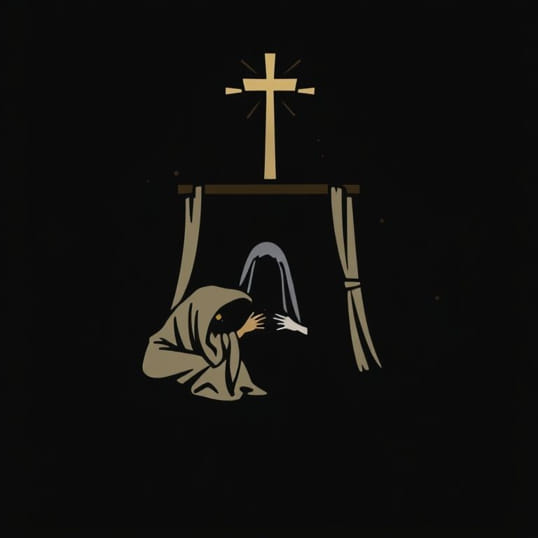
The first Sorrowful Mystery focuses on Jesus’ intense prayer and emotional suffering in the Garden of Gethsemane. Before His arrest, Jesus prayed fervently, aware of the immense suffering that awaited Him. This moment emphasizes His humanity and obedience to God’s will, serving as a model for Christians facing personal trials. Meditating on this mystery encourages believers to seek strength and guidance through prayer during their own difficult times.
- Scriptural ReferenceMatthew 2636-46
- Key ReflectionJesus’ submission to God’s will despite suffering exemplifies courage and trust in divine guidance.
The Second Sorrowful Mystery The Scourging at the Pillar
The second Sorrowful Mystery reflects on Jesus’ brutal scourging by Roman soldiers. He endured immense physical pain and humiliation, showing unwavering commitment to His mission of redemption. Contemplating this mystery invites believers to consider the suffering of others and the strength that comes from endurance and faith. It also reminds Christians of the cost of sin and the depth of God’s love expressed through Christ’s willingness to suffer on humanity’s behalf.
- Scriptural ReferenceMatthew 2726
- Key ReflectionEmphasizes selflessness, compassion, and the redemptive power of suffering.
The Third Sorrowful Mystery The Crowning with Thorns
In the third Sorrowful Mystery, Jesus is mocked and crowned with thorns, a symbol of humiliation and suffering. This act of cruelty demonstrates both human sinfulness and Christ’s endurance for the sake of others. Meditating on this mystery encourages believers to cultivate humility, patience, and empathy for those who are oppressed or mocked. It also highlights the spiritual strength required to endure injustice with love and forgiveness.
- Scriptural ReferenceJohn 191-3
- Key ReflectionEncourages resilience and compassion in the face of humiliation and suffering.
The Fourth Sorrowful Mystery The Carrying of the Cross
The fourth Sorrowful Mystery focuses on Jesus’ journey to Calvary, carrying the heavy cross on which He would be crucified. This mystery represents the physical and emotional burden of carrying sins and the path of suffering for a greater purpose. Reflecting on this event inspires believers to embrace their own crosses in life, understanding that personal challenges can have spiritual significance when united with Christ’s suffering.
- Scriptural ReferenceLuke 2326-32
- Key ReflectionTeaches perseverance, acceptance, and the transformative power of suffering.
The Fifth Sorrowful Mystery The Crucifixion and Death of Jesus
The fifth and final Sorrowful Mystery centers on the crucifixion and death of Jesus on the cross. This ultimate act of sacrifice represents the fulfillment of God’s plan for redemption and the expression of divine love. Meditating on the crucifixion encourages believers to reflect on forgiveness, selflessness, and the hope of resurrection. It also serves as a reminder that even in moments of great suffering, there is the potential for spiritual renewal and eternal life.
- Scriptural ReferenceLuke 2333-46
- Key ReflectionHighlights the redemptive power of suffering and the centrality of love and sacrifice in Christian faith.
Importance of the Sorrowful Mysteries in Prayer
The Sorrowful Mysteries are particularly significant during the seasons of Lent and Holy Week, when Christians reflect on the passion and suffering of Jesus. Praying the Rosary with a focus on these mysteries allows believers to enter into a deeper meditation on Christ’s love and sacrifice. The repetitive prayers, combined with contemplation of each sorrowful event, create a rhythm that fosters spiritual focus, emotional connection, and personal transformation.
- Encourages empathy and compassion for the suffering of others
- Deepens understanding of Christ’s sacrifice and love
- Provides a framework for personal reflection and spiritual growth
- Strengthens faith and trust in God during challenging times
There are five Sorrowful Mysteries in the Rosary, each highlighting a critical moment in the suffering and passion of Jesus Christ. These mysteries the Agony in the Garden, the Scourging at the Pillar, the Crowning with Thorns, the Carrying of the Cross, and the Crucifixion and Death offer profound opportunities for meditation, reflection, and spiritual growth. By contemplating these events, Catholics are invited to understand the depth of Christ’s love, embrace personal challenges with faith, and cultivate compassion and humility in their daily lives. The Sorrowful Mysteries remain a powerful tool for prayer, connection with God, and reflection on the redemptive power of suffering.