How Many Boroughs In Toronto
Toronto is one of the most dynamic and diverse cities in Canada, and many people wonder how the city is divided in terms of boroughs. When we talk about boroughs in Toronto, we are really referring to the former municipalities that were once independent cities before being merged into the modern City of Toronto. These divisions still play a significant role in how locals identify with their neighborhoods, and they help explain why Toronto is often described as a city of cities.” Understanding how many boroughs there are in Toronto, and what each represents, gives valuable insight into the culture, governance, and daily life of the city.
The Concept of Boroughs in Toronto
Unlike some global cities such as New York, where boroughs are official administrative divisions, Toronto’s boroughs are rooted in its history of amalgamation. Before 1998, Toronto was not a single unified city but rather a metropolitan area that included multiple municipalities. These municipalities included the old City of Toronto and several surrounding areas that eventually came together to form what we know today as Toronto. While the term “borough” is not officially used in the city’s governance, it is often applied informally to describe the main divisions that make up Toronto.
How Many Boroughs Are in Toronto?
Toronto is made up of six main boroughs, often referred to as the “former municipalities.” These are
- Old Toronto
- Scarborough
- North York
- Etobicoke
- York
- East York
Together, these six boroughs form the structure of the modern city. Each borough has its own unique identity, local culture, and historical background. Even though they were amalgamated into one single government, residents often still identify with the borough where they live.
Old Toronto
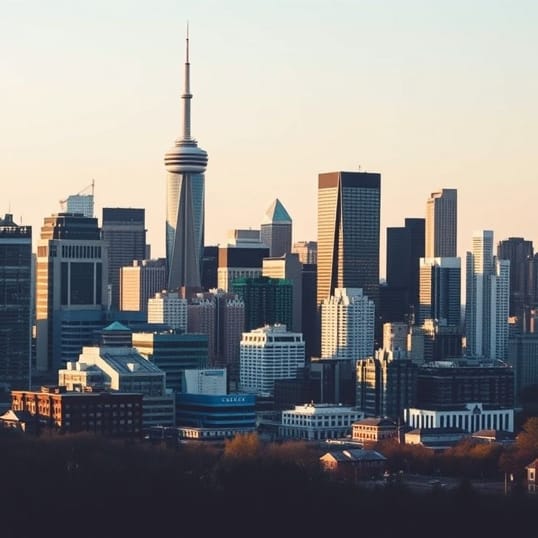
Old Toronto is the historic core of the city and is often what people imagine when they think of Toronto. It is home to the downtown area, major financial districts, and iconic landmarks such as the CN Tower and Queen’s Park. Old Toronto was the original city before amalgamation, and it represents the heart of the metropolis. Its neighborhoods are some of the most densely populated and diverse in the city.
Scarborough
Scarborough is located in the eastern part of Toronto. It is known for its natural beauty, including the Scarborough Bluffs along Lake Ontario, as well as large parks and green spaces. Scarborough is also one of the most multicultural parts of Toronto, with a wide range of communities that contribute to its identity. Over the years, Scarborough has developed into a residential and commercial hub while maintaining a close connection to nature.
North York
North York lies north of Old Toronto and has become an important center for business and residential development. The area is home to major institutions such as York University and the Ontario Science Centre. With high-rise buildings, busy intersections, and cultural centers, North York has developed a reputation as a “second downtown” for Toronto, offering urban amenities without being directly in the city core.
Etobicoke
Etobicoke is situated in the western part of Toronto and is known for its suburban character. It features wide streets, large shopping centers, and quieter neighborhoods compared to downtown. Etobicoke also has access to beautiful waterfront areas and parks. Over the years, it has grown into a balance of residential communities and industrial zones, making it an essential part of Toronto’s economy and lifestyle.
York
York is one of the smaller boroughs of Toronto, but it has a distinct character shaped by its history as a working-class community. Today, York remains a residential area with a mix of cultural communities. Although it is not as large or as prominent as other boroughs, York contributes to the city’s overall diversity and continues to be a place where strong local identity thrives.
East York
East York was once Canada’s only borough before amalgamation. It is located just east of Old Toronto and is mainly a residential community with many family-friendly neighborhoods. East York is valued for its community spirit, smaller-town feel, and accessibility to downtown. Although it is no longer officially independent, many residents still proudly identify as being from East York.
The Significance of Toronto’s Boroughs
Although Toronto is governed as one single city today, the boroughs continue to shape how people experience daily life. Residents often use borough names when describing where they live, work, or go to school. Each borough has unique landmarks, cultures, and traditions that give it an identity distinct from the others. This makes Toronto both unified and diverse, as people connect to their borough while also being part of the larger city.
Population and Diversity Across the Boroughs
One of Toronto’s defining features is its diversity, and this is reflected across the six boroughs. Scarborough, for example, is known for its immigrant communities, with large populations from South Asia, East Asia, and the Caribbean. North York has also become a multicultural hub, while Old Toronto remains the most cosmopolitan with international business and cultural attractions. Etobicoke, York, and East York add their own unique demographics, making Toronto one of the most multicultural cities in the world.
Amalgamation and Governance
The amalgamation of 1998 unified the six boroughs into one municipal government, known as the City of Toronto. This restructuring was designed to streamline services and create a stronger city identity. While it faced criticism at the time, the change made Toronto a single powerful municipality with significant influence in Canada. Despite this, the borough identities remain alive in the minds of residents and continue to shape local politics and culture.
How Boroughs Affect Daily Life
Even though boroughs no longer function as separate governments, they influence how people navigate the city. Public transit routes, school districts, and community services are often organized in ways that reflect the historical divisions. Real estate markets also vary widely between boroughs, with downtown Toronto and North York offering more high-rise living, while Etobicoke and Scarborough provide more suburban options. These differences affect everything from housing prices to cultural activities.
So, how many boroughs are in Toronto? The answer is six Old Toronto, Scarborough, North York, Etobicoke, York, and East York. While these boroughs no longer exist as independent municipalities, they remain important to the identity and structure of the city. Each has its own history, culture, and role within Toronto, creating a mosaic of communities that together make the city one of the most vibrant in the world. Understanding the boroughs of Toronto not only answers a simple geographical question but also opens the door to appreciating the richness and diversity of Canada’s largest city.