How Are Volcanoes Constructive And Destructive
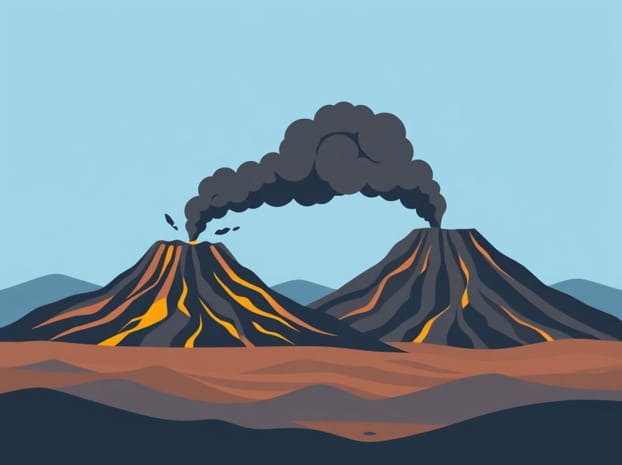
Volcanoes are among the most fascinating and powerful natural phenomena on Earth, capable of shaping landscapes and affecting human civilizations. They are both constructive and destructive, demonstrating the dual nature of geological processes. While eruptions can destroy homes, forests, and infrastructure, they also create new landforms, fertile soils, and even islands. Understanding how volcanoes are constructive and destructive is crucial for appreciating their role in Earth’s dynamic system, preparing for natural disasters, and studying the long-term impact of volcanic activity on ecosystems and human societies.
Understanding Volcanic Activity
Volcanic activity occurs when molten rock, gases, and ash escape from beneath the Earth’s crust. This material, called magma when underground and lava when it reaches the surface, is expelled through vents, fissures, and craters. Volcanoes are found at tectonic plate boundaries, hotspots, and subduction zones. The type of eruption, frequency, and intensity vary depending on the magma composition and pressure within the Earth. Both constructive and destructive impacts are a result of these natural eruptions, which shape the Earth’s surface over time.
Constructive Effects of Volcanoes
Volcanoes are inherently constructive because they add new material to the Earth’s surface and shape landscapes. One of the most visible constructive effects is the formation of volcanic landforms such as mountains, islands, and plateaus. Lava flows and ash deposits gradually build new layers of rock, expanding coastlines and creating fertile valleys. Over centuries, volcanic islands like the Hawaiian Islands have formed entirely due to successive eruptions. These constructive processes contribute to the continuous renewal of the Earth’s surface.
Fertile Soils
Another constructive aspect of volcanoes is the creation of highly fertile soils. Volcanic ash and lava are rich in minerals such as potassium, phosphorus, and magnesium, which enhance soil fertility. Regions around volcanoes, including areas in Italy, Indonesia, and Japan, benefit from these nutrient-rich soils that support agriculture. Farmers often cultivate crops like coffee, rice, and vineyards on volcanic soils, making these regions productive despite the potential risks posed by eruptions.
Geothermal Energy
Volcanic activity also contributes to renewable energy sources. Geothermal energy harnesses heat from underground magma to produce electricity and provide heating. Countries like Iceland and New Zealand rely heavily on geothermal power derived from volcanic activity, making it a constructive resource for human development. By tapping into geothermal energy, volcanoes contribute to sustainable energy solutions and reduce reliance on fossil fuels.
Destructive Effects of Volcanoes
While volcanoes have constructive aspects, they are also highly destructive. Explosive eruptions can cause widespread devastation, destroying communities, forests, and infrastructure. Lava flows, pyroclastic flows, and volcanic bombs can obliterate everything in their path. For example, the eruption of Mount Vesuvius in 79 AD buried the city of Pompeii under meters of ash, illustrating the catastrophic potential of volcanic eruptions. Modern eruptions continue to threaten lives and property, making volcanic hazard management essential.
Loss of Life and Property
Volcanic eruptions can lead to significant loss of life and property. Pyroclastic flows, which are fast-moving currents of hot gas and volcanic matter, are particularly deadly. Communities near active volcanoes often face evacuation, destruction of homes, and loss of infrastructure such as roads, bridges, and communication networks. The 1980 eruption of Mount St. Helens in the United States resulted in extensive destruction, including the obliteration of forests and infrastructure, highlighting the destructive capacity of volcanic activity.
Environmental Impact
Volcanoes can also have severe environmental consequences. Ash clouds and gases released during eruptions can impact air quality, water sources, and climate. Sulfur dioxide and carbon dioxide emissions contribute to acid rain and, in some cases, temporary global cooling. Forests and wildlife habitats may be destroyed by lava flows and ash fall, altering ecosystems. Even though some areas recover over time, the immediate environmental impact of volcanic eruptions can be catastrophic.
Secondary Hazards
Volcanic eruptions can trigger secondary hazards such as landslides, mudflows, and tsunamis. Melting glaciers or snow on volcanic peaks can cause lahars fast-moving mudflows that sweep down river valleys, destroying everything in their path. Submarine eruptions can generate tsunamis, posing risks to coastal communities. These secondary effects amplify the destructive nature of volcanoes, making them a complex hazard to manage and predict.
Balancing Constructive and Destructive Effects
The dual nature of volcanoes being both constructive and destructive demonstrates the dynamic processes of Earth’s geology. While destructive eruptions may cause immediate harm, they also contribute to long-term environmental and human benefits. New landforms, fertile soils, mineral resources, and geothermal energy are all products of volcanic activity. This balance is a reminder that natural processes can simultaneously threaten and benefit human societies and ecosystems.
Human Adaptation
Communities living near volcanoes have learned to adapt to both the constructive and destructive aspects of these natural features. Early warning systems, evacuation plans, and land-use planning reduce risks, while farmers and developers take advantage of fertile soils and geothermal energy. Education and scientific research play a key role in minimizing the destructive effects of volcanoes while maximizing their constructive benefits.
Tourism and Recreation
Volcanoes also attract tourism, offering opportunities for recreation and education. Volcanic landscapes such as crater lakes, hot springs, and lava fields draw visitors interested in hiking, photography, and geology. These activities provide economic benefits to surrounding communities while fostering awareness about volcanic processes and hazards. In this way, volcanoes can be both destructive and constructive by shaping human experiences and economic development.
Interesting Facts About Volcanoes
- Volcanoes form at tectonic plate boundaries, hotspots, and subduction zones.
- Constructive effects include land formation, fertile soils, and geothermal energy.
- Destructive effects include lava flows, pyroclastic flows, ash clouds, and lahars.
- Volcanic eruptions can impact global climate by releasing gases into the atmosphere.
- Many volcanic regions are densely populated due to fertile soils and natural resources.
- Monitoring and prediction technologies help mitigate the destructive impacts of volcanoes.
- Volcanoes continue to shape the Earth’s surface, influencing landscapes and ecosystems.
Volcanoes exemplify the complex relationship between constructive and destructive forces on Earth. They create new landforms, enrich soils, and provide renewable energy, while simultaneously posing threats to life, property, and the environment. Understanding how volcanoes function and their dual effects allows humans to better prepare for eruptions, utilize their resources responsibly, and appreciate their role in shaping the planet. By studying both the constructive and destructive aspects of volcanoes, scientists, policymakers, and communities can harness their benefits while minimizing risks, demonstrating the intricate balance of nature’s forces.