History Of Wineglass Bay
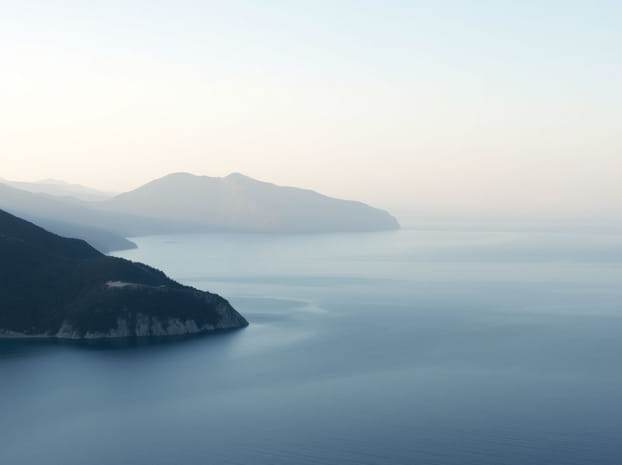
Wineglass Bay, located on the southeastern coast of Tasmania, Australia, is widely celebrated for its stunning crescent-shaped beach, crystal-clear waters, and dramatic surrounding cliffs. While it is renowned today as one of the world’s most picturesque beaches, Wineglass Bay has a rich history shaped by Indigenous culture, European exploration, and the development of Tasmania’s national parks. Its unique geography and natural beauty have made it a focal point for conservation, tourism, and cultural appreciation, creating a legacy that blends human history with remarkable natural landscapes. Understanding the history of Wineglass Bay provides insight into how this iconic destination became a symbol of Tasmanian natural heritage.
Indigenous History and Early Significance
Long before European settlement, the area around Wineglass Bay was inhabited by the Aboriginal people of Tasmania, particularly the Mouheneener tribe. These Indigenous communities relied on the abundant natural resources of the Freycinet Peninsula, where Wineglass Bay is located, for fishing, hunting, and gathering. Archaeological evidence, including shell middens and stone tools, indicates that these lands were used for thousands of years, reflecting a deep connection to the environment.
Cultural and Spiritual Importance
For the Mouheneener people, the coastline and surrounding areas were not merely sources of sustenance but also held spiritual significance. The bays, cliffs, and forests played a role in storytelling, ceremonies, and the transmission of cultural knowledge. Oral traditions often emphasized the relationship between humans and the natural world, highlighting the importance of preserving landscapes such as Wineglass Bay for both practical and spiritual reasons.
European Discovery and Exploration
European exploration of Tasmania began in the 17th and 18th centuries, with Dutch and British navigators mapping parts of the island’s coastline. Wineglass Bay, initially unnamed, was likely observed by early explorers who recorded the dramatic coastline and sheltered bays. Captain James Cook’s voyages contributed to European knowledge of Tasmania, although detailed mapping of the Freycinet Peninsula occurred later in the early 19th century. European interest in the area grew due to its natural beauty and potential resources, including timber and fisheries.
Early Settlers and Economic Use
During the 19th century, European settlers used the surrounding areas for logging, whaling, and small-scale farming. The sheltered waters of Wineglass Bay provided temporary anchorage for ships and access to marine resources. Despite these activities, the remote location and rugged terrain limited large-scale settlement, allowing much of the natural environment to remain intact. Early records and sketches from explorers and settlers capture the striking beauty of the bay, foreshadowing its later recognition as a scenic landmark.
Development of Freycinet National Park
The formal protection of Wineglass Bay began with the establishment of Freycinet National Park in 1916, one of Tasmania’s earliest national parks. The park was created to preserve the unique landscapes, wildlife, and natural heritage of the Freycinet Peninsula, including Wineglass Bay. Over time, conservation efforts expanded to include management of visitor access, protection of endangered species, and maintenance of walking tracks and viewing platforms.
Conservation Efforts and Environmental Protection
- Designation of protected areas to prevent deforestation and habitat loss.
- Programs to preserve native flora and fauna, including seabirds and marsupials.
- Restoration of dunes and prevention of erosion along Wineglass Bay’s beach.
- Regulation of tourism activities to minimize environmental impact.
- Promotion of sustainable visitation practices and educational programs.
Tourism and Global Recognition
In the latter half of the 20th century, Wineglass Bay emerged as a premier tourist destination. Travel writers, photographers, and adventure enthusiasts highlighted its pristine white sands, turquoise waters, and dramatic granite cliffs. Guided walks, including the famous Wineglass Bay Lookout and Hazards Beach circuit, allow visitors to experience both panoramic views and intimate encounters with the natural environment. The bay’s iconic shape, resembling a wineglass from aerial perspectives, contributed to its international reputation.
Tourism Development
- Construction of walking trails and lookout points for safe visitor access.
- Development of eco-lodges and campsites to accommodate tourists responsibly.
- Inclusion in international travel guides as one of the top beaches in the world.
- Promotion of photography, hiking, and wildlife observation as sustainable activities.
- Events and programs to educate visitors about the bay’s ecological and cultural significance.
Impact on Local Communities
Tourism at Wineglass Bay has influenced nearby towns and communities by providing economic opportunities and fostering environmental awareness. Small businesses, including cafes, tour operators, and accommodation providers, benefit from the influx of visitors. At the same time, park authorities work closely with local stakeholders to balance economic growth with conservation priorities, ensuring that the bay’s natural beauty remains preserved for future generations.
Community Engagement
- Volunteer programs for habitat restoration and litter cleanup.
- Educational initiatives for schools and local organizations.
- Collaboration between park management and Indigenous groups to honor cultural heritage.
- Promotion of local crafts, food, and tourism services in a sustainable manner.
- Monitoring of visitor impact to guide sustainable tourism policies.
Modern Challenges and Preservation
Despite its protected status, Wineglass Bay faces modern environmental challenges, including climate change, invasive species, and increased visitor pressure. Coastal erosion and rising temperatures impact the local ecosystem, requiring ongoing scientific monitoring and management. Conservation programs continue to evolve, focusing on habitat restoration, wildlife protection, and sustainable visitor management to ensure the bay retains its iconic status while supporting biodiversity.
Strategies for Preservation
- Implementing visitor quotas during peak seasons to reduce environmental stress.
- Researching and controlling invasive plant and animal species.
- Restoring native vegetation and coastal dunes.
- Educating visitors on minimal-impact practices and wildlife protection.
- Monitoring marine and terrestrial ecosystems to inform adaptive management strategies.
The history of Wineglass Bay reflects a dynamic interaction between natural beauty, human activity, and conservation efforts. From its significance to Indigenous communities to European exploration, early settlement, and the creation of Freycinet National Park, the bay has evolved into one of the most celebrated natural landscapes in the world. Ongoing tourism, community engagement, and preservation initiatives ensure that Wineglass Bay continues to inspire awe while protecting its ecological and cultural heritage. Today, it stands as a testament to the enduring value of preserving natural wonders for generations to come.