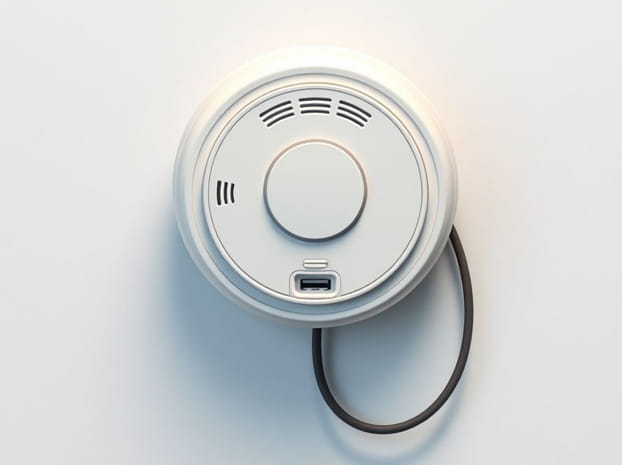
Hardwired Smoke Detector With Wireless Interconnect
Fire safety is a top priority for every homeowner, and one of the best ways to protect your family is through a reliable smoke detection system. A hardwired smoke detector with wireless interconnect offers the stability of a wired system combined with the flexibility of wireless communication. This type of smoke alarm ensures that if one unit detects smoke, all connected alarms in the network will sound, providing faster warnings and better safety coverage throughout the home. Understanding how these detectors work, their benefits, and installation requirements can help you make a smart decision for your household.
What Is a Hardwired Smoke Detector with Wireless Interconnect?
A hardwired smoke detector is connected directly to the home’s electrical system. Unlike battery-only detectors, it has a continuous power source and typically includes a backup battery in case of power outages. The wireless interconnect feature allows multiple detectors to communicate without needing physical wires running between them. This hybrid design combines the security of a permanent power supply with the convenience of wireless networking.
How the Interconnect Works
In a traditional setup, interconnection between smoke detectors required a dedicated wire linking each alarm. With wireless interconnect, devices use radio frequency signals to communicate. When one alarm senses smoke, it sends a signal to the other units, activating them all at the same time. This is especially helpful in larger homes where smoke may not travel quickly enough to trigger every detector.
Benefits of Choosing a Hardwired Smoke Detector with Wireless Interconnect
There are many reasons why homeowners prefer this type of smoke alarm system. Some of the main advantages include
- Enhanced safetyAll alarms in the system sound simultaneously, giving occupants more time to escape during a fire.
- Reliable power sourceBeing hardwired means you are not relying solely on batteries.
- Wireless flexibilityIdeal for homes where running interconnect wires is difficult or costly.
- Expandable systemYou can add more detectors over time and connect them wirelessly.
- Backup protectionBuilt-in batteries keep detectors functioning during power outages.
Key Features to Look For
When shopping for a hardwired smoke detector with wireless interconnect, pay attention to these features
- Dual sensorsSome models include both photoelectric and ionization sensors for improved detection of different fire types.
- Battery backupEssential for continued operation during outages.
- CompatibilityEnsure the detector can connect with other models or brands in your system.
- Ease of installationSome detectors are designed for quick mounting with minimal tools.
- Carbon monoxide detectionCertain units combine smoke and CO detection for extra safety.
Installation Considerations
Installing hardwired smoke detectors with wireless interconnect involves a mix of electrical and placement planning. Here are some points to consider
- Professional vs DIYIf you are comfortable with electrical work, installation is possible on your own. However, many homeowners choose to hire an electrician for safety reasons.
- PlacementSmoke detectors should be installed in every bedroom, outside sleeping areas, and on each level of the home.
- TestingAfter installation, test each alarm to confirm that the wireless interconnect feature is working correctly.
- Code complianceCheck local fire codes for requirements on the type and number of detectors needed.
Wireless Interconnect vs Traditional Interconnect
Many homeowners wonder whether wireless interconnect is better than the traditional wired connection. The answer depends on the home and the specific needs of the residents
- Traditional wired interconnectReliable and widely used but requires extra wiring during installation.
- Wireless interconnectEasier to expand and install, especially in older homes where rewiring is impractical.
For new construction, wired interconnects are often used. For renovations or additions, wireless interconnect is usually more convenient and cost-effective.
Maintenance and Testing
To ensure maximum protection, proper maintenance is essential. Even with a hardwired smoke detector, you must check the system regularly
- Test alarms once a month by pressing the test button.
- Replace backup batteries at least once a year or as recommended by the manufacturer.
- Clean detectors to remove dust and debris that may interfere with sensors.
- Replace units every 8 to 10 years, depending on manufacturer guidelines.
Advantages for Large Homes
Hardwired smoke detectors with wireless interconnect are particularly beneficial in large homes. In houses with multiple floors or extensive layouts, a fire in one area may not immediately alert residents in another section. The wireless interconnect ensures all alarms sound at once, giving families crucial extra minutes to evacuate safely.
Integration with Smart Home Systems
Many modern hardwired smoke detectors with wireless interconnect are compatible with smart home systems. This allows homeowners to receive alerts on smartphones, control detectors remotely, and even connect them to other safety devices such as smart lights or security systems. Integration provides added peace of mind and convenience, especially when you are away from home.
Common Questions
Do I still need batteries if the detector is hardwired?
Yes. Batteries serve as a backup power source in case of a power outage. This redundancy ensures the detector always functions.
Can I connect different brands together?
Some brands allow cross-compatibility, but many do not. Always check manufacturer specifications before mixing detectors.
What happens if the wireless connection fails?
Each unit will still function independently as a smoke detector. The only impact is that the alarms may not trigger simultaneously.
Investing in a hardwired smoke detector with wireless interconnect is one of the most effective ways to improve home fire safety. By combining the reliability of a wired system with the adaptability of wireless communication, these detectors provide strong coverage, flexibility in installation, and peace of mind. Whether you are upgrading an older home or outfitting a new build, this technology ensures that when danger strikes, every alarm sounds together, giving you and your family valuable time to react and stay safe.