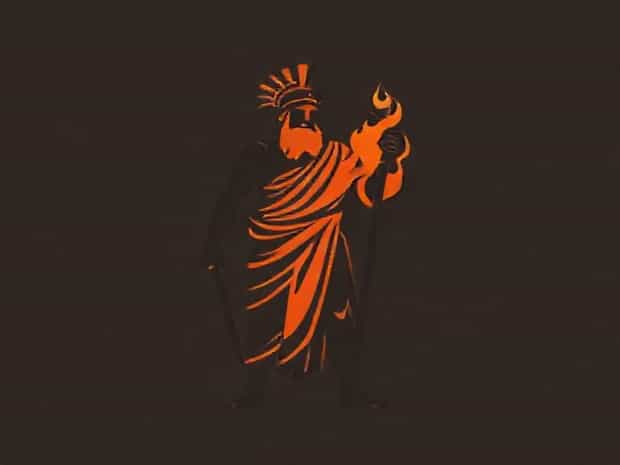
Greek God Of Fire And Craftsmen
Among the many fascinating figures in Greek mythology, the god of fire and craftsmen holds a unique place. Hephaestus, known as the divine blacksmith, symbolized both the raw power of fire and the creativity of skilled craftsmanship. Unlike the gods of war or beauty, Hephaestus represented innovation, hard work, and resilience. His story is not just about divine powers but also about perseverance and the value of skill in shaping civilization. To understand the Greek god of fire and craftsmen is to explore how ancient cultures viewed the importance of technology, artistry, and invention in human progress.
Who Was Hephaestus?
Hephaestus was the Greek god of fire, metalworking, and craftsmanship. He was often depicted with a hammer and anvil, working tirelessly at his forge. Unlike other Olympian gods who embodied strength or beauty, Hephaestus was known for his physical imperfection, often described as lame or disabled. Despite this, he earned respect for his extraordinary skills as an artisan and inventor. His role in mythology highlights the idea that brilliance and creativity can emerge from adversity.
Birth and Early Life
Stories about Hephaestus’ origins vary. In some versions, he was the son of Zeus and Hera. In others, Hera alone gave birth to him, angered by Zeus bringing forth Athena without her. Because of his deformity, Hera is said to have cast him out of Olympus, leading to his fall into the sea. Raised by sea deities, Hephaestus grew up in exile but discovered his talent for metalworking. This beginning reflects a theme of rejection turning into empowerment, as he transformed his pain into creativity.
The Forge of Hephaestus
The forge was central to the identity of the Greek god of fire and craftsmen. Located beneath volcanoes or deep within mountains, his workshop symbolized the combination of natural power and human skill. Fire, destructive by nature, became a tool for creation in the hands of Hephaestus. From weapons to jewelry, he produced masterpieces that even other gods admired.
Tools and Creations
Hephaestus’ forge was filled with wonders, many of which became legendary in Greek mythology
- Zeus’ thunderboltsCrafted with precision, these became symbols of supreme power.
- Achilles’ armorConsidered unbreakable, it played a central role in the Iliad.
- Aegis shieldA protective symbol often associated with Athena and Zeus.
- Mechanical servantsGolden automatons created to assist him, representing early concepts of robotics.
- PandoraThe first woman in Greek mythology, shaped by Hephaestus from clay at Zeus’ command.
Each creation showed how the Greek god of craftsmen combined imagination with technical mastery.
Marriage and Relationships
Hephaestus’ marriage is one of the more complex aspects of his mythology. According to tradition, he was wed to Aphrodite, the goddess of love and beauty. Their union, however, was troubled. Aphrodite’s infidelity with Ares, the god of war, became one of the most famous stories involving Hephaestus. In a clever act of craftsmanship, he forged an invisible net to trap the lovers and expose them to the other gods. This episode shows both his ingenuity and his struggles in personal relationships.
Symbolism of the God of Fire and Craftsmen
Hephaestus carried deep symbolic meaning in Greek culture. Fire represented both destruction and creation, and craftsmanship represented human progress. His imperfections symbolized resilience, reminding people that strength lies not only in physical beauty or brute force but also in intelligence, creativity, and persistence.
Key Symbolic Themes
- TransformationTurning raw elements into masterpieces.
- ResilienceOvercoming rejection and disability to achieve greatness.
- InnovationRepresenting the role of invention in society.
- Dual nature of fireBoth dangerous and essential for progress.
Role in Greek Society
For the ancient Greeks, Hephaestus embodied the dignity of labor. Craftsmen, blacksmiths, and builders looked up to him as their divine patron. Temples dedicated to him, such as the famous Hephaesteion in Athens, honored both his divine status and the value of craftsmanship. By venerating the god of fire and craftsmen, society acknowledged the importance of skilled work in building cities, tools, and culture.
Mythological Stories Featuring Hephaestus
Several myths illustrate the character and contributions of Hephaestus
- The Return to OlympusAfter being cast out, he built a magnificent throne for Hera that trapped her. Only when he was invited back to Olympus was she released, symbolizing his eventual acceptance among the gods.
- The Creation of PandoraOrdered by Zeus, Hephaestus molded Pandora from clay, setting in motion one of mythology’s most famous cautionary tales.
- Achilles’ ArmorHis craftsmanship in forging armor for Achilles demonstrated how his work influenced the outcomes of epic battles.
Comparisons with Other Deities
Hephaestus shares similarities with gods from other cultures who represent fire and craftsmanship. In Roman mythology, he was identified with Vulcan, the god of fire and the forge. In other traditions, deities like Ptah of Egypt and Tvastar of Vedic mythology served as divine artisans. These parallels show that across cultures, societies recognized the importance of craftsmanship and fire in shaping civilization.
Legacy of Hephaestus
The legacy of the Greek god of fire and craftsmen extends beyond mythology. He continues to inspire modern interpretations in literature, art, and even technology. The idea of creativity arising from struggle, or invention born from necessity, reflects his enduring influence. He stands as a reminder that progress requires both imagination and hard work.
Lessons from the God of Fire and Craftsmen
Hephaestus’ story offers timeless lessons for individuals and societies
- Failure or rejection does not define destiny.
- Skill and perseverance can overcome obstacles.
- Innovation is as valuable as strength or beauty.
- Creativity can transform even destructive forces into progress.
Influence in Modern Culture
Today, references to Hephaestus can be found in literature, films, and educational contexts. He represents not just mythology but also the broader theme of human resilience and the role of craftsmanship in progress. Engineers, inventors, and artists often draw inspiration from his symbolism as the ultimate creator god.
The Greek god of fire and craftsmen, Hephaestus, holds a special place in mythology as a symbol of resilience, creativity, and innovation. Unlike many Olympian gods, his strength came not from physical perfection but from skill and determination. His forge produced legendary creations that shaped myths, battles, and even humanity itself. By honoring Hephaestus, the ancients recognized the power of fire and the importance of craftsmanship in building civilization. His story continues to inspire today, reminding us that true greatness lies in turning challenges into opportunities and raw elements into masterpieces.