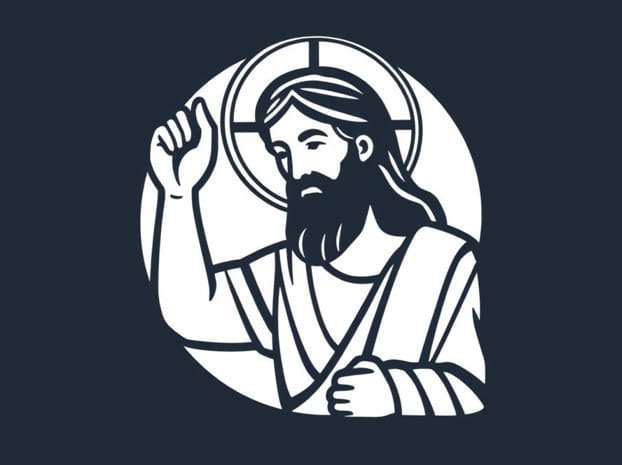
Fun Facts About St Thomas The Apostle
St. Thomas the Apostle is one of the most fascinating figures among the twelve apostles of Jesus Christ, widely remembered for his missionary work, his unwavering faith, and the intriguing stories surrounding his life. Often called Doubting Thomas because of his initial skepticism about Jesus’ resurrection, Thomas’ journey is filled with remarkable events that have inspired generations. Beyond his biblical mentions, various historical accounts, traditions, and legends provide a rich tapestry of facts about his life, travels, and enduring influence. Learning about St. Thomas the Apostle reveals not only his spiritual significance but also fascinating insights into early Christianity, ancient cultures, and missionary journeys across continents.
Who Was St. Thomas the Apostle?
St. Thomas, also known as Didymus, was one of the twelve apostles chosen by Jesus Christ. His nickname, Didymus, means twin, which has led to various interpretations and stories about his family background. Unlike some apostles, Thomas is most famously known for expressing doubt about Jesus’ resurrection, insisting on seeing and touching Jesus’ wounds before believing. This moment of skepticism earned him the enduring title of Doubting Thomas, yet it also demonstrates his human nature and the journey from doubt to faith.
Biblical References
Thomas appears in several passages in the New Testament, most notably in the Gospel of John. In John 1116, Thomas encourages the other disciples to accompany Jesus to Judea, despite the risks, showcasing his bravery and loyalty. In John 2024-29, his encounter with the resurrected Jesus is recorded, highlighting the transformation from doubt to a profound declaration of faith My Lord and my God! These passages establish Thomas as a complex figure who embodies both human doubt and spiritual conviction.
Fun Facts About St. Thomas the Apostle
1. Known as Doubting Thomas
The most widely recognized fact about St. Thomas is his initial doubt regarding Jesus’ resurrection. While this moment is often highlighted, it is also important to note that his doubt led to one of the most significant affirmations of faith recorded in the Bible. Thomas’ story teaches that questioning can be a step toward deeper understanding and belief.
2. Missionary Journeys Across Asia
Tradition holds that St. Thomas traveled extensively to spread Christianity, particularly in the Indian subcontinent. He is believed to have arrived in Kerala, India, in 52 AD, establishing several Christian communities and churches. These communities, known as the Saint Thomas Christians, trace their origins directly to his missionary work and remain vibrant to this day.
3. Martyred for His Faith
St. Thomas is said to have been martyred in Mylapore, near modern-day Chennai, India. According to tradition, he was killed with a spear while praying, demonstrating unwavering commitment to his mission. His martyrdom is commemorated every year, highlighting his courage and dedication to spreading the teachings of Jesus Christ.
4. Patron Saint of India
St. Thomas holds a special place as the patron saint of India, particularly for Christians in the state of Kerala. His contributions to early Indian Christianity have been widely celebrated, with many churches, schools, and institutions named in his honor. Pilgrimages to sites associated with his life and martyrdom are common among devotees.
5. Associated with Twin Symbolism
Thomas’ alternative name, Didymus, means twin in Greek. While the Bible does not provide explicit details about his twin or family life, this name has inspired symbolic interpretations in Christian art and literature, representing duality, faith and doubt, or the blending of human skepticism with divine revelation.
6. Introduced Christianity to India
One of the most remarkable aspects of St. Thomas’ life is his role in establishing Christianity in India. The communities he founded in Kerala, known as the Nasrani or Saint Thomas Christians, have a rich liturgical tradition that blends local customs with Christian beliefs. These communities have preserved unique rituals, prayers, and traditions that trace back nearly 2,000 years to the apostle himself.
7. Numerous Churches Named After Him
Across India and around the world, many churches are dedicated to St. Thomas the Apostle. Notable examples include the San Thome Basilica in Chennai, India, believed to be built over his tomb, and various St. Thomas churches in Kerala. These sites serve as centers of worship, pilgrimage, and historical remembrance.
8. Feast Day Celebrations
St. Thomas’ feast day is observed on July 3 in the Western Christian tradition and on December 21 in some Eastern Christian calendars. These celebrations commemorate his life, missionary work, and ultimate sacrifice. Special masses, prayers, and processions are organized in many regions, particularly in India.
Impact on Early Christianity
St. Thomas’ missionary work had a profound influence on the spread of Christianity beyond the Middle East. By traveling to India, he helped establish one of the earliest Christian communities outside the Roman Empire, ensuring that the teachings of Jesus reached diverse cultures and regions. His efforts contributed to the global expansion of Christianity, highlighting the interconnectedness of faith across continents even in the first century AD.
Legacy of the Saint Thomas Christians
The Saint Thomas Christians in India have preserved a rich cultural and religious heritage. Their liturgy, architecture, and traditions reflect a fusion of Indian culture with early Christian practices. This unique community serves as a living testament to St. Thomas’ enduring legacy and the power of cross-cultural missionary work.
Interesting Legends and Stories
Many legends surround St. Thomas the Apostle, adding depth and intrigue to his historical profile. Some stories suggest miraculous acts during his missionary journeys, including healing the sick, converting influential leaders, and surviving perilous conditions. These accounts, while not always verifiable historically, contribute to his revered status and inspire faith among devotees.
Connection to Apostolic Art
St. Thomas has been represented in various works of Christian art, often depicted with a spear, symbolizing his martyrdom, or touching the risen Christ, symbolizing his transformation from doubt to faith. These artistic portrayals reinforce key elements of his life and serve as educational tools for understanding his story.
St. Thomas the Apostle is a figure of remarkable depth, combining human skepticism with unwavering faith and extraordinary courage. From his role as Doubting Thomas to his pioneering missionary work in India, he has left a lasting legacy that continues to inspire Christians worldwide. His life is marked by bravery, dedication, and a willingness to journey into unknown territories for the sake of spreading the teachings of Jesus Christ. The fun facts about St. Thomas the twin symbolism, his travels, martyrdom, and impact on Indian Christianity highlight not only his historical significance but also his spiritual and cultural influence. By exploring these stories, one gains a richer appreciation for the apostle who transformed doubt into faith and created enduring Christian communities across continents.
St. Thomas the Apostle remains a symbol of devotion, courage, and the power of belief. His story encourages believers to embrace their doubts as steps toward understanding and to pursue their mission with determination. The communities, churches, and traditions he inspired continue to honor his memory and ensure that his contributions to Christianity are remembered for generations to come.