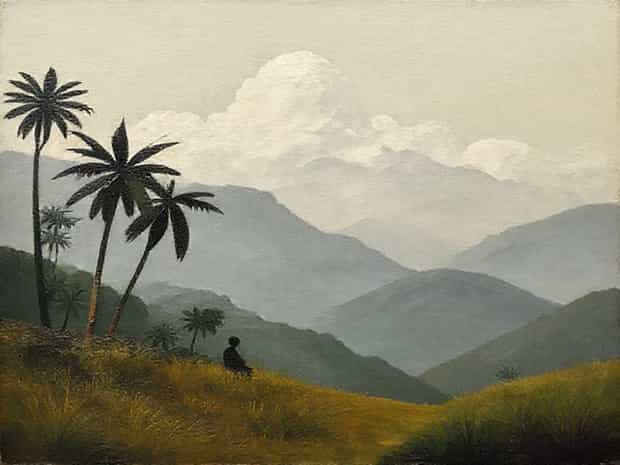
Fernando Amorsolo Paintings With Description
Fernando Amorsolo, widely celebrated as the Grand Old Man of Philippine Art, is renowned for his luminous and evocative paintings that capture the essence of Filipino life and culture. His works are admired for their masterful use of light, warm color palettes, and meticulous attention to detail. Amorsolo’s paintings often depict rural landscapes, daily life in the provinces, and traditional Filipino customs, providing a vivid glimpse into the Philippines during the early to mid-20th century. Exploring his paintings with descriptions allows art enthusiasts and collectors to appreciate the depth, technique, and cultural significance embedded in each piece.
The Artistic Style of Fernando Amorsolo
Fernando Amorsolo’s style is characterized by his unique approach to light and color, which gives his paintings a distinctive, radiant quality. He is particularly famous for capturing the golden glow of sunlight on Philippine countryside landscapes, often referred to as Amorsolo light. His brushwork is precise yet fluid, creating realistic depictions of people, nature, and traditional settings. Amorsolo’s art balances realism with idealized imagery, celebrating Filipino heritage while emphasizing beauty, simplicity, and harmony in everyday life.
Common Themes in Amorsolo’s Paintings
Amorsolo’s paintings frequently explore themes that reflect Filipino culture, tradition, and rural life. Common subjects include
- Rural LandscapesRolling rice fields, coconut groves, and sun-drenched villages showcase the natural beauty of the Philippines.
- Daily LifeScenes of farmers planting rice, women weaving, or children playing capture the rhythms of provincial life.
- Filipino TraditionsFestivities, religious processions, and traditional costumes highlight cultural practices and community life.
- PortraitureAmorsolo also painted portraits of ordinary Filipinos and prominent figures, emphasizing personality and character.
Notable Paintings by Fernando Amorsolo
The Making of the Philippine Flag
This painting depicts a moment of historical significance, capturing the creation of the Philippine flag during the struggle for independence. Amorsolo uses dramatic lighting to emphasize the central figures, their focused expressions, and the symbolic colors of the flag. The painting blends historical accuracy with his signature luminous style, making it both educational and visually compelling.
Planting Rice
Planting Rice is one of Amorsolo’s most iconic works, illustrating farmers working in the fields under the warm, golden sunlight. The painting highlights the physical effort, coordination, and rhythm of rural labor. Amorsolo’s attention to light and shadow enhances the realism while celebrating the dignity and harmony of agricultural life. The lush green and gold hues create a serene and uplifting atmosphere.
Dalagang Bukid
Dalagang Bukid (Country Maiden) portrays a young woman in traditional Filipino attire walking through a sunlit rural setting. The painting captures innocence, grace, and simplicity, reflecting both the beauty of Filipino women and the pastoral charm of provincial life. The interplay of sunlight on her dress and the surrounding foliage exemplifies Amorsolo’s mastery in depicting natural light.
Bathing in the Sun
This work showcases children playing and bathing by a river, surrounded by tropical vegetation. Amorsolo’s use of light creates a warm and cheerful atmosphere, while his detailed rendering of water, reflections, and shadows conveys realism and movement. The painting emphasizes joy, leisure, and the carefree spirit of childhood in rural settings.
Amorsolo’s Portraits
While Amorsolo is primarily known for landscapes and genre scenes, his portraits also reflect his skill and sensitivity as an artist. Portraits of prominent Filipinos, as well as ordinary villagers, reveal character, personality, and cultural identity. Amorsolo’s technique captures not only physical likeness but also the essence of the subject’s emotions and social context, contributing to the historical and cultural value of his works.
Use of Light in Portraiture
Amorsolo’s portraits often employ his signature lighting technique, creating depth, warmth, and a lifelike quality. Sunlight or ambient light is used to highlight facial expressions, gestures, and clothing, emphasizing realism and emotional resonance. This approach enhances the narrative aspect of each portrait, allowing viewers to connect with the subject on a deeper level.
Historical and Cultural Significance
Fernando Amorsolo’s paintings serve as a visual archive of Philippine life and heritage. His depictions of rural landscapes, festivals, and daily activities preserve cultural practices that may otherwise have faded over time. By blending artistry with historical context, Amorsolo’s works educate audiences about Philippine history, customs, and values while celebrating the country’s natural beauty. Collectors and museums consider his paintings invaluable for both artistic and cultural preservation.
Influence on Philippine Art
Amorsolo’s influence on Philippine art is profound. He inspired generations of artists to explore themes of national identity, culture, and light in their own works. His approach to portraying everyday life with idealized realism set a standard for future Filipino painters, shaping the country’s visual art traditions. The popularity of his paintings, both in local and international markets, demonstrates their enduring appeal and significance.
Collecting Amorsolo’s Works
Amorsolo’s paintings are highly sought after by collectors due to their beauty, cultural relevance, and historical importance. Original works can be found in museums, private collections, and occasionally in auctions. Collectors often look for signature elements such as luminous sunlight, rural landscapes, and traditional Filipino subjects to authenticate and appreciate the artwork. These paintings not only hold artistic value but also represent a piece of Filipino heritage and identity.
Tips for Appreciating Amorsolo
- Observe the use of light and shadow and how it enhances the narrative.
- Notice the details in clothing, architecture, and natural elements that reflect Filipino culture.
- Consider the historical context of the painting to understand its significance.
- Pay attention to composition and perspective, which guide the viewer’s eye and create depth.
- Reflect on the mood and emotion conveyed through color, gesture, and setting.
Fernando Amorsolo’s paintings remain a testament to his skill, vision, and dedication to capturing the essence of Filipino life. From sunlit rice fields and rural labor scenes to graceful portraits and festive celebrations, each work is imbued with warmth, realism, and cultural significance. By exploring Amorsolo’s paintings with descriptions, viewers can appreciate the interplay of light, color, and detail, while gaining insight into Philippine history and heritage. His legacy continues to inspire artists and collectors, ensuring that his art remains cherished and celebrated for generations to come.