Examples Of Corporal Punishment
Corporal punishment is a form of physical discipline used to correct or control behavior, typically in educational, domestic, or institutional settings. It involves intentionally inflicting physical pain or discomfort on a person, often a child or student, as a response to undesirable behavior. While corporal punishment has been practiced for centuries in many cultures, modern perspectives on child development, psychology, and human rights have sparked significant debate regarding its effectiveness and ethical implications. Understanding examples of corporal punishment, the contexts in which it occurs, and its impact on individuals is essential for educators, parents, and policymakers seeking to create safe and supportive environments.
Definition and Overview of Corporal Punishment
Corporal punishment is defined as any method of discipline that intentionally causes physical pain to enforce rules or correct behavior. The practice can range from mild physical reprimands to more severe forms of punishment, depending on cultural norms, institutional policies, and legal frameworks. Historically, corporal punishment was widely accepted in schools, homes, and military settings, but contemporary research highlights the potential negative consequences, including emotional trauma, aggression, and long-term psychological effects.
Contexts Where Corporal Punishment Occurs
Corporal punishment has been applied in various contexts throughout history. Some of the common settings include
- Schools and educational institutions
- Homes and family environments
- Juvenile detention centers or correctional facilities
- Military training or disciplinary settings
- Religious or cultural institutions that practice traditional forms of discipline
Each context has unique practices, rules, and societal attitudes toward corporal punishment. The acceptability and legality of such practices vary widely across countries and cultures.
Examples of Corporal Punishment in Schools
In educational settings, corporal punishment has historically been used to maintain discipline and encourage compliance among students. Some examples include
Spanking or Paddling
Spanking involves striking a child’s buttocks with an open hand, while paddling uses a flat wooden board to hit the child. Both methods were commonly employed in schools to punish minor misbehavior or disobedience. While these practices have been legally restricted or banned in many countries, they remain present in certain regions where corporal punishment is culturally accepted.
Slapping or Hitting with Objects
Some schools have used slapping a student’s hand, head, or other body parts, often with a ruler, stick, or cane. These actions aim to create immediate physical discomfort as a deterrent to undesirable behavior. However, research indicates that such methods can cause physical injury and emotional distress, raising ethical concerns.
Standing in Punitive Positions
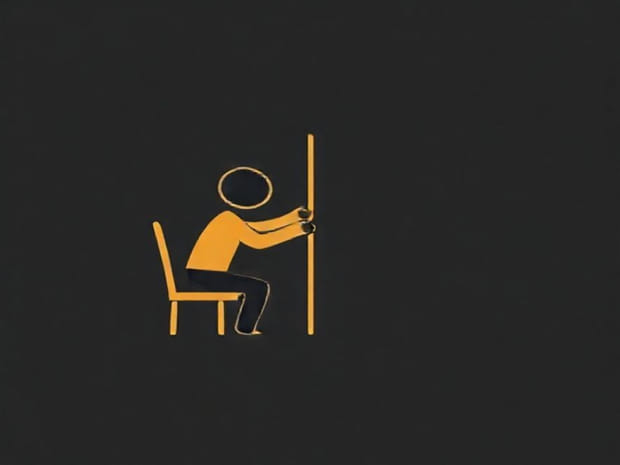
While not always involving direct physical pain, forcing students to stand in uncomfortable positions for extended periods can be considered a form of corporal punishment. This method emphasizes control and discomfort, creating physical strain to reinforce discipline.
Examples of Corporal Punishment at Home
Corporal punishment in domestic settings has been a traditional method of child-rearing in many cultures. Parents or guardians often use physical discipline to correct behavior or enforce rules. Common examples include
Spanking or Slapping
Similar to school settings, parents may spank or slap children as a response to misbehavior. The intensity, frequency, and cultural acceptability vary depending on family values and societal norms.
Use of Objects for Physical Discipline
Some caregivers have employed objects such as belts, wooden spoons, or sticks to administer punishment. These methods are controversial and have been linked to increased aggression, fear, and long-term psychological effects in children.
Forced Physical Tasks
Requiring children to perform physically challenging or uncomfortable tasks as punishment, such as excessive chores or holding difficult positions, can also be considered a form of corporal punishment. These methods create physical discomfort without necessarily causing direct harm, but they still aim to enforce discipline through physical means.
Corporal Punishment in Juvenile and Correctional Settings
In some juvenile detention centers or correctional facilities, corporal punishment has been used historically as a means of discipline. Examples include
- Striking detainees with batons or rods
- Forcing physical exercises as a punitive measure
- Restraining individuals in uncomfortable positions
Modern correctional policies increasingly discourage physical punishment, favoring behavioral programs, counseling, and restorative practices to promote rehabilitation without causing harm.
Physical vs. Psychological Effects
Corporal punishment can produce immediate physical pain, but its effects extend beyond the body. Studies suggest that repeated exposure to physical punishment can lead to
- Increased aggression and antisocial behavior
- Fear, anxiety, and emotional distress
- Lower self-esteem and impaired social development
- Potential physical injuries or chronic pain
- Long-term mental health issues such as depression or post-traumatic stress
These outcomes highlight the importance of exploring alternative, non-violent methods of discipline that encourage learning, self-control, and emotional well-being.
Alternatives to Corporal Punishment
Given the negative consequences associated with physical discipline, educators, parents, and policymakers have increasingly sought alternative strategies. Effective non-physical methods include
Positive Reinforcement
Rewarding desirable behavior with praise, privileges, or small incentives encourages repetition of positive actions without causing harm.
Time-Outs and Reflection
Removing a child from a stimulating environment and allowing time for reflection can be effective in promoting self-discipline and understanding of consequences.
Behavioral Contracts and Goal Setting
Creating agreements with children that outline expectations and rewards for meeting goals fosters responsibility and cooperation, replacing the need for physical punishment.
Consistent Communication
Open discussions about behavior, consequences, and expectations help children understand rules and make informed choices, reducing reliance on corporal punishment.
Legal Considerations
The legality of corporal punishment varies widely around the world. Many countries have banned physical punishment in schools and homes, citing children’s rights and the potential for harm. International organizations, such as the United Nations, advocate for non-violent disciplinary methods and emphasize the protection of children from physical abuse. Understanding legal frameworks is essential for caregivers, educators, and institutions to ensure compliance and safeguard children’s well-being.
Examples of corporal punishment include spanking, slapping, paddling, using objects for physical discipline, and forcing uncomfortable physical tasks. These practices have historically been used in schools, homes, and correctional settings to control behavior and enforce rules. However, research indicates that corporal punishment can cause significant physical and psychological harm, prompting the development of non-violent alternatives such as positive reinforcement, time-outs, and behavioral contracts. As societies evolve and prioritize children’s rights and well-being, understanding the consequences of corporal punishment and exploring effective alternatives is crucial for creating safe, supportive, and nurturing environments for all individuals.
Ultimately, while corporal punishment remains a part of historical and cultural practices, modern approaches to discipline emphasize empathy, communication, and guidance over physical pain. Educators, parents, and caregivers can learn from these examples to implement strategies that promote responsible behavior, emotional development, and healthy relationships without resorting to harmful physical punishment.