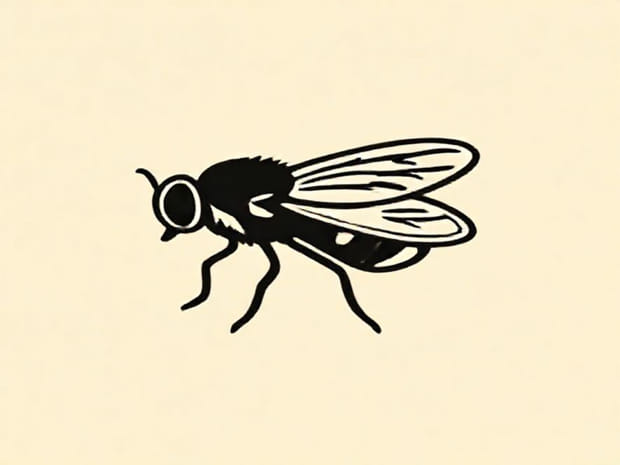
Example Of Tsetse Fly
The tsetse fly is a fascinating yet notorious insect, primarily known for its role as a vector of African trypanosomiasis, also called sleeping sickness in humans and nagana in animals. Found predominantly in sub-Saharan Africa, tsetse flies belong to the genusGlossinaand are hematophagous, meaning they feed exclusively on the blood of vertebrate animals. Their significance extends beyond biology to public health, agriculture, and economic development, as they affect both human populations and livestock productivity. Understanding the tsetse fly, its biology, behavior, and impact on disease transmission is crucial for developing strategies to control its spread and minimize its effects on affected communities. This topic explores the characteristics, life cycle, ecological importance, and examples of tsetse fly species, providing a comprehensive overview of this important insect.
Introduction to Tsetse Fly
Tsetse flies are medium-sized insects, typically 6 to 14 millimeters in length, with a distinct appearance characterized by a long proboscis used for blood-feeding and a distinctive wing position at rest, which overlaps in a scissor-like pattern. They are exclusively found in Africa, where their habitat ranges from dense forests to savannahs, depending on the species. The primary concern regarding tsetse flies is their role in transmitting trypanosomes, protozoan parasites responsible for sleeping sickness in humans and animal trypanosomiasis in livestock. These diseases have historically hindered settlement, agriculture, and economic development in many regions, making tsetse flies a major focus of entomological and epidemiological research.
Biology and Morphology
- Medium-sized insects with elongated proboscis for blood-feeding.
- Wings fold directly over the abdomen in a characteristic manner.
- Adults are capable of flying and are active during the day.
- Hematophagous, feeding on both humans and animals depending on species and availability.
- Exhibit viviparous reproduction, giving birth to live larvae rather than laying eggs.
Life Cycle of Tsetse Fly
The life cycle of tsetse flies is unique among insects, with significant adaptations that influence their population dynamics and control strategies. Tsetse flies are viviparous, meaning females give birth to live larvae instead of laying eggs. After mating, the female tsetse fly nourishes a single larva internally using specialized milk glands. Once the larva reaches maturity, it is deposited into the soil, where it pupates. The pupal stage can last from a few weeks to over a month, depending on environmental conditions such as temperature and humidity. Following pupation, an adult fly emerges, ready to feed and reproduce, continuing the cycle. This slow reproductive rate is one reason why tsetse fly populations can be controlled effectively with sustained intervention strategies, despite their role in disease transmission.
Species Examples
There are over 20 recognized species of tsetse fly, each with specific habitat preferences and host ranges. Some notable examples include
- Glossina morsitansFound primarily in savannah regions, feeds on wild and domestic animals, and is a major vector of animal trypanosomiasis.
- Glossina palpalisPrefers riverine and forested areas, feeds on both humans and animals, and is a primary vector of human sleeping sickness.
- Glossina fuscipesCommon in riverine habitats, also involved in transmission of human trypanosomiasis.
- Glossina tachinoidesInhabits gallery forests and bushlands along rivers, contributing to both animal and human disease spread.
Impact on Human Health
Tsetse flies are the primary vectors of African trypanosomiasis, a disease caused by protozoan parasites of the genusTrypanosoma. Human African trypanosomiasis (HAT) progresses in two stages. The early stage, called the hemolymphatic phase, involves fever, headache, joint pain, and lymph node swelling. If untreated, the infection advances to the neurological phase, or sleeping sickness stage, where parasites cross the blood-brain barrier, causing confusion, disrupted sleep cycles, and neurological deterioration. Without timely medical intervention, sleeping sickness can be fatal. Control measures targeting tsetse flies, such as traps, insecticides, and sterile insect techniques, are essential to prevent transmission and reduce disease burden.
Impact on Livestock and Agriculture
Animal African trypanosomiasis, known as nagana, is another major consequence of tsetse fly activity. This disease affects cattle, goats, horses, and other domesticated animals, causing fever, anemia, weight loss, reduced fertility, and often death if untreated. The economic impact on agriculture is substantial, as livestock productivity declines, and farmers incur additional costs for veterinary care and disease management. Regions heavily infested with tsetse flies often experience limitations on grazing and livestock rearing, which in turn affect food security and local economies. Strategies to manage tsetse populations and prevent trypanosomiasis are critical for sustainable agriculture in affected regions.
Methods of Control
Various strategies have been developed to control tsetse fly populations and reduce disease transmission
- Insecticide-treated traps and screensEffective in attracting and killing adult flies while reducing population density.
- Targeted aerial sprayingUsed in large-scale eradication programs to decrease fly numbers over extensive areas.
- Sterile insect technique (SIT)Releasing sterilized male flies to mate with females, resulting in no offspring and gradual population decline.
- Environmental managementClearing vegetation along riverbanks or modifying habitats to reduce tsetse fly breeding sites.
- Livestock treatmentAdministering trypanocidal drugs to animals to prevent disease spread and maintain productivity.
Ecological Role of Tsetse Flies
Although tsetse flies are largely considered pests due to their disease transmission, they also play a role in the ecosystem. They serve as prey for birds, reptiles, and other insects, contributing to the food web. Additionally, by limiting livestock grazing in certain areas, they inadvertently help maintain natural vegetation and biodiversity. Understanding this ecological role is important when implementing control measures to avoid unintended environmental consequences.
The tsetse fly is an insect of major significance due to its role as a vector of human and animal trypanosomiasis. Examples of tsetse fly species, includingGlossina morsitans,Glossina palpalis, andGlossina fuscipes, illustrate the diversity of habitats, host preferences, and disease transmission potential among these flies. Their unique biology, including viviparous reproduction and specialized blood-feeding mechanisms, contributes to their impact on public health and agriculture. Controlling tsetse fly populations is critical for reducing the prevalence of sleeping sickness and animal trypanosomiasis, and strategies such as traps, insecticides, sterile insect techniques, and habitat management have proven effective when applied consistently. Beyond their negative effects, tsetse flies also hold an ecological role, highlighting the complexity of managing their populations while preserving ecosystem balance.
In summary, the tsetse fly is both a biological marvel and a significant challenge for human and animal health in Africa. Understanding its characteristics, life cycle, examples, and impact on disease transmission is essential for researchers, healthcare professionals, farmers, and policymakers. Effective control and management of tsetse fly populations require integrated approaches that balance public health needs with ecological considerations, ensuring sustainable solutions for affected communities and ecosystems.