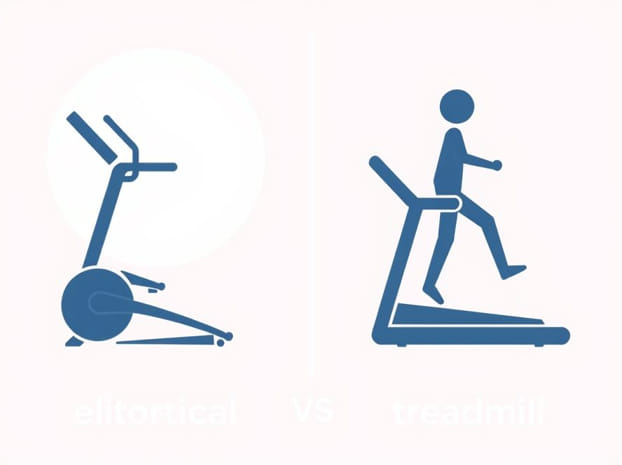
Elliptical Vs Incline Treadmill
When it comes to choosing between the elliptical and the incline treadmill, many fitness enthusiasts find themselves wondering which machine is the better option. Both provide excellent cardiovascular workouts, help burn calories, and can improve endurance, but they differ in how they work the body, the impact they place on the joints, and the types of fitness goals they support. Understanding the benefits, drawbacks, and unique features of each machine can help you make the best choice for your exercise routine and long-term fitness journey.
Understanding the Elliptical
The elliptical machine is a popular piece of cardio equipment found in gyms and homes alike. Its main feature is the smooth, gliding motion that mimics walking, running, or climbing without the harsh impact. The pedals move in an oval path, allowing users to work the lower body, and in many cases, the handles engage the upper body for a full-body workout.
Benefits of the Elliptical
- Low-Impact ExerciseThe elliptical is gentle on the joints, making it ideal for people with knee, hip, or ankle issues.
- Full-Body WorkoutThe moving handles engage arms, shoulders, and chest in addition to the legs.
- Customizable IntensityResistance and incline settings allow for both light cardio and challenging strength-focused sessions.
- Calorie BurningWith proper intensity, the elliptical can burn a significant amount of calories, aiding in weight management.
- Rehabilitation FriendlyOften recommended for individuals recovering from injuries due to its low-impact nature.
Drawbacks of the Elliptical
- Less Specific to RunningFor athletes who want to improve outdoor running performance, the elliptical may not provide the same carryover.
- Learning CurveSome beginners find the motion awkward until they adjust.
- Limited Muscle EngagementWhile it involves the whole body, it may not target leg muscles as intensely as incline treadmill workouts.
Understanding the Incline Treadmill
The incline treadmill is a versatile machine that allows users to walk or run on a flat surface or at varying degrees of incline. Walking or running uphill significantly increases calorie burn and muscle activation compared to flat treadmill use. Many people use incline treadmill workouts to mimic hiking or to strengthen the lower body.
Benefits of the Incline Treadmill
- Increased Calorie BurnWalking or running uphill can double or triple calorie expenditure compared to flat walking.
- Strengthens Lower BodyThe incline engages glutes, hamstrings, and calves more effectively than the elliptical.
- Improves EnduranceHelps build stamina for outdoor activities like hiking and running.
- Variety of WorkoutsUsers can switch between walking, jogging, sprinting, and incline walking.
- Realistic Running SimulationBetter for runners who want to train for races or improve speed and endurance.
Drawbacks of the Incline Treadmill
- Higher ImpactRunning on a treadmill, even at an incline, places stress on the knees and joints.
- Risk of Overuse InjuriesOverdoing incline training may lead to shin splints or tendon discomfort.
- Requires More EffortNot always ideal for beginners or people with limited mobility.
Elliptical vs Incline Treadmill Calorie Burn
When comparing calorie burn, both machines can be effective depending on workout intensity. The incline treadmill generally burns more calories when walking or running uphill because it forces the body to work harder against gravity. However, the elliptical allows for longer workouts without joint discomfort, which can balance out the overall calorie expenditure over time. Choosing between the two often comes down to whether you prefer a high-intensity uphill challenge or a sustained low-impact session.
Elliptical vs Incline Treadmill Impact on Joints
For individuals with joint problems or those recovering from injuries, the elliptical clearly has the advantage. The fluid motion reduces pounding on the knees, hips, and ankles. On the other hand, incline treadmill workouts simulate real-life movement and strengthen the joints over time, but they also carry a greater risk of discomfort or overuse injuries if not performed carefully.
Elliptical vs Incline Treadmill Muscle Activation
The elliptical distributes effort across the upper and lower body, making it ideal for balanced workouts. The incline treadmill, however, targets the lower body muscles more intensely, especially the glutes and hamstrings. If your primary goal is to tone and strengthen your legs, the incline treadmill may provide better results. If you want an upper-body element as well, the elliptical is the winner.
Which Is Better for Weight Loss?
Both machines can be excellent tools for weight loss, but the incline treadmill typically burns more calories per minute due to the added resistance of incline walking or running. However, because the elliptical is easier on the joints, it may allow users to sustain workouts for longer periods, leading to consistent calorie burn over time. Ultimately, consistency is the key factor, so choosing the machine you enjoy most may provide the best weight loss results.
Elliptical vs Incline Treadmill for Beginners
Beginners may feel more comfortable starting with the elliptical since it requires less balance and places minimal stress on the body. The incline treadmill can feel challenging for those not used to walking uphill. However, starting with low inclines and gradually increasing difficulty makes it approachable for beginners who want a more intense workout as they progress.
Elliptical vs Incline Treadmill for Athletes
Athletes often favor the incline treadmill because it closely mimics real running conditions and improves cardiovascular performance. Distance runners, in particular, benefit from treadmill incline training to build stamina and strength. The elliptical, while excellent for cross-training, may be better suited for recovery days or as a complement to running-focused programs.
Making the Right Choice
The decision between the elliptical and incline treadmill depends largely on personal fitness goals, current fitness level, and any existing health considerations. Those seeking a low-impact, joint-friendly option may gravitate toward the elliptical, while those who want to challenge their legs and replicate outdoor running may find the incline treadmill more effective.
Tips for Maximizing Workouts
- Alternate between elliptical and incline treadmill sessions to keep workouts fresh and balanced.
- On the elliptical, increase resistance and vary incline settings to avoid plateauing.
- On the treadmill, start with moderate inclines before progressing to steeper grades to prevent injury.
- Incorporate interval training on both machines to maximize calorie burn and improve cardiovascular health.
- Always warm up and cool down to reduce muscle strain and improve recovery.
Elliptical vs incline treadmill is a common debate among fitness enthusiasts, and both machines offer unique advantages. The elliptical provides a smooth, low-impact full-body workout that suits all fitness levels, while the incline treadmill delivers an intense calorie burn and strengthens the lower body. Instead of focusing on which machine is universally better, the real answer lies in choosing the one that best aligns with your goals, lifestyle, and comfort level. Whether you are looking to lose weight, build strength, or simply maintain an active lifestyle, both the elliptical and incline treadmill can play an important role in your fitness routine.