Does Lake Champlain Freeze
Lake Champlain, located between the states of New York and Vermont and extending slightly into Quebec, Canada, is a large freshwater lake known for its natural beauty, recreational opportunities, and ecological significance. One question that often arises about this lake is whether it freezes during the winter months. Understanding the freezing patterns of Lake Champlain is important for residents, boaters, anglers, and researchers, as it affects navigation, wildlife, and winter recreational activities such as ice fishing and skating. The lake’s freezing behavior depends on a combination of climate, water depth, currents, and seasonal temperature variations.
Geography and Characteristics of Lake Champlain
Lake Champlain stretches over 120 miles in length and varies in width from three to twelve miles, covering a surface area of approximately 490 square miles. The lake is relatively deep, with an average depth of about 64 feet and a maximum depth of 400 feet. Its large size and varying depth influence how the lake responds to cold temperatures. Water volume, combined with inflows from rivers such as the Richelieu and Winooski, affects how quickly the surface can freeze during winter months.
Climate and Seasonal Temperature
The climate of the Lake Champlain region plays a critical role in determining whether the lake freezes. Winters in this area are generally cold, with average temperatures often falling below freezing for extended periods. Cold air masses from the north can persist for weeks, allowing the surface of the lake to gradually cool. However, the lake’s large size and water volume slow the freezing process, making complete ice coverage less predictable from year to year.
Lake Currents and Wind Effects
Lake Champlain experiences currents and wind patterns that affect its freezing. Wind can stir the water, preventing the formation of a solid ice layer in certain areas. Shallow bays and coves are more likely to freeze because they experience less wind and water movement. In contrast, deeper sections of the lake with strong currents may remain open even during prolonged cold spells.
Historical Freezing Patterns
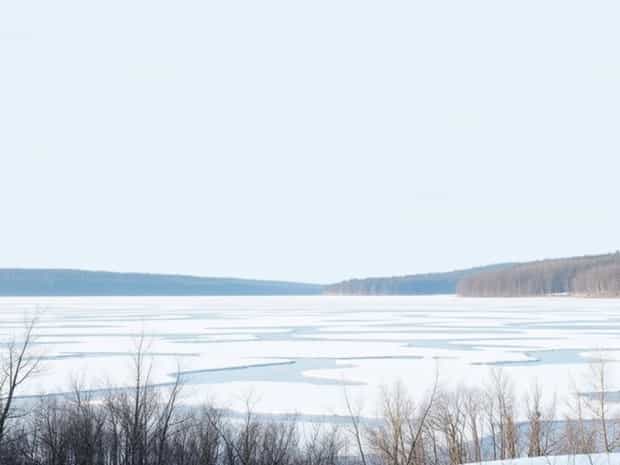
Historical records and local observations provide insight into the freezing behavior of Lake Champlain. In some winters, the lake freezes completely, creating a solid ice cover suitable for winter sports and safe travel in specific areas. In other years, only parts of the lake, such as sheltered bays or nearshore areas, develop ice. Variations in snowfall, temperature, and wind contribute to these differences.
Complete vs. Partial Freezing
- Complete FreezingOccurs during extended periods of extremely cold weather when the majority of the lake’s surface becomes covered in ice. This allows ice fishing, cross-country skiing, and other winter activities.
- Partial FreezingHappens when only sections of the lake freeze, usually in shallow areas, sheltered bays, or near river inflows. Open water may remain in the deeper central regions due to currents and water volume.
Factors Influencing Year-to-Year Variation
The degree to which Lake Champlain freezes varies each winter. Some factors influencing this variation include
- Temperature TrendsWarmer winters delay or prevent full freezing.
- SnowfallHeavy snow can insulate the ice surface, slowing ice formation or promoting melting.
- Wind and StormsStrong winds can break up existing ice and prevent solid formation.
- Water Level ChangesHigh inflows or changes in lake levels can affect freezing patterns.
Ecological Impacts of Freezing
Freezing of Lake Champlain has significant ecological implications. Ice formation influences aquatic life, nutrient cycling, and winter survival strategies for fish and other organisms. For example, ice cover can reduce light penetration, affecting photosynthesis in aquatic plants. Fish species adapt to these seasonal changes by moving to deeper, unfrozen waters or adjusting their metabolic activity to survive colder temperatures.
Winter Habitats for Wildlife
Shallow areas that freeze provide unique habitats for certain wildlife species. Birds, such as waterfowl, may use frozen shores for resting or feeding on exposed vegetation. Similarly, ice edges serve as hunting grounds for predators like foxes and owls. Understanding freezing patterns is important for wildlife management and conservation planning.
Impact on Water Quality
Ice cover affects water quality by altering oxygen levels and influencing sediment interactions. During complete freezing, reduced gas exchange with the atmosphere may lead to lower oxygen levels under the ice, which can impact fish and other aquatic organisms. Partial freezing can maintain oxygen circulation, benefiting certain species and preventing fish kills.
Human Activities and Freezing
Lake Champlain’s freezing patterns have long influenced human activities. Winter recreation, transportation, and community traditions are all affected by whether and where the lake freezes. Ice fishing is one of the most popular winter pastimes, attracting residents and tourists to frozen sections. Skating, snowmobiling, and cross-country skiing are other activities enabled by solid ice cover.
Safety Considerations
While the lake can freeze, safety is a major concern. Ice thickness varies depending on location, temperature, and currents. Residents are advised to measure ice depth before engaging in activities and to avoid thin or unstable areas. Public safety agencies often provide guidance on safe ice use and monitor changes in freezing conditions throughout the winter.
Transportation and Access
Historically, frozen sections of Lake Champlain have been used as temporary transportation routes for local communities, allowing access to otherwise difficult-to-reach areas. Modern transportation now relies on roads and bridges, but the frozen lake still plays a role in recreational access and seasonal movement.
Climate Change and Future Freezing Trends
Climate change is influencing the freezing patterns of Lake Champlain. Warmer winters and shifting precipitation patterns have led to less frequent complete freezing events. Reduced ice cover impacts winter recreation, ecological balance, and local traditions. Scientists monitor these trends to understand long-term effects on the lake’s ecosystem and regional climate adaptation strategies.
Monitoring and Research
Research organizations track ice formation, thickness, and duration on Lake Champlain to provide accurate data for safety, recreation, and ecological studies. Satellite imagery, on-site measurements, and historical records help identify trends and inform predictions about future freezing behavior.
Lake Champlain does freeze during winter, but the extent and consistency of freezing vary depending on temperature, wind, water depth, and seasonal conditions. Shallow bays and sheltered areas tend to freeze first, while deeper regions with strong currents may remain open. Freezing has important ecological impacts, influences human recreation, and has historically affected transportation. Observing freezing patterns is essential for safety, wildlife management, and understanding the effects of climate change. The lake’s unique combination of size, depth, and regional climate ensures that freezing remains a complex and dynamic natural phenomenon, shaping both the environment and human interaction with Lake Champlain during the colder months.