Does Europe Chlorinate Water
Access to clean and safe drinking water is a critical concern in Europe, as it is worldwide. One of the common questions regarding European water supply is whether the water is chlorinated. Chlorination is a process that involves adding chlorine or chlorine compounds to water to disinfect it and kill harmful bacteria and pathogens. While some countries use chlorine as part of their water treatment, others rely on alternative methods. Understanding how Europe treats its water helps travelers, residents, and researchers gain insight into water safety, health standards, and regional differences in public water systems.
Chlorination in Water Treatment
Chlorination has been used for over a century as a reliable method to disinfect drinking water. The process involves adding chlorine, which reacts with microorganisms to eliminate bacteria, viruses, and other harmful pathogens. Chlorine also leaves a residual effect in the water, providing ongoing protection as it moves through pipes to households. While effective, chlorination can sometimes result in a taste or odor that some consumers find unpleasant. Many countries balance the benefits of chlorination with potential drawbacks, exploring other treatment methods such as ultraviolet (UV) light or ozone treatment.
European Approach to Water Disinfection
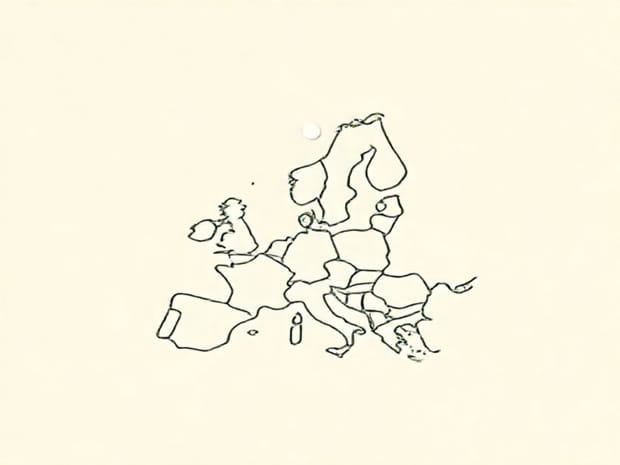
In Europe, water treatment practices vary significantly depending on the country, local regulations, and the quality of the source water. Some European countries, such as France and Germany, generally do not rely heavily on chlorination for municipal water supplies. Instead, they use advanced filtration, UV treatment, and ozone to ensure water safety. In countries like the United Kingdom and Spain, chlorination is more commonly applied, particularly in areas where water sources are vulnerable to contamination. European water standards are regulated by the European Union, which sets strict limits on chemical residues, microbial content, and overall water quality.
Reasons for Limited Chlorination in Europe
There are several reasons why many European countries limit the use of chlorine in drinking water. First, European water sources are often of high natural quality, requiring less chemical treatment. Rivers, lakes, and underground aquifers used for drinking water are frequently monitored and protected by environmental regulations. Second, some countries prioritize alternative disinfection methods, such as ozone or UV light, which can remove pathogens without introducing chlorine byproducts. Third, public perception and taste preferences play a role; many Europeans prefer water without the strong taste associated with chlorine.
Alternative Water Treatment Methods
European countries employ several alternative methods to ensure safe drinking water
- Ultraviolet (UV) LightUV light kills bacteria and viruses by disrupting their DNA. It is chemical-free and does not affect water taste.
- OzonationOzone is a powerful oxidant that disinfects water and can break down certain contaminants. It is often combined with filtration systems.
- FiltrationSand, activated carbon, and membrane filters remove impurities, sediments, and microorganisms from water.
- Combined MethodsSome water treatment plants use a combination of ozone or UV treatment with minimal chlorination to ensure safety while reducing chlorine levels.
Country-Specific Practices
Water treatment practices differ widely across Europe. In Germany, for example, chlorination is rarely used, and water quality is maintained through rigorous monitoring, filtration, and natural purification processes. France also limits chlorination, with large cities relying on filtration, ozone, and UV treatment. The Netherlands uses advanced treatment technologies, including activated carbon and UV, to reduce the need for chlorine. In contrast, some areas of Spain, Portugal, and the UK do use chlorine in municipal water to maintain safety standards, especially in regions with older infrastructure or surface water sources prone to contamination.
Health and Safety Considerations
Chlorinated water is generally safe to drink, and the amounts used in municipal water treatment are carefully controlled. Chlorine effectively prevents waterborne diseases, including cholera and typhoid, which were common before widespread water treatment. However, chlorine can react with organic matter in water to form disinfection byproducts, such as trihalomethanes (THMs), which are regulated due to potential health risks. European Union directives limit these byproducts to ensure public safety. Regular testing, monitoring, and reporting help maintain high standards of drinking water quality across Europe.
Travelers and Drinking Water in Europe
For travelers, understanding water treatment practices in Europe is useful for making informed choices about drinking water. In most European countries, tap water is safe and meets stringent quality standards. Bottled water is widely available, but many locals prefer tap water due to its safety and taste. Travelers sensitive to chlorine taste can find filtered tap water or bottled options in most cities. Awareness of regional differences in water treatment can help prevent confusion or unnecessary concern while traveling.
Environmental and Sustainability Factors
Europe places a strong emphasis on sustainable water management. Reducing chlorine use is part of broader efforts to minimize chemical exposure and environmental impact. Many countries invest in natural water protection, wastewater recycling, and eco-friendly treatment technologies. By minimizing reliance on chlorination, European countries aim to maintain safe, high-quality drinking water while reducing chemical residues that could affect ecosystems.
While chlorination is a widely recognized method of water disinfection, its use in Europe varies depending on country, water source quality, and local regulations. Some European nations use chlorine sparingly, favoring alternative methods such as UV treatment, ozone, and filtration. Chlorination is applied in certain areas where additional safety measures are required, but overall, European water systems prioritize high-quality natural sources and sustainable treatment practices. Understanding whether Europe chlorinates water provides valuable insight into regional differences, public health policies, and environmental considerations, helping residents and travelers navigate safe drinking water choices effectively.