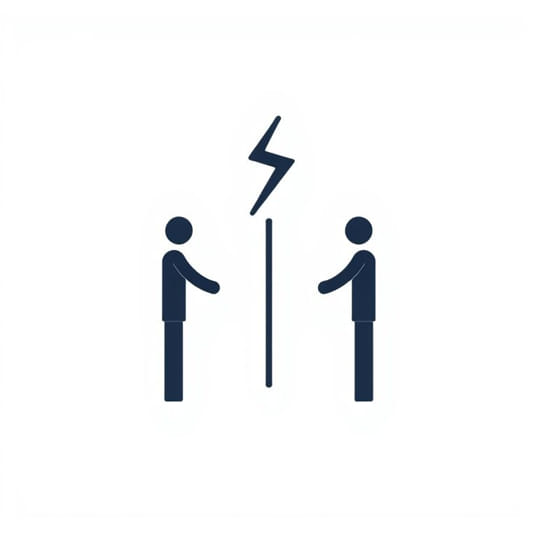
Definition Of Unequal Power Relations
Unequal power relations are a fundamental concept in sociology, political science, and organizational studies, reflecting the ways in which power is distributed unevenly among individuals, groups, or institutions. These imbalances influence decision-making, access to resources, social status, and the ability to affect outcomes in society. Understanding unequal power relations is crucial for analyzing social dynamics, recognizing patterns of oppression, and addressing issues related to inequality and justice. Such relations are often embedded in social, economic, and political structures, shaping how people interact and how opportunities and privileges are allocated across different segments of society.
Defining Unequal Power Relations
Unequal power relations refer to the systemic differences in authority, influence, and control between actors in a social or institutional context. Power is not always overt or coercive; it can be subtle, embedded in norms, policies, and cultural expectations. Those with more power often have the ability to shape rules, define acceptable behavior, and control access to resources or opportunities. Conversely, individuals or groups with less power may face limitations, marginalization, or exploitation, which can reinforce cycles of inequality over time.
Key Characteristics
- Imbalance of authority One party holds more decision-making or control power than others.
- Influence over resources Unequal access to economic, social, or political resources.
- Social hierarchy Structured positions in society that determine status and privilege.
- Dependency Less powerful actors often rely on those with greater power for opportunities, protection, or validation.
Forms of Unequal Power Relations
Unequal power relations can manifest in a variety of forms depending on the context. They may appear in workplaces, families, communities, governments, and global relations. Recognizing these forms helps in understanding how inequality perpetuates across different levels of society and how it affects individual and collective behavior.
Economic Power Imbalances
Economic inequalities often reflect power disparities, where wealthier individuals or corporations hold more influence over markets, employment, and resources. These imbalances can determine access to education, healthcare, and social mobility, creating systemic advantages for those already in power while limiting opportunities for marginalized populations.
Political Power Disparities
In political contexts, unequal power relations are evident in the distribution of authority, voting rights, representation, and policy influence. Governments, political elites, or interest groups may exert disproportionate control over decision-making processes, affecting legislation, law enforcement, and public resource allocation. Citizens with less political power may struggle to influence policies that affect their lives, perpetuating cycles of marginalization.
Social and Cultural Power Differences
Social hierarchies, norms, and cultural expectations can reinforce unequal power relations. Factors such as race, gender, ethnicity, religion, and social class influence who has authority, whose voices are heard, and whose experiences are validated. Cultural norms may subtly enforce compliance or limit opportunities for certain groups, creating systemic inequities that persist across generations.
Impacts of Unequal Power Relations
Unequal power relations affect society at multiple levels, from individual experiences to global interactions. These imbalances can lead to social tensions, economic disparities, discrimination, and political unrest. Understanding these effects is essential for creating strategies to address inequality, promote fairness, and empower marginalized communities.
Individual Impacts
- Limited access to resources such as education, healthcare, and employment opportunities.
- Reduced autonomy and decision-making capacity in personal and professional contexts.
- Psychological effects, including stress, anxiety, and feelings of helplessness or marginalization.
Societal Impacts
- Perpetuation of social inequality and systemic injustice.
- Creation of social hierarchies that reinforce privilege for dominant groups.
- Potential for conflict, tension, and social unrest due to perceived or actual injustices.
Global Implications
On an international scale, unequal power relations shape trade, diplomacy, resource allocation, and geopolitical influence. Powerful nations or organizations often set rules and standards that affect less powerful states, creating structural advantages that influence global development, economic growth, and political stability.
Analyzing Unequal Power Relations
Scholars and practitioners analyze unequal power relations using various theoretical frameworks and methodologies. These approaches help to identify sources of power, mechanisms of control, and strategies for empowerment. Understanding power dynamics is critical for policy-making, organizational management, and social activism.
Theoretical Approaches
- Marxist Theory Focuses on economic structures and class struggles as the basis for power disparities.
- Feminist Theory Examines gendered power relations and their influence on social, political, and economic inequalities.
- Critical Race Theory Explores how race and systemic racism contribute to power imbalances.
- Postcolonial Theory Investigates historical and global contexts of domination, exploitation, and residual inequalities.
Methods of Analysis
Methods include qualitative studies such as interviews, ethnography, and discourse analysis, as well as quantitative approaches like surveys, statistical modeling, and comparative studies. These methods help to uncover hidden patterns of power, assess their impact, and develop strategies to reduce inequality.
Addressing Unequal Power Relations
Addressing unequal power relations requires intentional policies, social interventions, and cultural changes. Strategies often focus on redistributing resources, increasing representation, promoting equity, and empowering marginalized groups. Education, advocacy, and legal frameworks play a significant role in creating environments where power is more evenly distributed.
Strategies for Change
- Policy reforms that ensure equitable access to education, healthcare, and economic opportunities.
- Inclusive governance and decision-making that amplify underrepresented voices.
- Social campaigns that challenge stereotypes, norms, and discriminatory practices.
- Grassroots empowerment initiatives that provide skills, resources, and agency to marginalized communities.
Unequal power relations are a pervasive and influential aspect of human society. They shape access to resources, social hierarchies, political influence, and cultural norms, affecting both individuals and communities. By analyzing the sources, forms, and impacts of power imbalances, scholars and practitioners can better understand inequality and develop strategies to promote fairness and justice. Recognizing the complexities of unequal power relations is essential for creating more equitable social, political, and economic systems.
Ultimately, addressing unequal power relations requires both awareness and action. It involves questioning existing hierarchies, advocating for systemic change, and empowering those who are marginalized. Through continued analysis, dialogue, and intervention, society can move toward more balanced and just power structures, fostering environments where individuals have greater agency, opportunity, and equality.