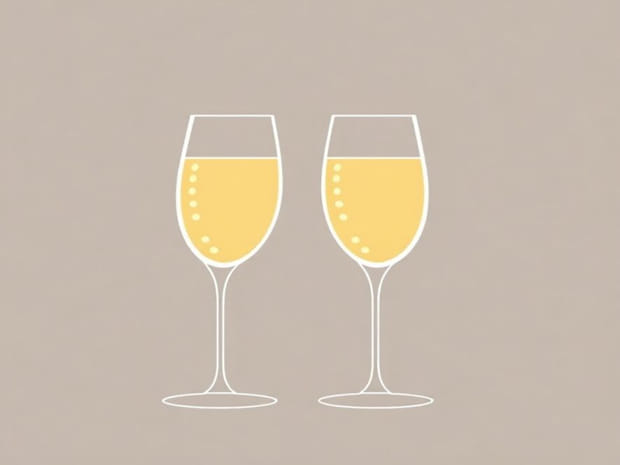
Champagne Glasses With Champagne
Champagne glasses with champagne evoke a sense of elegance, celebration, and sophistication that is recognized worldwide. From luxurious parties to intimate dinners, the image of sparkling bubbles rising gracefully in a slender glass is iconic. The visual appeal, aroma, and taste of champagne are enhanced by the type of glass used, making the choice of champagne glasses an important aspect of enjoying this fine beverage. Over the years, champagne glasses have evolved in design, reflecting both functional improvements and aesthetic preferences, ensuring that every sip delivers the perfect sensory experience.
Types of Champagne Glasses
Choosing the right champagne glass is essential to enhance the aroma, taste, and visual appeal of the sparkling wine. There are several types of champagne glasses, each designed to highlight specific qualities of the drink.
Flute Glass
The flute glass is the most commonly used type of champagne glass. Its tall, narrow shape preserves carbonation, allowing bubbles to rise slowly, creating a visually pleasing effect. The elongated design also concentrates the aromas, making each sip more flavorful. Flutes are ideal for toasts and celebratory occasions, as they emphasize the sparkling nature of champagne and provide an elegant presentation.
Tulip Glass
The tulip glass has a slightly wider bowl than the flute, tapering toward the rim. This shape balances the retention of bubbles with a broader surface area, enhancing the aroma and allowing the drinker to experience a fuller taste profile. Tulip glasses are favored by sommeliers for tasting events and professional settings where the complexity of champagne can be appreciated more fully.
Coupe Glass
The coupe glass, with its wide, shallow bowl, is often associated with vintage glamour and classic celebrations. While its shape does not retain carbonation as effectively as flutes or tulips, the coupe provides a luxurious and nostalgic aesthetic. This type of glass was extremely popular in the early 20th century and remains a symbol of timeless elegance at parties and weddings.
Enhancing the Champagne Experience
The type of glass used significantly affects the enjoyment of champagne. Factors such as bubble formation, aroma concentration, and temperature retention are influenced by glass shape, thickness, and size.
- Bubble FormationThe narrow design of flute glasses allows bubbles to travel longer distances before reaching the surface, enhancing visual appeal and prolonging carbonation.
- Aroma ConcentrationTulip glasses help funnel aromatic compounds toward the nose, allowing drinkers to enjoy the full bouquet of the champagne.
- Temperature RetentionThe long stem of most champagne glasses prevents heat transfer from hands to the drink, maintaining optimal serving temperature.
Serving Tips
To fully enjoy champagne, it is important to serve it correctly. Glasses should be clean and free of any residue that can interfere with bubbles. Champagne is best served chilled, typically between 45-50°F (7-10°C). Pouring slowly and at an angle helps preserve carbonation and prevents excessive foaming. Using the correct glass, whether a flute, tulip, or coupe, ensures that each pour captures the elegance and flavor of the beverage.
Pairing Champagne with Food
Champagne is versatile and pairs well with a variety of foods. The choice of champagne glass can influence how the pairing is experienced. For instance, flutes highlight the refreshing acidity of brut champagne, complementing seafood dishes, light appetizers, and salty snacks. Tulip glasses can enhance the complexity of vintage champagnes, making them suitable for richer foods like roasted poultry, creamy cheeses, and lightly spiced dishes. The aesthetic presentation of champagne in elegant glasses also elevates the dining experience, making every meal memorable.
Occasions for Champagne
Champagne glasses with champagne are synonymous with celebrations. They are commonly used during
- Weddings and engagements
- New Year’s Eve parties
- Corporate celebrations and achievements
- Graduations and milestone birthdays
- Formal dinners and elegant gatherings
Beyond traditional celebrations, champagne can also be enjoyed casually with friends or during quiet evenings at home, offering a sense of luxury and indulgence regardless of the occasion.
Maintaining Champagne Glasses
Proper care of champagne glasses ensures longevity and maintains their elegant appearance. Most glasses should be hand-washed with mild soap and warm water to avoid scratches or cloudiness. Drying with a soft cloth prevents water spots, and storing glasses upright helps maintain their shape. High-quality crystal glasses require extra care to preserve clarity and brilliance, making careful handling essential for an optimal champagne experience.
Glass Material and Design
Champagne glasses can be made from various materials, including glass, crystal, and modern synthetic alternatives. Crystal glasses are prized for their clarity, light refraction, and delicate appearance. Modern designs may incorporate unique stems, etched patterns, or colored glass to complement table settings and personal style. While aesthetic appeal is important, the functional design height, bowl width, and rim shape remains key in enhancing the aroma, taste, and visual enjoyment of champagne.
Champagne glasses with champagne are more than just vessels; they are an integral part of the sensory experience. The type of glass whether flute, tulip, or coupe affects bubble formation, aroma concentration, and temperature retention, enhancing both taste and presentation. Serving champagne correctly, pairing it with appropriate foods, and maintaining glasses properly contribute to a memorable experience, whether at formal events, intimate gatherings, or casual celebrations. The elegance and sophistication of champagne glasses elevate the enjoyment of champagne, making every sip a celebration of luxury, taste, and timeless tradition. Understanding the nuances of glass design, proper serving, and care ensures that champagne continues to be an iconic symbol of celebration and indulgence around the world.