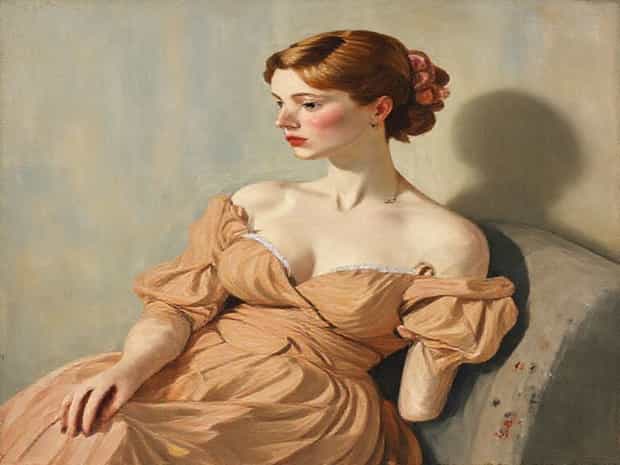
Mary Cassatt On View
Mary Cassatt, one of the most influential American painters of the 19th and early 20th centuries, continues to captivate audiences with her intimate and evocative portrayals of women and children. Exhibitions showcasing her work, often labeled Mary Cassatt On View,” provide a rare opportunity to explore the depth of her artistry, her role within the Impressionist movement, and her innovative techniques in painting and printmaking. Known for her keen observation, sensitive brushwork, and ability to capture tender domestic moments, Cassatt’s work remains highly relevant today, offering insights into both historical social contexts and the enduring human experiences of family, care, and femininity. Experiencing her pieces in person allows viewers to fully appreciate the nuances of color, light, and composition that define her legacy.
Early Life and Artistic Development
Mary Cassatt was born on May 22, 1844, in Allegheny City, Pennsylvania. She showed an early interest in art, pursuing formal training in Philadelphia and later in Paris, where she immersed herself in European art traditions. Exposure to French painting, particularly the works of the Impressionists, deeply influenced her style. Cassatt developed a unique approach that combined American sensibilities with European modernism, emphasizing personal perspective, everyday domestic scenes, and a focus on intimate human interactions. Her early training provided the technical skills necessary to innovate while maintaining a strong foundation in classical composition and form.
Impressionist Influence
Cassatt became closely associated with the French Impressionists, particularly Edgar Degas, who recognized her talent and encouraged her exploration of pastel, oil, and print mediums. Her work often depicted women in private or semi-public settings, exploring themes of motherhood, caregiving, and leisure. Unlike some of her contemporaries who favored urban landscapes or historical subjects, Cassatt focused on the personal and the immediate, creating works that highlighted the emotional subtleties of her subjects. This approach solidified her reputation as a key figure within the Impressionist circle, bridging American and European artistic traditions.
Signature Themes and Techniques
Mary Cassatt’s work is characterized by distinctive themes and technical approaches that make her easily recognizable. Her subject matter often revolves around women and children engaged in daily activities, emphasizing the tender, nuanced, and often overlooked moments of life. Her innovative use of color, perspective, and composition allowed her to convey intimacy and depth without resorting to grandiose narrative structures.
Mediums and Artistic Innovation
- Oil PaintingsCassatt’s oil paintings showcase her ability to manipulate color and light to convey warmth and realism.
- PastelsShe frequently used pastels to achieve softness and subtlety, capturing fleeting moments with remarkable immediacy.
- PrintmakingCassatt excelled in etching and drypoint, contributing to the revival of printmaking techniques in the late 19th century.
Her mastery of multiple mediums highlights her versatility and commitment to exploring new ways of representing the human experience.
Exhibition and Public Recognition
The phrase “Mary Cassatt On View” often refers to curated exhibitions that bring her work to contemporary audiences, whether in major art institutions or traveling shows. These exhibitions aim to contextualize her contributions within the broader Impressionist movement and highlight her unique perspective as a woman artist in a predominantly male-dominated art world. Visitors have the opportunity to see her most celebrated works, such as depictions of mothers reading to children, women at leisure, and candid domestic scenes, providing an immersive experience into her artistic universe.
Notable Exhibitions
Several major museums have hosted Mary Cassatt exhibitions, drawing international attention. Key elements of these exhibitions include
- Chronological displays that trace her artistic development from early training to mature works
- Thematic groupings that emphasize recurring motifs, such as motherhood, friendship, and social observation
- Inclusion of both paintings and prints to demonstrate her versatility and experimentation with different techniques
- Contextual information highlighting her influence on American and European art, as well as her collaboration with fellow Impressionists
These curated presentations provide visitors with a comprehensive understanding of her style, themes, and contributions to art history.
Cultural and Historical Impact
Mary Cassatt’s work provides a lens into the societal and cultural conditions of her time, particularly regarding the roles and experiences of women. By depicting everyday domestic life with empathy and realism, she challenged prevailing notions of what constituted worthy subjects for fine art. Her focus on women’s experiences, intimate relationships, and private spaces offered a counterpoint to the grand historical narratives favored by many male artists of her era. Today, her work continues to resonate, inspiring discussions on gender, family, and artistic representation.
Influence on Later Generations
Cassatt’s approach to subject matter and technique influenced both American and European artists in subsequent generations. Her emphasis on personal perspective, observation, and emotional nuance informed the work of modern realist and figurative painters. Moreover, her success as a female artist paved the way for greater recognition of women in professional art circles, demonstrating the importance of perseverance, skill, and vision in overcoming societal barriers.
Visiting Mary Cassatt Exhibitions
Experiencing “Mary Cassatt On View” in person allows audiences to appreciate the texture, color, and composition of her work in ways that reproductions cannot fully capture. Museums often provide educational materials, guided tours, and multimedia presentations to deepen understanding of her techniques and historical context. Visitors can observe the delicate brushstrokes, layering of pastels, and subtle details that reveal Cassatt’s meticulous attention to human emotion and daily life. These exhibitions are particularly valuable for students, art historians, and casual art enthusiasts seeking to connect more deeply with Impressionist art.
Tips for Appreciating Her Work
- Focus on the interaction between figures, noting gestures, expressions, and spatial relationships
- Observe her use of light and color to convey mood and atmosphere
- Compare paintings and prints to understand her adaptability across mediums
- Consider the historical context, including gender roles and societal expectations, which influenced her subject matter
Mary Cassatt remains an enduring figure in the world of art, celebrated for her sensitivity, technical mastery, and innovative approach to depicting women and children. “Mary Cassatt On View” exhibitions offer invaluable opportunities to experience her work firsthand, highlighting her contributions to the Impressionist movement and her role as a pioneering woman artist. By exploring her paintings, prints, and pastels, audiences gain a deeper appreciation for her unique vision, her engagement with daily life, and her lasting influence on art history. Her work continues to inspire, inviting viewers to reflect on intimacy, human connection, and the beauty of ordinary moments captured with extraordinary skill.